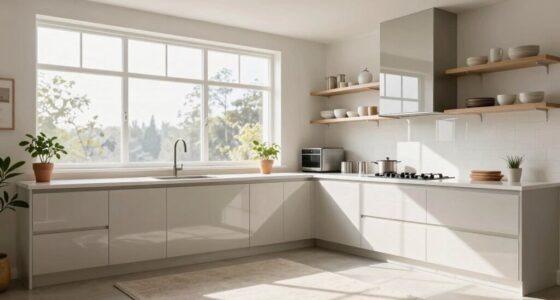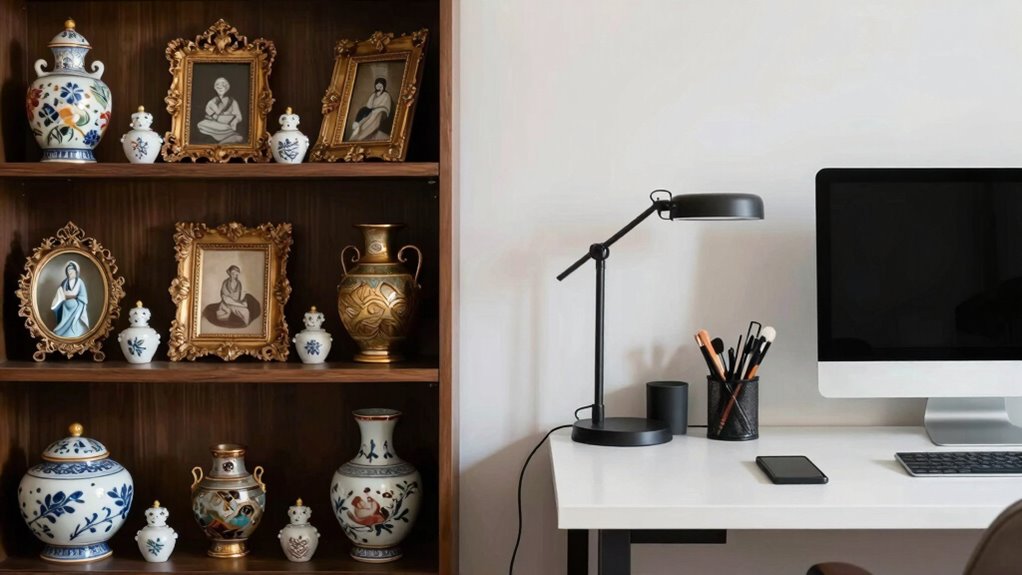

Decorative order focuses on creating visual harmony and aesthetic appeal, prioritizing symmetry, balance, and curated accessories to make spaces pleasing. Functional order, on the other hand, emphasizes usability and efficiency by considering layout, reachability, and storage for practical needs. While decorative design aims for beauty and mood, functional design guarantees comfort and organization. Knowing the difference helps you balance style with utility, and if you keep exploring, you’ll discover how to blend both seamlessly.

Get decor and gifts delivered free — and shop member deals
- Fast, free delivery on millions of items
- Access to Prime Big Deal Days deals on October 6–7
- Prime Video, Amazon Music and more included
Key Takeaways
- Decorative order focuses on visual harmony, symmetry, and aesthetic appeal, while functional order emphasizes usability, efficiency, and practicality.
- Material choices in decorative order prioritize style and cohesion; functional order favors durability and ease of maintenance.
- Decorative arrangements enhance overall appearance and ambiance; functional arrangements optimize space, accessibility, and workflow.
- Both approaches may incorporate principles like balance and ergonomics but serve different primary goals.
- Combining decorative and functional order creates spaces that are both beautiful and highly practical.
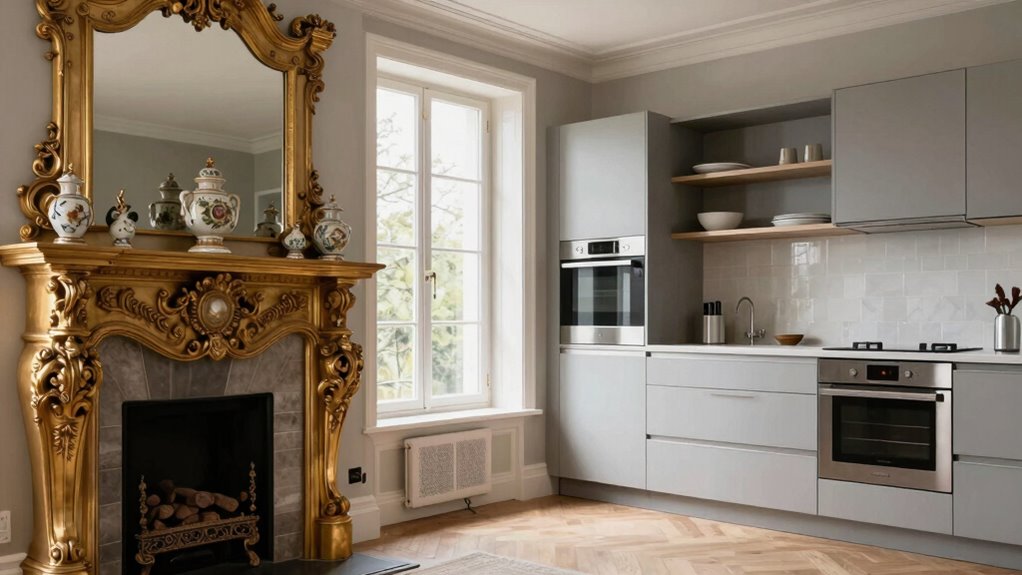
Have you ever wondered whether to prioritize aesthetics or practicality when organizing your space? It’s a common dilemma, and understanding the difference between decorative order and functional order can help you make better choices. Decorative order focuses on creating visual harmony; it’s about arranging elements in a way that’s pleasing to the eye. When you emphasize visual harmony, you pay close attention to material selection, colors, textures, and overall style. Every piece is chosen not just for its purpose but for how well it complements the entire space. This approach often involves symmetry, balance, and carefully curated accessories that evoke a mood or theme. It’s about making your environment feel cohesive and inviting, where every detail contributes to the aesthetic appeal.
On the other hand, functional order centers on usability and efficiency. Your primary goal is to make your space serve your needs without unnecessary clutter or effort. When you prioritize practicality, you ask yourself questions like: Is this layout easy to navigate? Are frequently used items within reach? Is storage optimized? Material selection in this context emphasizes durability and convenience. You might choose furniture that’s easy to clean or storage solutions that maximize space, even if they don’t perfectly align with the room’s style. The focus here is less on how things look and more on how well they work. You might sacrifice some visual harmony to ensure that your space is comfortable, accessible, and organized for everyday life. Additionally, understanding biodiversity principles can help you select materials and plants that enhance both the beauty and sustainability of your environment. Incorporating ergonomic principles can further optimize your space for comfort and health. Incorporating storage solutions that blend style with practicality can also help achieve a balanced design. Recognizing the importance of material selection can help you choose durable and sustainable options that support both form and function. Knowing how to balance these aspects can lead to a space that is both aesthetically pleasing and highly functional, maximizing your environment’s potential.
Balancing these two approaches is often the key to a well-designed space. You can incorporate decorative order by selecting materials and colors that create a pleasing atmosphere, while still ensuring that your layout supports practical needs. For example, a beautifully styled kitchen can still be highly functional if the layout allows for smooth workflow and ample storage. When you understand the difference, you’ll be better equipped to decide what to prioritize depending on your goals. If you’re creating a relaxing retreat, visual harmony might take precedence. If you’re designing a busy office, practicality should come first. Ultimately, blending these elements allows you to craft a space that’s both beautiful and highly functional, tailored perfectly to your lifestyle.
decorative storage baskets for living room
As an affiliate, we earn on qualifying purchases.
As an affiliate, we earn on qualifying purchases.
Frequently Asked Questions
How Do I Identify Decorative Versus Functional Elements in a Space?
You can identify decorative versus functional elements by observing their roles in creating aesthetic harmony and visual balance. Functional elements prioritize practicality and serve a specific purpose, like furniture or lighting, often with straightforward designs. Decorative elements focus on enhancing visual appeal, such as artwork or ornate moldings. Look for pieces that stand out for beauty rather than utility; these are your decorative touches, while functional items support everyday use.
Can Decorative Order Influence the Functionality of a Room?
Like they say, beauty is in the eye of the beholder, and decorative order can influence your room’s functionality. When you prioritize aesthetic harmony and visual balance, decorative elements become more than just eye candy; they can guide movement, highlight focal points, and even improve flow. Thoughtfully integrated decor enhances usability, proving that style and function can coexist, making your space both beautiful and practical.
Are There Specific Design Principles for Combining Both Orders?
Yes, there are specific design principles for combining decorative and functional orders. You should focus on achieving aesthetic harmony by blending elements seamlessly, ensuring that decorative features enhance the room’s visual appeal without overpowering practical elements. Maintain visual balance by distributing decorative details evenly and aligning them with functional components. This approach helps create a cohesive space where beauty and utility coexist, making the room both attractive and functional.
How Does Cultural Context Affect Decorative and Functional Distinctions?
Cultural context deeply influences how you perceive decorative and functional distinctions. Some cultures assign strong aesthetic significance to decorative elements, viewing them as symbols of cultural symbolism and identity, while others prioritize functionality. This varies because cultural symbolism shapes your understanding of beauty and purpose. As a result, decorative features may serve essential aesthetic roles or functional needs, depending on the cultural lens through which you interpret design, blending beauty with cultural meaning.
What Are Common Mistakes in Mixing Decorative and Functional Elements?
You often make the mistake of blending decorative and functional elements without considering artistic symbolism or historical influences. This can result in a cluttered space that confuses purpose with aesthetics. To avoid this, prioritize clarity by ensuring functional elements serve their purpose while decorative items enhance the overall design. Recognize how historical influences shape these choices, helping you create a harmonious environment where art and function coexist seamlessly.
Conclusion
Think of decorative order as a vibrant tapestry, weaving beauty and personality into a space, while functional order is your steady compass, guiding every step with purpose. Both shape your environment—one with color and flair, the other with practicality and ease. When you blend them thoughtfully, your space transforms into a harmonious garden, bursting with life yet grounded in order. Embrace their dance, and your surroundings will become a symphony of style and function.
Fall Picks
fall essentials
As an affiliate, we earn on qualifying purchases.