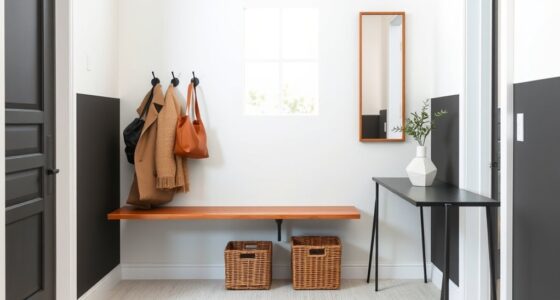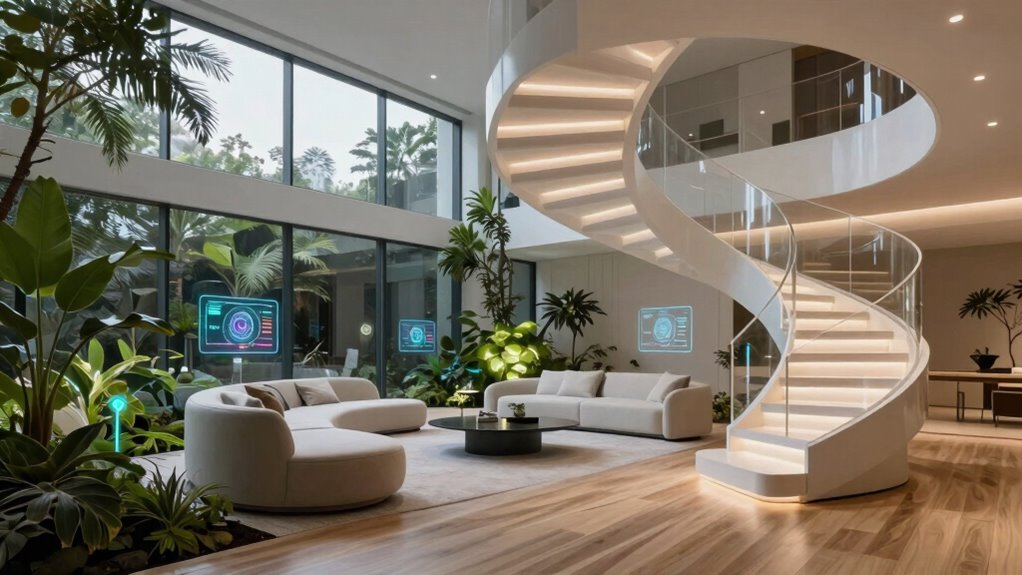

In 2026, home flow is about creating a seamless, intuitive environment where automation naturally adapts to your habits and preferences. Think of your home as a system that responds effortlessly—adjusting lighting, temperature, and devices automatically—without overwhelming you. The focus is on technology that is unobtrusive, energy-efficient, and enhances your daily routines smoothly. If you want to understand how these smart living spaces work harmoniously, keep exploring how this vision is becoming a reality.

Get decor and gifts delivered free with Prime
- Fast, free delivery on millions of items
- Prime Video, Amazon Music and more included
- Member-only deals all year
Key Takeaways
- Prioritize seamless automation that adapts naturally to daily routines, enhancing convenience without intrusion.
- Focus on unobtrusive technology that blends seamlessly into the living environment, supporting effortless living.
- Emphasize energy-efficient systems that intelligently conserve resources based on occupancy and habits.
- Design home flow as a dynamic, responsive system that intuitively adjusts to lifestyle changes.
- Leverage adaptive, intelligent technologies to create a personalized, harmonious, and sustainable living experience.
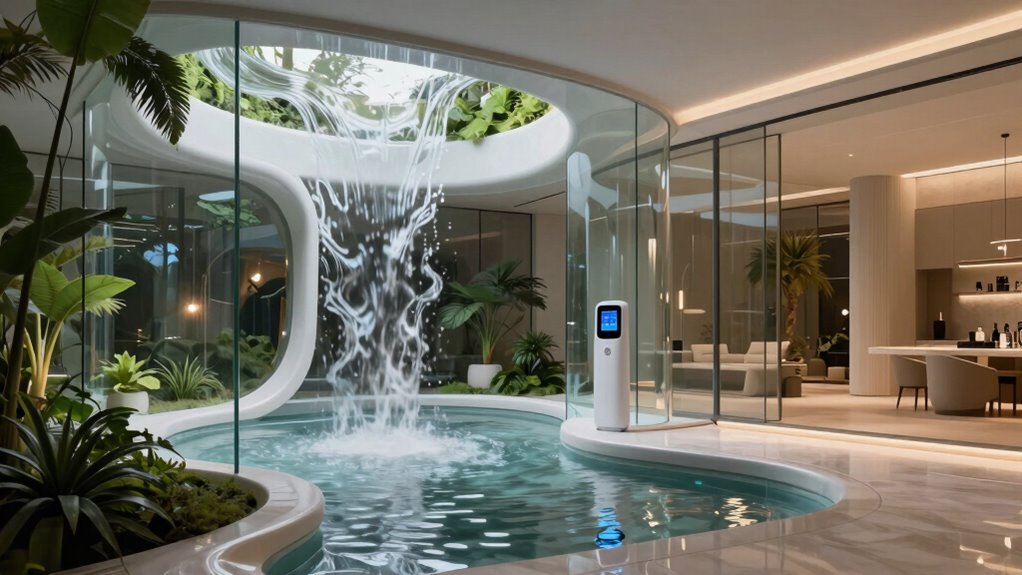
As smart home technology becomes more integrated into daily life, understanding home flow in 2026 means focusing on seamless, intuitive automation that enhances convenience without overwhelming you. Your home should work smoothly, responding to your habits and preferences without requiring constant input. This approach emphasizes creating a natural rhythm within your living space, where devices and systems communicate effortlessly to support your routines. Instead of manual switches or complex controls, you’ll rely on smart home systems that anticipate your needs, adjusting lighting, climate, and appliances automatically.
Home automation in 2026 seamlessly adapts to your habits, creating a natural, effortless living experience.
This vision of home flow is rooted in the idea that technology should serve you unobtrusively. For instance, your smart home can learn your daily schedule, lowering blinds or adjusting the thermostat before you wake up, or turning off lights after you leave a room. These small, intuitive adjustments contribute to a sense of harmony within your space, making it feel more comfortable and less cluttered with gadgets. The key is that automation becomes second nature, integrated so seamlessly that you only notice its benefits, not the mechanisms behind them.
Energy efficiency plays a vital role in this concept. When your smart home recognizes patterns and adjusts accordingly, it conserves energy without sacrificing comfort. For example, your system can identify when you’re away and power down unnecessary devices or reduce heating and cooling to save energy. Such intelligent management not only lowers your utility bills but also supports broader sustainability goals, making your home more eco-friendly. You’re actively participating in energy conservation, but without the hassle of manually switching devices or monitoring usage.
In 2026, the most useful way to think about home flow is as a fluid, dynamic system that adapts to your lifestyle effortlessly. It’s about designing a living environment where technology fades into the background, working quietly in the background to optimize comfort and efficiency. Smart home devices become extensions of yourself, responding in real time to your habits and preferences, creating a space that feels both personalized and effortless. Through this lens, home flow isn’t just about automation—it’s about crafting a living experience that’s intuitive, energy-conscious, and perfectly attuned to your daily life. Understanding home automation systems and their capabilities will be key to achieving this seamless integration. Additionally, embracing adaptive technology will further enhance how your home responds naturally to your routines.
As an affiliate, we earn on qualifying purchases.
Frequently Asked Questions
How Will Smart Home Technology Influence Future Home Flow?
Smart home technology will greatly influence your future home flow through voice control and automation integration. You’ll effortlessly manage lighting, climate, and security with simple voice commands, creating seamless shifts between spaces. Automation will anticipate your needs, adjusting settings automatically for comfort and efficiency. This integration makes your home more intuitive, reducing manual effort and enhancing convenience, ultimately creating a smoother, more connected living experience that adapts effortlessly to your daily routines.
What Role Does Energy Efficiency Play in Home Flow Design?
Energy efficiency enhances your home flow by prioritizing precise positioning and passive design principles. You’ll focus on smart insulation techniques and energy conservation strategies that optimize airflow, reduce waste, and maintain comfort. Efficient layouts minimize energy loss, making your home more sustainable and cost-effective. By seamlessly integrating insulation and conservation tactics, you create a cozy, conscious space that’s eco-friendly and economical, ensuring future-proofed functionality and comfort.
How Can Home Flow Adapt for Aging Populations?
To adapt home flow for aging populations, prioritize elderly accessibility and aging-friendly layouts. You can do this by installing wider doorways, eliminating thresholds, and adding grab bars in bathrooms. Design open, clutter-free spaces that promote easy movement and reduce fall risks. Incorporating single-story layouts and smart home technology also helps seniors navigate comfortably. These adjustments make certain your home remains functional and safe, supporting independence as you age.
Will Remote Work Trends Change Home Flow Priorities?
You’ll find remote work trends shift home flow priorities substantially, with 74% of workers wanting dedicated office spaces. This change influences neighborhood dynamics, prompting demand for quiet, functional areas. Interior layout becomes essential, emphasizing flexible spaces that adapt to work and leisure. You’ll prioritize a well-designed home that balances productivity and comfort, shaping future home flow to support evolving remote work needs and enhancing your overall living experience.
How Does Climate Change Impact Home Flow Planning?
Climate change affects your home flow planning by emphasizing the importance of indoor air quality and water management. You should prioritize ventilation systems that improve air quality and incorporate water-efficient fixtures to handle changing weather patterns. These adjustments help reduce environmental impacts and guarantee comfort and safety. By focusing on these aspects, you adapt your home to withstand climate-related challenges while maintaining a healthy, sustainable living environment.
Conclusion
In 2026, thinking of home flow as a dynamic, personalized system helps you stay adaptable. Imagine a family adjusting their home’s energy flow with smart technology during a heatwave, keeping everyone comfortable without wasting resources. By viewing home flow as a flexible and responsive process, you can better manage your space, comfort, and efficiency. Embrace this mindset, and you’ll turn your home into a seamless, intuitive environment that evolves with your needs.
Columbus Day / Indigenous Peoples' Day Picks
long weekend sales
As an affiliate, we earn on qualifying purchases.