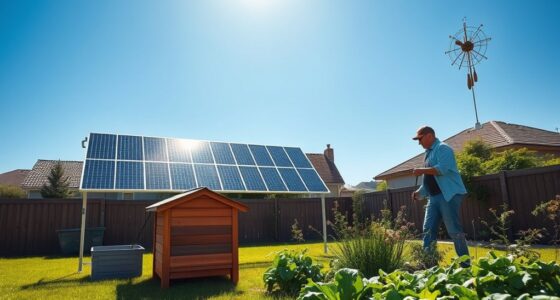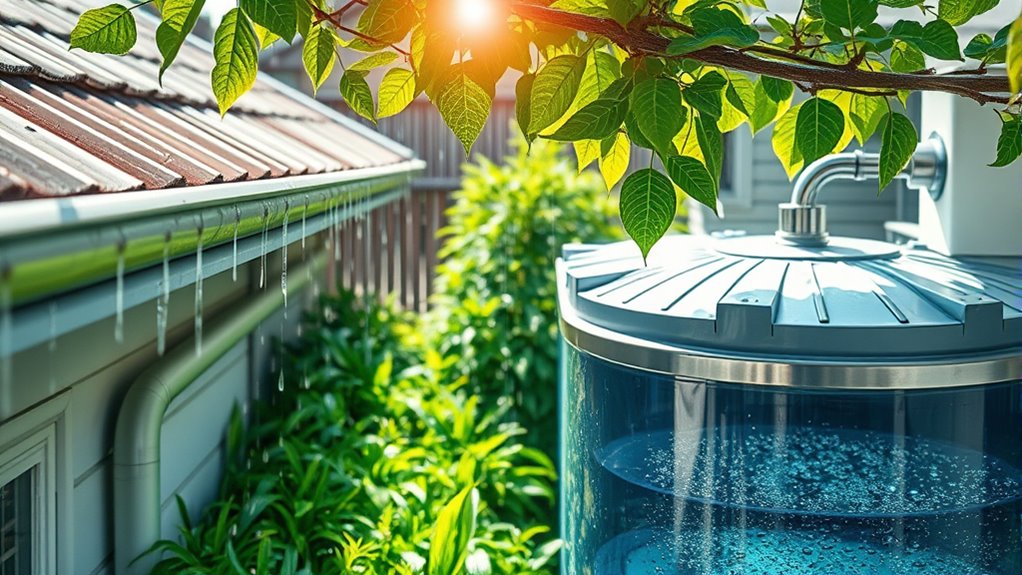

A rainwater harvesting system lets you collect, filter, and store rainwater for household use, reducing your dependence on municipal supplies and lowering costs. By installing gutters, first flush diverters, and storage tanks, you can guarantee clean water for activities like irrigation, toilets, and even drinking with proper treatment. Proper placement, filtration, and maintenance are key to keeping your system efficient and long-lasting. Keep going for more tips to optimize your rainwater collection setup.
Key Takeaways
- Proper filtration and first flush diverters ensure safe, clean water for household use.
- Select appropriate tank size and durable materials to suit household needs and local climate.
- Position tanks in shaded, elevated locations to prevent algae growth and improve water pressure.
- Regular maintenance and inspections extend system lifespan and keep water quality high.
- Incorporate overflow outlets and secure lids to prevent contamination and facilitate easy cleaning.
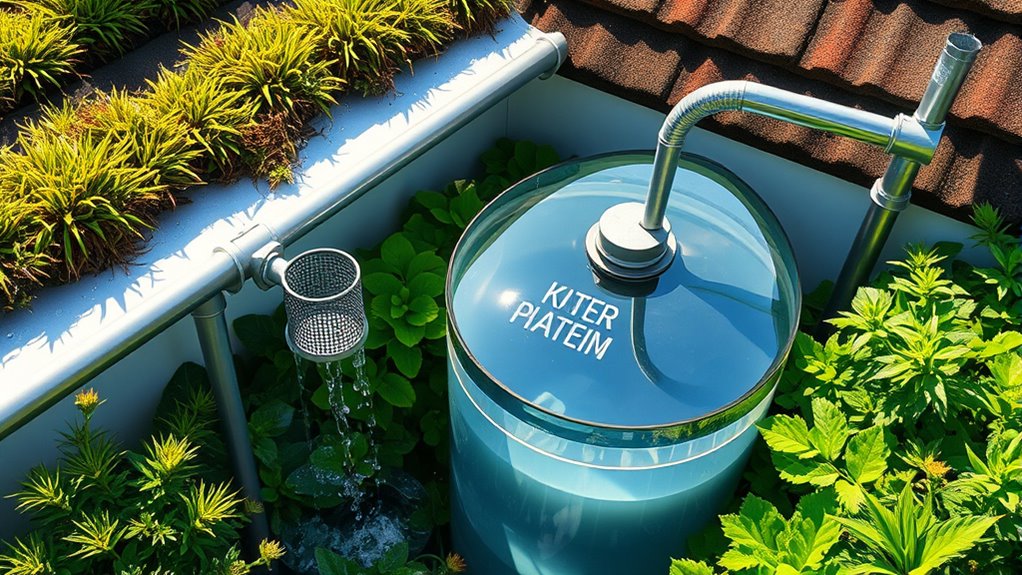
Have you ever considered how rainwater harvesting can benefit your home or community? By capturing and utilizing rainwater, you can reduce your reliance on municipal water supplies, lower your water bills, and contribute to environmental conservation. One of the key factors in making a rainwater harvesting system effective is guaranteeing proper rainwater filtration. This process removes debris, leaves, dirt, and other contaminants from the water before it reaches your storage tank. Good rainwater filtration is essential because it enhances water quality, making it safer for household use, whether for irrigation, flushing toilets, or even drinking with proper treatment. You’ll want to install first flush diverters and filters at the entry points to your system, which helps discard the initial dirty runoff and keeps your stored water cleaner. Additionally, understanding the cost‑of‑ownership involved in maintenance and upgrades can help you plan for long-term system sustainability.
Another imperative aspect that directly impacts the efficiency and longevity of your rainwater harvesting system is storage tank design. When selecting or designing your storage tank, consider its size, material, and placement carefully. A well-designed storage tank ensures you maximize water collection during rainy periods and have a sufficient supply during dry spells. The size should match your household water needs and local rainfall patterns, so you don’t waste space or miss out on collecting enough water. Materials like polyethylene, concrete, or stainless steel are popular choices because they resist corrosion and are easy to maintain. Proper tank design also includes features like easy access for cleaning, overflow outlets to prevent flooding, and insulation if you’re in a climate with temperature fluctuations.
Placement is equally important. Position your tank in a shaded, stable location to prevent algae growth and structural stress. Elevating the tank slightly can improve water pressure for household use, and installing a secure lid prevents debris, animals, and insects from contaminating the stored water. Remember, a good storage tank design isn’t just about capacity; it’s about creating a system that’s durable, easy to maintain, and efficient.
Frequently Asked Questions
How Much Does a Typical Rainwater Harvesting System Cost to Install?
A typical rainwater harvesting system costs between $1,000 and $10,000 to install, depending on size and complexity. You should do a cost analysis to compare options and stay within your budget considerations. Factors like tank capacity, pump quality, and filtration systems influence the overall expense. Planning ahead helps you find the best system that meets your household needs without overspending.
What Are the Maintenance Requirements for Rainwater Harvesting Systems?
Did you know that regular maintenance can extend your rainwater harvesting system’s lifespan by up to 50%? You’ll need to check and replace filters regularly to prevent debris buildup and guarantee water quality. Additionally, schedule storage tank cleaning at least once a year to remove sediments and algae. Keep an eye on all components, and your system will run smoothly, providing safe water for your household needs.
Can Rainwater Be Used Safely for Drinking Without Treatment?
You can’t safely drink rainwater without proper water purification because it may contain contaminants that threaten your health safety. To verify it’s safe, you need to treat the water by filtering and disinfecting it, such as boiling or using UV purifiers. These steps remove bacteria, viruses, and pollutants, making the rainwater suitable for drinking and protecting your health. Proper treatment is essential for safe household use.
How Much Rainfall Is Needed to Make Harvesting Effective?
Imagine a gentle river flowing into your system, symbolizing consistent rainfall. You’ll find that about 1 to 2 inches of rain per week boosts water collection efficiency, though rainfall variability can impact this. To make harvesting effective, aim for steady, moderate rainfall, ensuring your system captures enough water. When rainfall is sparse or uneven, your collection might struggle, like a river running dry before reaching your home.
Are There Legal Restrictions on Installing Rainwater Harvesting Systems?
You should verify local laws before installing rainwater harvesting systems, as legal restrictions vary by area. Some regions have water rights laws that regulate how you can collect and use rainwater. You might need permits or face restrictions, especially if collecting rainwater impacts existing water rights or water supply systems. Always consult local authorities or legal experts to ensure you’re compliant and avoid potential fines or issues.
Conclusion
So, why rely on those overpriced municipal taps when you can become a rainwater tycoon? With a simple harvesting system, you’re not just saving money—you’re also saving the planet, one droplet at a time. Who knew that catching rain could turn you into an eco-hero? So go ahead, embrace the downpour, and prove that you’re smarter than the water companies—after all, Mother Nature’s free, and she’s just waiting for you to take advantage.