
TL;DR

Get decor and gifts delivered free with Prime
- Fast, free delivery on millions of items
- Prime Video, Amazon Music and more included
- Member-only deals all year
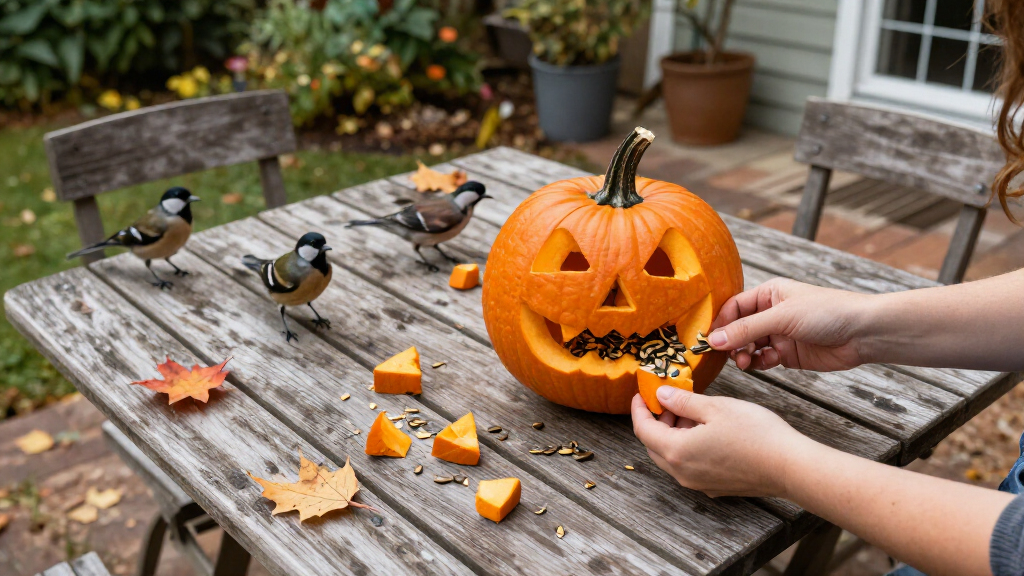
An Ideal Home report says leftover Halloween pumpkin can be offered to garden birds, but only if it is fresh, free of coatings and served in a hanging feeder. The advice is intended to keep the food out of reach of hedgehogs, for which pumpkin can cause digestive problems.
Gardeners can reuse fresh leftover Halloween pumpkin as supplementary food for birds, but should serve it in a hanging bird feeder rather than on the ground, according to advice published by Ideal Home. Bird specialist James Ewens says the placement helps keep pumpkin away from hedgehogs, which may eat it despite the food posing a digestive risk to them.
The report recommends offering pumpkin only when it remains fresh and free of mould. Ewens, identified as a bird specialist at Green Feathers, warns that mouldy pumpkin can be dangerous or fatal to birds. He also advises removing paint and other added materials, and washing the pumpkin with warm water without soap or chemicals to remove waxes or coatings.
For the seeds, the report says to scoop them out, rinse away stringy pulp and offer them fresh or dry them for later. Seeds should not be salted, oiled, sugared or spiced; if roasted for storage, they should be prepared without additives. Larger birds can manage whole seeds, while chopping them may make the pieces easier for smaller birds, including tits and finches, to eat.
Pumpkin flesh can also be offered, but the report describes seeds as particularly useful because of their protein and fat content. Ewens says the flesh supplies water and fibre as well as nutrients. The report frames pumpkin as a supplement when natural food is scarce, not as a replacement for other suitable bird food.
Keeping Pumpkin Safe for Wildlife
The advice matters because the same food can affect different garden animals in different ways. A pumpkin left on the ground may be accessible to hedgehogs as well as birds. Ewens says hedgehogs are primarily insect-eaters and that pumpkin can upset their digestion, potentially contributing to dehydration at a time when they need to build fat reserves before hibernation.
Using a hanging feeder is the report’s practical safeguard: it gives birds access while reducing the chance that hedgehogs will reach the food. For people looking to avoid discarding an edible, uncoated pumpkin, the method offers a reuse option, provided they check it for spoilage and avoid seasoning or other additives.
Products Worth Considering

Shark PowerDetect Corded Stick Vacuum, Self-Cleaning (Eggplant, HZ4002)

Levoit Core 600S-P Smart Air Purifier for Large Rooms

LEVOIT Vital 200S-P Smart Air Purifier for Large Rooms
As an affiliate, we earn on qualifying purchases.
After Halloween, Check Before Feeding
The report addresses what to do with pumpkins after carving, when they may have been left outdoors or handled with decorations and coatings. Its guidance is conditional: not every carved pumpkin is suitable for feeding. A pumpkin that has begun to mould, or one with paint or other materials that cannot be removed, should not be placed in a bird feeder.
Ewens recommends cat or dog food containing meat, or specialist hedgehog food served with a shallow dish of water, as alternatives for people who want to support hedgehogs. That recommendation is attributed to him in the report. The bird-feeding advice likewise focuses on clean, plain pumpkin and seeds, with the feeder positioned away from ground access.
“Pumpkins can upset their digestion, which leads to dehydration at exactly the time of year they need to be building fat reserves before hibernation.”
— James Ewens, bird specialist at Green Feathers, as quoted by Ideal Home
Limits of the Feeding Advice
The report does not specify portion sizes, how often pumpkin should be offered, or how long fresh pumpkin can safely remain in a feeder. It also does not present research findings or a comparison of pumpkin with other bird foods; the nutritional and wildlife guidance is attributed to Ewens. Readers should treat it as practical expert advice, not a claim that pumpkin is suitable for every bird or feeder.
Whether a particular pumpkin is safe depends on its condition and any decorations, coatings or seasonings used. The report advises against mouldy or treated pumpkin but does not give a method for assessing contamination that cannot be seen or removed.
Check the Feeder and Pumpkin
Before adding leftovers, inspect the pumpkin for mould and remove any paint, wax or other unnatural material. Wash it with warm water only, prepare plain seeds or chopped pumpkin, and place the food in a hanging feeder out of hedgehogs’ reach. Remove any pumpkin that starts to spoil rather than leaving it available to birds.
The report offers no specific schedule for replacing pumpkin or a forecast of how much birds will eat. Gardeners choosing to follow the advice will need to monitor the food’s condition and use other appropriate bird foods when pumpkin is no longer fresh.
Key Questions
Can birds eat leftover Halloween pumpkin?
According to the Ideal Home report, fresh pumpkin can be offered as supplementary food. It should be free of mould, paint, coatings and seasonings.
Why should pumpkin go in a hanging feeder?
The report recommends a hanging feeder to keep the pumpkin away from hedgehogs, which may eat it but can suffer digestive problems.
Can pumpkin seeds be salted or roasted?
Seeds should not be salted, oiled, sugared or spiced. The report says they can be roasted for later use only without additives.
What should I do with mouldy pumpkin?
Do not offer it to birds. Ewens warns in the report that mouldy pumpkin can be dangerous or fatal to them.
What food does the report suggest for hedgehogs?
Ewens recommends meaty cat or dog food, or specialist hedgehog food, with a shallow dish of water.
Source: idealhome.co.uk