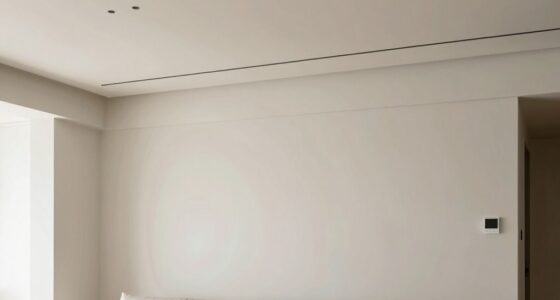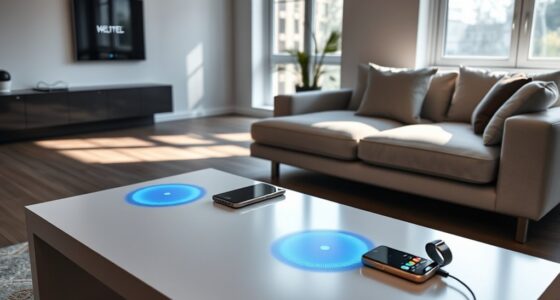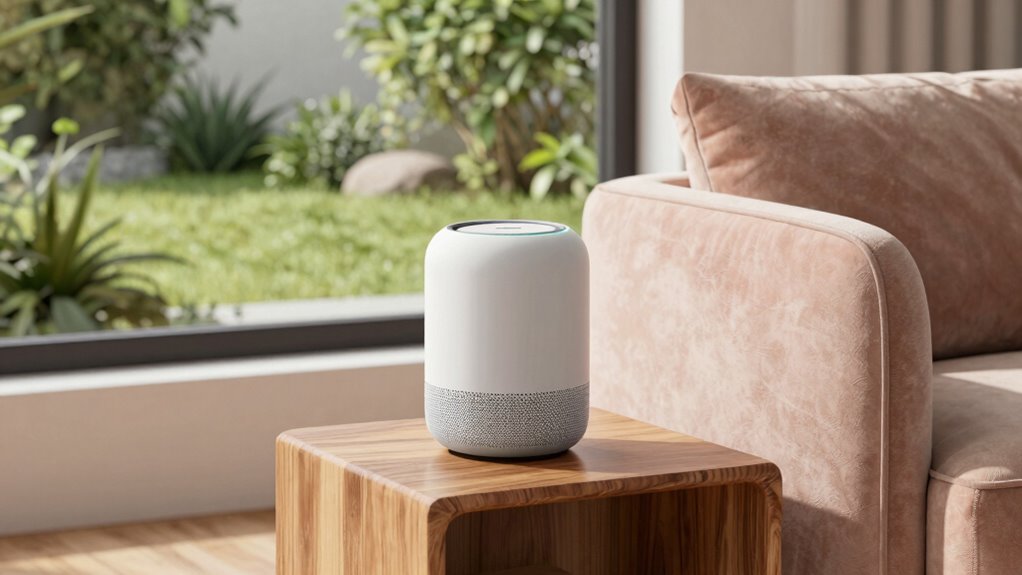

The better way to combine smart tech and soft design is to seamlessly integrate devices into your space, making them feel natural and unobtrusive. Choose sleek, minimalist gadgets that match your décor and hide controls or tech features within walls or furniture. Prioritize user experience by placing technology thoughtfully, supporting both comfort and functionality. When done right, your home becomes inviting, intuitive, and visually harmonious. Want to learn how to achieve this balance effortlessly? Keep exploring classic strategies and clever tips.

Get decor and gifts delivered free with Prime
- Fast, free delivery on millions of items
- Prime Video, Amazon Music and more included
- Member-only deals all year
Key Takeaways
- Prioritize seamless integration of smart technology that complements soft design elements without overwhelming the space.
- Choose sleek, minimalist devices that match décor and are discreetly placed to maintain visual harmony.
- Conceal or embed tech features within architectural elements to reduce clutter and enhance aesthetic continuity.
- Focus on user-friendly systems that simplify routines and foster intuitive interaction within the environment.
- Design with sustainability in mind, selecting eco-friendly tech solutions that support both comfort and environmental goals.
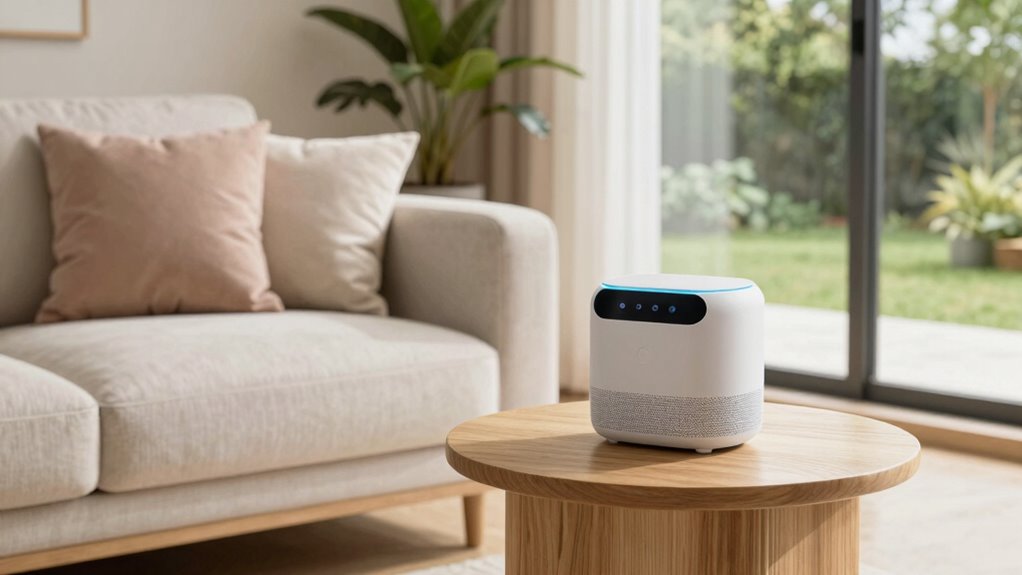
Blending smart technology with soft design isn’t just about adding gadgets—it’s about creating spaces that feel intuitive and welcoming. When you focus on user experience, you prioritize how easily and naturally you can interact with your environment. Instead of overwhelming your space with technology that feels cold or out of place, you aim for a seamless integration where every device enhances the atmosphere. This means choosing smart tech that simplifies daily routines—such as voice-controlled lighting, automated climate systems, or discreet security cameras—so they become part of your environment rather than distractions.
Smart tech that seamlessly integrates enhances comfort and creates an intuitive, welcoming home environment.
Aesthetic harmony is at the core of this approach. You want your space to breathe with a consistent style, where tech elements don’t clash with your soft design choices. Think of sleek, minimalist gadgets that blend into your décor, or hidden speakers that deliver quality sound without disrupting the visual flow. The goal is for technology to complement your furniture, textiles, and color palette, rather than compete with them. By carefully selecting devices and integrating them into your design, you create a cohesive look that feels intentional and soothing. Achieving this harmony often involves understanding the importance of aesthetic principles in creating a balanced space.
To achieve this balance, you need to think about placement and concealment. For instance, smart switches can replace traditional wall controls and be integrated into your wall design, maintaining clean lines. Smart blinds or curtains can be hidden within window frames, operated quietly and seamlessly. When you prioritize aesthetic harmony, technology becomes almost invisible—serving its purpose without drawing undue attention. This approach not only enhances the visual appeal but also boosts comfort, as you’re less likely to feel overwhelmed or distracted by tech clutter. Incorporating user experience into your design ensures that your smart home functions effortlessly and enhances daily living. Additionally, considering sustainable design principles can help ensure your integration supports eco-friendly living. Understanding the importance of design continuity can further help in creating a unified look that feels natural and complete. Moreover, paying attention to technology placement helps optimize both function and aesthetics, ensuring your space remains balanced and inviting.
Ultimately, the better way to combine smart tech and soft design is about thoughtful integration. You’re creating a space that’s not only functional but also emotionally inviting. When technology feels like a natural extension of your décor, your home becomes a sanctuary where innovation and comfort coexist beautifully. By focusing on user experience and aesthetic harmony, you ensure that your smart home feels less like a gadget showcase and more like a warm, intuitive retreat.
sleek minimalist smart home devices
As an affiliate, we earn on qualifying purchases.
As an affiliate, we earn on qualifying purchases.
Frequently Asked Questions
How Can I Personalize Smart Tech to Match Soft Design Aesthetics?
You can personalize smart tech to match soft design aesthetics by choosing devices with sleek, minimalist lines and neutral colors that blend seamlessly into your space. Opt for customizable interfaces or covers to match your color palette, and integrate smart tech discreetly behind soft textiles or furniture. This creates aesthetic harmony, making your smart devices feel like a natural part of your home decor while maintaining functionality.
What Are the Best Materials for Integrating Smart Tech Seamlessly?
You should opt for materials that offer high durability and blend seamlessly with your soft design aesthetic. For a sleek, integrated look, consider matte plastics, tempered glass, or brushed aluminum—they’re sturdy and visually cohesive. These materials resist wear and tear while maintaining a smooth appearance, ensuring your smart tech stays functional and stylish over time. Prioritizing durability and aesthetic cohesion helps your smart devices complement your soft design effortlessly.
How Do I Ensure Privacy With Combined Smart and Soft Design?
You prioritize privacy by embedding smart tech into soft, inviting designs that conceal sensors and devices, reducing privacy concerns. Use encrypted data security measures and secure networks to protect personal information. Regularly update your devices’ firmware, and choose smart products with strong privacy policies. By blending discreet tech with warm, soft materials, you create a safe space that balances innovation and privacy, ensuring you feel secure while enjoying smart comfort.
Are There Budget-Friendly Options for Smart Tech Integration?
Yes, there are budget options for smart tech integration. You can start with cost-effective solutions like smart plugs, affordable security cameras, or voice assistants that fit most budgets. Look for sales or refurbished devices to save money, and prioritize devices that offer multiple functions to maximize value. By choosing the right budget options, you can enhance your space without overspending, making smart tech accessible and practical.
How Can I Future-Proof a Space With Combined Smart and Soft Design?
Future-proof your space by blending smart automation with soft color palettes. Focus on flexible fixtures that adapt with evolving tech, and select neutral, soothing hues that stay timeless. Prioritize scalable systems that grow with your needs, and incorporate seamless integrations for effortless updates. By balancing smart tech’s efficiency with soft design’s serenity, you create a space that’s stylish today and adaptable tomorrow.
Conclusion
By blending bold innovation with beautiful basics, you create a space that’s both smart and soothing. Embrace easy elegance, integrate intelligent ideas, and ignite inspiring interiors. When you weave wisdom with warmth, your home becomes a haven that’s truly tailored to you. So, step confidently into a future where functionality fuses flawlessly with finesse—because the best design balances brains and beauty, bringing your perfect space to life with purpose and personality.
Fall Picks
fall essentials
As an affiliate, we earn on qualifying purchases.