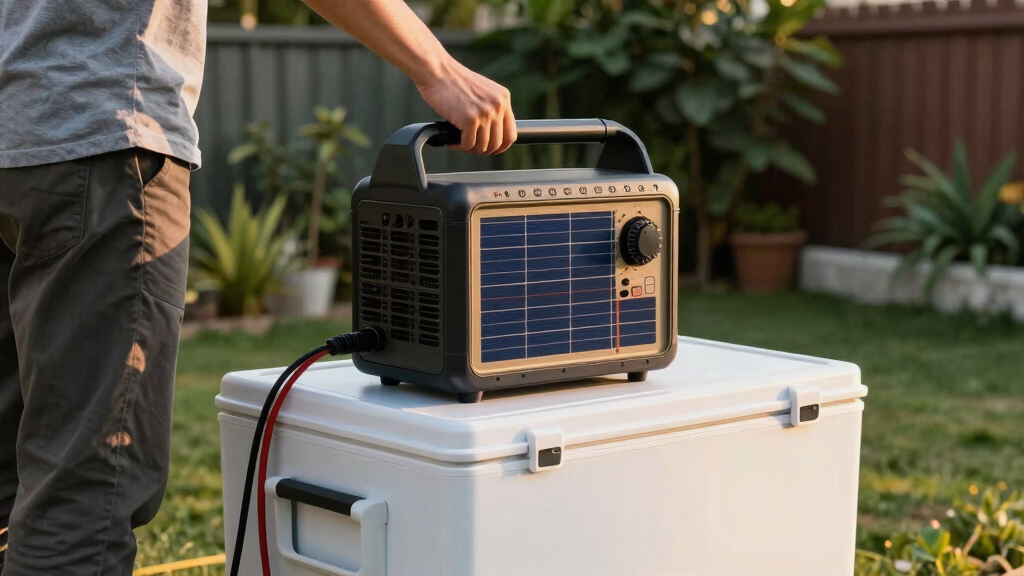
When selecting the best solar generator for freezer backup, the key factors are capacity, reliability, and ease of setup. The Jackery HomePower 3600 Plus stands out for its impressive expandable capacity, making it ideal for long-term backup. The Anker SOLIX C2000 Gen 2 offers rapid charging and high power output, suitable for emergency situations. Meanwhile, the EF ECOFLOW Delta 2 combines portability with robust performance, perfect for smaller setups or frequent use. However, tradeoffs often involve balancing capacity against size and cost. Continue reading to see how each model stacks up and find the best fit for your freezer backup needs.
Key Takeaways
- High-capacity models like the Jackery HomePower 3600 Plus excel in long-term freezer backup but tend to be larger and more expensive.
- Fast charging and high wattage output are critical for quick recovery after outages, making units like the Anker SOLIX C2000 appealing.
- Portability varies widely; smaller units are easier to move but often have limited capacity, suitable for short-term needs.
- Expandable systems offer flexibility for future power demands but come with increased complexity and price.
- Battery chemistry impacts longevity and safety; LiFePO4 batteries generally outperform lithium-ion in durability for backup scenarios.




More Details on Our Top Picks
Jackery HomePower 3600 Plus Portable Power Station, 3600W AC Output, 3584Wh LFP Solar Generator, Expandable up to 21kWh, Essential Home Backup for Home Use, Emergencies, RV (Solar Panel Optional)
The Jackery HomePower 3600 Plus stands out as the most versatile option for those seeking a robust backup solution capable of powering entire households or large appliances during outages. Its impressive 3600W continuous output, combined with a high-capacity 3584Wh LFP battery, allows it to run pumps, heaters, and even dryers with ease. Compared to smaller units like the Jackery Explorer 300, this model provides significantly longer runtime and higher power, making it ideal for sustained backup. The expandable design up to 21kWh offers flexibility for future growth, though this feature involves a higher upfront cost and setup complexity. The built-in safety features, including high-temp resistant cells with a 10-year lifespan, prevent thermal runaway even in extreme conditions. Its multiple charging options, including rapid hybrid AC+DC recharge in just 2 hours, make it highly adaptable. However, its size and weight mean it’s less portable, which could be a drawback for those needing mobility. This pick makes the most sense for homeowners wanting reliable, scalable power during prolonged outages, despite its bulk.
Pros:- High continuous power output of 3600W, suitable for major appliances
- Expandable capacity up to 21kWh, future-proofing your backup system
- Long lifespan with 6,000 cycles and built-in safety features
Cons:- Heavy and bulky design limits portability
- Higher initial cost due to expandable architecture
Best for: Homeowners requiring large-scale, expandable backup power for critical appliances during outages
Not ideal for: Campers or RV users needing lightweight, portable power solutions
- AC output:3600W
- Battery capacity:3584Wh
- Expandable capacity:up to 21kWh
- Charge time:2 hours (hybrid AC+DC)
- Lifespan:6,000 cycles
- Dimensions:Size not specified
Bottom line: This is the best choice for homeowners who need a scalable, reliable backup system capable of running essential household appliances for extended periods.
Jackery Solar Generator 300, 292Wh Backup LiFePO4 Battery with 1XSolar Panel SolarSaga 100W Air, 300W Pure Sine Wave AC Outlet for RV Outdoors Camping Travel Blackout
The Jackery Explorer 300 excels as a portable power solution for camping, outdoor adventures, or emergency use where mobility is key. Its 292Wh LiFePO4 battery delivers enough energy to power small appliances or charge multiple devices, including laptops and cameras, for days. Unlike bulkier systems such as the Jackery HomePower 3600 Plus, this model prioritizes weight and ease of transport, weighing only 7.5 lbs with a handle designed for hiking or travel. Its fast solar charging, reaching 80% in under 3 hours with the SolarSaga 100W panel, makes it practical for off-grid use. However, its lower capacity limits its ability to power larger appliances or run a freezer for extended periods, making it less suitable for prolonged backup. The 300W continuous output also restricts use with higher-wattage devices. This unit is ideal for campers, outdoor enthusiasts, or small households needing quick, portable backup, but not for heavy-duty freezer power.
Pros:- Lightweight at only 7.5 lbs, easy to carry and transport
- Fast solar charging: 80% in under 3 hours
- Long cycle life with LiFePO4 chemistry (over 4,000 cycles)
Cons:- Limited capacity for powering large appliances or freezers
- Continuous power capped at 300W, restricting high-wattage devices
Best for: Outdoor enthusiasts or small households needing lightweight, portable backup power for essential devices
Not ideal for: Homes or users needing to power a freezer or large appliances for hours on end
- Battery capacity:292Wh
- Max output:300W
- Charge time:80% in 2.8 hours
- Weight:7.5 lbs
- Cycle life:Over 4,000 cycles
- Ports:2 AC, USB-C, USB-A, 12V car
Bottom line: Best suited for outdoor adventures or small-scale emergency needs where portability outweighs capacity.
Anker SOLIX C2000 Gen 2 Portable Power Station, 2,400W (Peak 4,000W) Solar Generator, Full Charge in 58 Min, 2048wh LiFePO4 Battery for Home Backup, Power Outages, and Camping (Optional Solar Panel)
The Anker SOLIX C2000 Gen 2 offers an impressive balance of high power output and rapid recharge times, making it ideal for users needing quick, reliable power for multiple devices. Its 2400W rated power and 4,000W peak allow it to run larger appliances or multiple devices simultaneously, surpassing many smaller units like Jackery Explorer 300. Compared with the Jackery HomePower 3600 Plus, the C2000’s faster 58-minute full recharge from zero via AC is a significant advantage for emergency scenarios. Its LiFePO4 battery provides over 4,000 cycles, promising decade-long durability. However, its slightly lower capacity of 2048Wh may limit extended freezer backup, especially compared to larger systems. Its portability is good but less than lightweight units, making it more suited for semi-permanent setups. This model is well-suited for those seeking rapid recharging and substantial power without the bulk of larger systems.
Pros:- Fast full charge in under 1 hour, ideal for emergencies
- High continuous power of 2400W with 4000W surge capacity
- Durable LiFePO4 battery with over 4,000 cycles
Cons:- Limited capacity (2048Wh) for extended freezer operation
- Slightly heavier than ultra-portable options
Best for: Users needing fast recharge times and high power output for multiple devices or partial freezer backup
Not ideal for: Long-term, large-capacity freezer backup or ultra-lightweight portability needs
- Battery capacity:2048Wh
- Max power:2400W
- Peak power:4000W
- Charge time:58 min
- Weight:41.7 lbs
- Cycle life:Over 4,000 cycles
Bottom line: Best for users who need rapid recharge and high power flexibility, especially during emergencies or multi-device use, with some capacity tradeoffs.
Jackery Solar Generator 1000 v2 with 200W Solar Panel, 1070Wh Portable Power Station LiFePO4 Battery, 1500W AC/100W USB-C Output, 1Hr Fast Charge for Outdoor, Off-Grid Living, RV, Emergency
The Jackery Explorer 1000 v2 provides a solid middle ground for those seeking reliable power with rapid recharge capabilities. Its 1070Wh LiFePO4 battery can run a small freezer or refrigerator for many hours, making it suitable for moderate backup needs. Unlike larger, more expensive models like the Jackery HomePower 3600 Plus, it’s more manageable in size and weight, weighing around 23.8 lbs with a foldable handle for portability. Its 1-hour fast recharge—via AC or solar—makes it a dependable choice for short-term outages or off-grid adventures. The versatile ports, including USB-C PD, expand its usability for multiple devices. However, for extended freezer backup in prolonged outages, this capacity might fall short, particularly compared to systems like the Solar Generator 1800W. This generator balances capacity, speed, and portability for users who need dependable backup without excess bulk.
Pros:- Fast 1-hour recharge with AC or solar
- Lightweight and portable at 23.8 lbs
- Reliable LiFePO4 battery with over 4,000 cycles
Cons:- Limited capacity for extended freezer operation
- Power output capped at 1500W, restricting larger appliances
Best for: Small households or outdoor users needing quick, reliable backup for a few days
Not ideal for: Large-scale freezer backup or long-term power outages
- Battery capacity:1070Wh
- Max output:1500W
- Charge time:1 hour
- Weight:23.8 lbs
- Cycle life:Over 4,000 cycles
- Ports:3 AC, USB-C, USB-A, car
Bottom line: Ideal for users seeking a fast-charging, portable backup system for moderate needs, but not for extended freezer operation during prolonged outages.
Solar Generator 1800W (3600W Surge) with 200W Solar Panel, 1024Wh LiFePO4 Portable Power Station Kit, 1.5H AC Fast Charge, Clean Energy for Home Backup, RV Camping, Emergency Outages
The Solar Generator 1800W Kit combines high power output with rapid recharge, making it suitable for powering large appliances or multiple devices simultaneously. Its 1024Wh LiFePO4 battery, while smaller than some units, can still sustain a freezer or refrigerator for several hours, especially when combined with efficient use. The 1.5-hour AC recharging and 200W foldable solar panel make it highly responsive to urgent needs, outpacing many competitors like the Jackery Explorer 300 in recharge speed. Its rugged, IP65 water-resistant design suits outdoor environments, and the 5-year warranty adds peace of mind. The main drawback involves its lower capacity compared to larger systems like the Jackery HomePower 3600 Plus, limiting prolonged freezer backup. Its portability and fast recharging make it ideal for emergency scenarios or outdoor use, but not for extended, large-scale power needs. This is best for users needing high wattage, quick recharge, and a compact form factor for versatile backup.
Pros:- High continuous power of 1800W and surge of 3600W
- Rapid 1.5-hour AC recharge
- Rugged, water-resistant IP65 design for outdoor use
Cons:- Lower capacity (1024Wh) for long-term freezer backup
- Bulkier than ultra-lightweight models
Best for: Outdoor or emergency users needing high power and rapid recharge for multiple devices
Not ideal for: Extended freezer backup during long outages or users needing maximum capacity
- Battery capacity:1024Wh
- Max power:1800W
- Peak power:3600W
- Charge time:1.5 hours
- Water resistance:IP65
- Warranty:5 years
Bottom line: Best for high-wattage, fast-recharging needs in outdoor or emergency situations, with some capacity limitations.
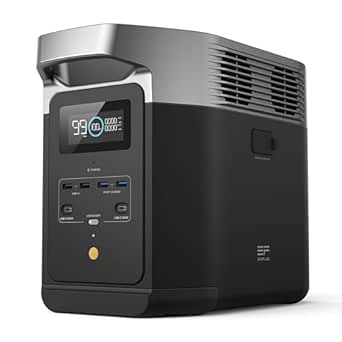
EF ECOFLOW Portable Power Station DELTA 2, 1024Wh LiFePO4 (LFP) Battery, 1800W AC/100W USB-C Output, Solar Generator(Solar Panel Optional) for Home Backup Power, Camping & RVs
The EcoFlow DELTA 2 stands out for its rapid charging, ability to expand capacity, and reliable LiFePO4 chemistry, making it an ideal choice for those seeking a durable backup system. Compared with the Jackery Explorer 300, it offers significantly higher wattage output and faster recharge times, though at a higher price point. Its modular design allows adding extra batteries, which is perfect for extended outages, unlike the smaller Jackery. However, despite its strengths, the DELTA 2 weighs 27 pounds and can be bulky for frequent transport, and some users find the initial setup and app controls slightly complex. This pick makes the most sense for users who need scalable, long-lasting power for home or off-grid backup.
Pros:- Expandable capacity up to 3kWh with additional batteries
- Fast recharge via AC in 2.8 hours and solar in 5 hours
- Long cycle life of approximately 6000 cycles with LiFePO4 chemistry
- Seamless UPS function for critical devices
Cons:- Heavy at around 25 kg, less portable for frequent movement
- Higher cost compared to smaller, simpler models like Jackery 300
- Complex setup and app interface may intimidate beginners
Best for: Homeowners wanting scalable and long-lasting backup power with fast recharge capability
Not ideal for: Lightweight travelers or campers needing ultra-portability and minimal weight
- Battery Capacity:5120Wh
- Output Wattage:1800W
- Charging Time:2.8 hours with AC
- Number of Outlets:15
- Weight:Approximately 55 lbs
- Solar Input:Up to 400W
Bottom line: Ideal for users prioritizing resilience, expandability, and long-term performance over portability.
MARBERO Solar Generator 111Wh Portable Power Station with Solar Panel 30W Included Power Bank with AC Outlet 120W Surge for Home Outages Camping Outdoor Adventure Emergency
The MARBERO M82MAX is a lightweight, highly portable option that includes a foldable solar panel, making it ideal for quick, short-term power needs during camping or minor outages. Compared to larger units like the EcoFlow DELTA 2, it offers a much smaller capacity—111Wh—but at a fraction of the price and weight, perfect for casual outdoor use. Its 80W AC surge capacity can power small devices like lights, phones, and small appliances, but it’s not suited for larger electronics or sustained power needs. The device’s compact design and included solar panel make it easy to carry and set up, though it’s limited when facing extended outages or high-power devices. This makes it best for light, emergency power needs in outdoor or short-term scenarios.
Pros:- Very lightweight at just over 3.5 pounds
- Includes foldable 30W solar panel for off-grid recharging
- Multiple USB and AC ports for versatile device charging
- Compact and easy to carry
Cons:- Limited capacity for prolonged or high-power use
- Only supports devices up to 120W surge, unsuitable for larger appliances
- Requires frequent recharging for continuous use
Best for: Campers and outdoor enthusiasts needing a portable, affordable power source for small devices
Not ideal for: Home backup or users needing to power high-wattage appliances during outages
- Battery Capacity:111Wh
- Surge Power:120W
- Charging Ports:4 USB-A, 1 USB-C, 2 AC
- Weight:3.5 pounds
- Solar Panel Power:30W
- Dimensions:6.5 x 3.2 x 4.6 inches
Bottom line: A practical, portable solution for light outdoor power needs and short-term emergencies.
OUKITEL 5120Wh Large Capacity Solar Generator, Portable Power Station P5000 Pro With 400W Solar Panel, 5x3600W AC Output (6000W Surge), 1000W MPPT Solar for Emergency, Home Backup, RV, Camping
The OUKITEL P5000 Pro offers a massive 5120Wh capacity with 15 versatile outlets, including multiple AC, USB, and DC ports, making it a powerhouse for home or disaster scenarios. Compared with smaller units like Jackery 300 or MARBERO, it’s designed for prolonged power outages and large device loads, such as refrigerators, medical devices, or multiple appliances simultaneously. Its high solar conversion efficiency of up to 23% and rapid charging in under 3 hours make it a resilient choice for off-grid living or emergency preparedness. Nonetheless, its weight of around 55 pounds makes it less portable for everyday outdoor use, and its high capacity comes with a high upfront cost. This system is best for users who need reliable, large-scale backup and are less concerned about portability.
Pros:- Extremely high capacity of 5120Wh for extended outages
- Multiple AC, USB, and DC outlets for diverse devices
- Fast charging via AC or solar in under 5 hours
- Long lifespan with 10-year durability and 6000 cycles
Cons:- Heavy and less portable at about 55 lbs
- High initial purchase cost
- Bulkier size not suited for frequent transport
Best for: Homeowners seeking a robust, large-capacity power station for long-term outages and off-grid living
Not ideal for: Travelers and backpackers needing lightweight, portable power solutions
- Battery Capacity:5120Wh
- Number of Outlets:15
- Recharge Time:Under 5 hours with AC
- Peak Power:6000W
- Weight:Approximately 55 lbs
- Solar Input:400W
Bottom line: Perfect for those requiring a large, dependable backup power system for long-term or off-grid use, sacrificing portability.
EcoFlow Portable Power Station DELTA 2, 1024Wh LiFePO4 (LFP) Battery, 1800W AC/100W USB-C Output, Solar Generator(Solar Panel Optional) for Home Backup Power, Camping & RVs
The EcoFlow DELTA 2 is a well-balanced portable power station that offers 1024Wh capacity, rapid 0-80% charging in just 50 minutes, and a high 1800W AC output, making it suitable for most camping and emergency needs. Compared with the Jackery Explorer 300, the DELTA 2 provides more power and faster recharge, although it’s heavier at 27 pounds. Its modular design supports adding extra batteries, and its LiFePO4 chemistry ensures long cycle life. However, it’s less suitable for powering high-wattage appliances over long periods and may be overkill for small device charging. Its size and weight are manageable for most outdoor and emergency scenarios, but not for ultra-portable use. This model makes sense for those wanting a versatile, quick-recharging backup for moderate power demands.
Pros:- Fast 0-80% charging in 50 minutes
- Expandable capacity with additional batteries
- High 1800W continuous power output
- Supports solar charging up to 500W
Cons:- Heavy at 27 pounds, less portable than smaller units
- Higher cost than basic models like Jackery 300
- Limited runtime for high-wattage appliances over prolonged use
Best for: Campers and small households needing a reliable, fast-charging power station for moderate loads
Not ideal for: Travelers seeking ultra-lightweight gear or users with high-wattage appliance needs
- Battery Capacity:1024Wh
- Output Power:1800W
- Charge Time:50 mins to 80%
- Additional Battery Support:Yes
- Weight:27 pounds
- Solar Input:Up to 500W
Bottom line: Best suited for users needing a quick, reliable, versatile backup for moderate power loads in outdoor or emergency settings.
Jackery Portable Power Station Explorer 300, 292Wh Backup LiFePO4 Battery, Solar Generator for Outdoors Camping Travel Hunting Blackout (Solar Panel Optional)
The Jackery Explorer 300 is a compact, lightweight power station that provides 292Wh of reliable LiFePO4 capacity, with quick recharge times and multiple ports for small device charging. Compared to larger options like the EcoFlow DELTA 2 or OUKITEL P5000, it’s ideal for short trips or emergency use where portability is key. Its 300W pure sine wave inverter protects sensitive electronics, and the unit’s fast charging makes it convenient to top off. However, its limited capacity means it’s not suitable for powering larger appliances or long-term outages. Its small size and weight make it perfect for backpackers or quick outdoor setups, but not for extended home backup. This is the best choice for lightweight, portable, short-duration power needs.
Pros:- Lightweight at just under 7 pounds
- Fast recharge via wall or solar
- Multiple ports including USB-C, USB-A, and AC
- Pure sine wave output for sensitive electronics
Cons:- Limited capacity of 292Wh not for long-term power
- Not suitable for high-wattage appliances
- Requires frequent recharging for continuous use
Best for: Hikers, campers, and emergency kit owners needing a portable, reliable power source for small devices
Not ideal for: Home backup or users needing to run large appliances for extended periods
- Battery Capacity:292Wh
- Peak Power:300W
- Weight:6.9 pounds
- Number of Ports:6
- Recharge Time:2.5 hours
- Pure Sine Wave:Yes
Bottom line: Excellent for lightweight, portable power with short runtime, perfect for outdoor adventures and emergency kits.
Portable Solar Generator, 300W Portable Power Station with Foldable 60W Solar Panel,110V Pure Sine Wave 280Wh Battery Power Pack with USB DC AC Outlet for Camping Smart Devices RV Van Outdoor-Orange
This lightweight option stands out for its affordability and portability, making it ideal for those who need occasional freezer backup without heavy equipment. Compared with larger generators like the BLAVOR DS-S1600, it offers less capacity and runtime, but its smaller size and lower price make it more accessible for casual users. The 280Wh battery provides enough juice to power small appliances or a freezer for a limited time—roughly around 3-4 hours depending on load—making it suitable for short outages or supplementary backup. Its included 60W foldable solar panel allows recharging in sunny conditions, but the recharge process is slower than larger units, and it cannot handle devices over 300W, limiting its use for high-power appliances. The multiple outlets, including USB and AC, add versatility for charging multiple small devices simultaneously. However, the limited capacity and runtime are a tradeoff for its compactness, so it’s less suitable for prolonged outages or larger freezers. This pick makes the most sense for users seeking a portable, affordable backup for small freezers or essential devices during short outages.
Pros:- Lightweight and compact, easy to carry and store
- Includes foldable 60W solar panel for renewable recharging
- Multiple output ports support a variety of devices
Cons:- Limited battery capacity (280Wh) restricts runtime for larger freezers
- Cannot handle devices over 300W, limiting high-power appliance use
- Slower recharge time via solar compared to larger units
Best for: Hikers, campers, or small household users needing occasional freezer backup with easy portability
Not ideal for: Homes with large freezers or frequent extended outages, due to its limited capacity
- Wattage:300 watts
- Battery Capacity:280Wh
- Input Charging Options:AC, 60W Solar Panel, Car
- Output Voltage:110V AC
- Number of Outlets:2 AC, 3 USB, 1 DC
- Weight:5.08 pounds
Bottom line: Ideal for users needing a small, portable backup to power a freezer for a few hours during a short outage.
BLAVOR Portable Power Station 1600W (Peak 3200W), Built-in Solar Panel, 1024Wh LiFePO4 Battery, 100W USB-C Fast Charge, Solar Generator for Home Backup, Camping, Power Outages & RV
This model makes a compelling choice for those who need substantial backup power for a freezer and multiple devices over extended periods. Compared with the smaller ZeroKor 300W generator, it offers over three times the capacity at 1024Wh and a much higher peak output of 3200W, capable of running larger freezers and several appliances simultaneously. The built-in foldable solar panel provides a convenient, all-in-one solution for recharging in sunny conditions, while the versatile AC, USB-C, and DC outlets support a broad range of devices, including small refrigerators or freezers. Its LiFePO4 battery ensures over 3500 charge cycles, giving it an operational lifespan of more than 10 years with minimal capacity loss. Though heavier at 26 pounds, its portability remains feasible for home or RV use, especially when portability is less critical than capacity. Its high surge power and long-term durability make it ideal for extended outages or off-grid living, but the higher price and weight are tradeoffs. This pick is best suited for users seeking reliable, long-term backup power for large freezers and multiple electronics.
Pros:- Large 1024Wh capacity supports extended freezer operation
- High surge power (up to 3200W) handles larger appliances and startup loads
- LiFePO4 battery with over 10-year lifespan and 3500+ cycles
- Built-in foldable solar panel for renewable recharging
Cons:- Heavier at 26 pounds, less portable for frequent travel
- Higher cost compared to smaller, less powerful units
- Bulkier size may be less suitable for tight storage spaces
Best for: Homeowners, RV travelers, or preppers needing durable, high-capacity power for long outages or off-grid scenarios
Not ideal for: Users with limited space or those seeking a lightweight, budget-friendly solution for short-term outages
- Wattage:1600W (Peak 3200W)
- Battery Capacity:1024Wh
- Recharge Method:Solar, AC, Car
- Output Voltage:120V
- Number of Outlets:2 AC, 2 USB-C, 4 DC
- Weight:26 pounds
Bottom line: This power station is perfect for those who need dependable, long-lasting backup power for large freezers and multiple devices during extended outages.
How We Picked
I evaluated these solar generators based on their ability to reliably power a freezer during outages, focusing on capacity, power output, and recharge speed. Ease of use and portability were also key, especially for setups that might need to be moved or installed quickly. Durability and build quality played a role, as these units must withstand frequent use and environmental factors. Cost-effectiveness was considered, but I prioritized models that offer a strong balance of performance and value, ensuring they meet real backup needs without unnecessary features or expense. This led to a ranking that favors capacity, reliability, and user-friendly features for freezer backup scenarios.Factors to Consider When Choosing Best Solar Generator For Freezer Backup
Choosing the right solar generator for freezer backup involves understanding several key factors that influence performance, convenience, and longevity. The first consideration is capacity—larger batteries can keep a freezer running longer but often come with increased weight and price. Power output, especially surge capacity and continuous wattage, determines whether the generator can handle your freezer’s startup and running demands. Ease of recharging, whether via solar or grid, affects how quickly you can restore power after an outage. Portability might matter if you need to move the generator between locations, and overall build quality ensures durability over time. Balancing these factors according to your specific needs is essential for making a smart purchase.Capacity and Runtime
For freezer backup, capacity is a primary concern—your generator must store enough energy to keep your freezer cold for several hours or days. Look for units with at least 1,000Wh capacity for short outages, but for longer-term needs, models with 3,000Wh or more are preferable. Keep in mind that higher capacity often translates to larger size and higher cost, so consider how much backup time is necessary. Additionally, check if the generator’s runtime estimates are based on your freezer’s power draw to ensure accuracy.
Power Output and Surge Capacity
The generator’s continuous wattage rating must meet or exceed your freezer’s startup surge wattage, which can be significantly higher than running wattage. Many freezers require a surge of 150-300% of their running wattage at startup. A unit with at least 1500W-2000W surge capacity is advisable for most freezers. Reliable power output prevents shutdowns or damage during startup, ensuring your food stays frozen without interruption. Be cautious of units that only offer peak wattage ratings, which can be misleading if their continuous output is lower.
Recharge Speed and Solar Compatibility
Fast recharging capabilities are vital if you experience frequent outages or want quick turnaround after solar charging. Units that can recharge fully in under 2 hours via AC or solar are advantageous. Solar compatibility also matters—look for models with high solar input ratings (e.g., 200W or more) to maximize sunlight conversion. This is especially important for off-grid or remote setups where grid power isn’t available. Remember that real-world solar charging depends on weather and panel quality, so choosing a generator with flexible input options can be beneficial.
Portability and Size
If you plan to move your generator between locations—say, from a garage to a campsite—portability becomes a priority. Compact units with built-in handles or wheels are easier to manage, though they may sacrifice capacity. Larger, high-capacity models tend to be heavier and less convenient to move but provide longer backup times. Consider your specific use case: for emergency home backup, size may be less critical, but for outdoor or RV use, portability can significantly influence your choice. Balance your capacity needs with mobility to avoid regret later.
Battery Chemistry and Durability
The longevity and safety of your solar generator hinge on its battery chemistry. LiFePO4 batteries are generally more durable, offering more charge cycles and better thermal stability than traditional lithium-ion types. This durability is crucial for backup systems that may be used repeatedly or for extended periods. Investing in a model with high-quality batteries can save money over time, reducing replacements and maintenance. Also, consider the warranty and manufacturer support, as these reflect confidence in the product’s durability and lifespan.
Frequently Asked Questions
How long can a solar generator power my freezer during an outage?
The runtime depends on your freezer’s power draw and the capacity of the solar generator. A typical small freezer consumes about 100-200W, so a 1000Wh unit could last around 5-10 hours. Larger capacities, such as 3000Wh or more, can provide backup for several days if the freezer isn’t opened frequently. To extend backup time, consider using a generator with high capacity and ensure your freezer’s startup wattage is within the generator’s surge limits. Regularly monitoring your power usage can help optimize runtime during outages.
Can I power other appliances along with my freezer using a solar generator?
Yes, but it depends on the generator’s wattage capacity and the total load of all connected devices. Many units can handle additional small appliances like lights, phones, or small fans, but high-wattage devices such as space heaters or large refrigerators may exceed the generator’s limits. Always check the continuous and surge wattage ratings, and plan your load accordingly. Overloading can cause shutdowns or damage, so prioritize critical devices and consider a generator with ample capacity if you plan to run multiple appliances simultaneously.
Is it better to get a larger capacity generator or multiple smaller units?
For freezer backup, a single large-capacity generator typically offers more convenience and reliability, providing longer runtime and simpler setup. Smaller units can be useful if portability is a priority or if you want to run specific appliances separately. However, managing multiple devices across several smaller units can become complicated and less efficient. Consider your backup duration needs, space constraints, and budget when deciding. Usually, a well-chosen larger unit simplifies the process and reduces points of failure.
How do I ensure my solar generator is ready for long-term emergencies?
To prepare for extended outages, select a generator with high capacity, durable batteries like LiFePO4, and fast recharging options, including solar input. Keep the batteries fully charged when not in use and regularly test the system to ensure it functions correctly. Having additional solar panels can boost recharging speed and capacity. Also, store the generator in a cool, dry place to prolong battery life, and keep a maintenance schedule to check connections and battery health. Preparing in advance ensures your system will perform when needed most.
Are solar generators safe to use around food and in home environments?
Yes, most modern solar generators are designed with safety features like overload protection, thermal shutdown, and low-voltage cutoff. They produce clean, silent power, making them safe for food storage and indoor use. However, it’s important to place them in well-ventilated areas and avoid exposure to extreme temperatures. Follow the manufacturer’s guidelines for operation and storage, and keep an eye on battery health to prevent potential issues. Proper use ensures that your food remains safe and your home environment stays secure during power disruptions.