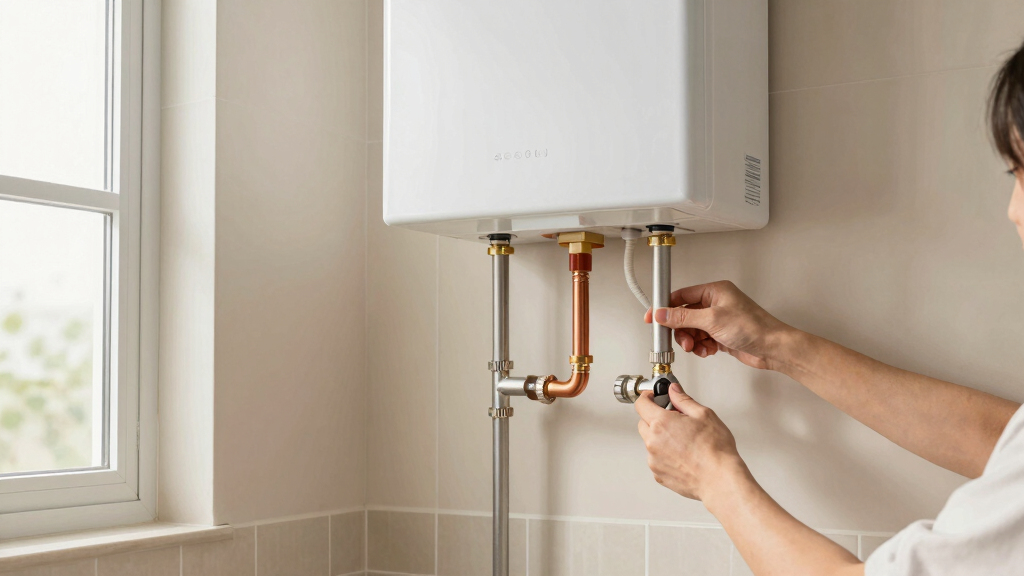

Finding the best tankless water heater electric whole house system in 2026 means balancing performance, efficiency, and ease of use. The 27kW NOVIEEX model stands out for rapid hot water delivery, while the 36kW electric heater with WiFi offers advanced control features. Buyers face tradeoffs between power capacity, installation complexity, and cost—more powerful units deliver more hot water but often come with higher upfront expenses and installation requirements. Continue reading for a detailed breakdown of the top options and what makes each one unique.

Get decor and gifts delivered free with Prime
- Fast, free delivery on millions of items
- Prime Video, Amazon Music and more included
- Member-only deals all year
Complete the kit


Key Takeaways
- Power capacity directly impacts hot water flow rates; higher kilowatt ratings generally mean better performance for larger homes.
- WiFi connectivity adds convenience but often increases the price; consider if smart features justify the investment.
- Self-modulating units improve efficiency and can extend the lifespan of the heater by adjusting power use based on demand.
- Installation complexity varies; some models require professional setup due to high power requirements, while others are simpler to install.
- Price range across options reflects differences in features, performance, and build quality—balance your budget with your hot water needs.


| tankless water heater electric whole house | Power | Voltage | Flow Rate | Dimensions |
|---|---|---|---|---|
| 27kW Tankless Water Heater Ele | 27kW | 240V | 7.4 GPM | 14.13" W x 15.86" H x 3.18" D |
| 36kW Electric Tankless Water H | 36kW | 240V | 8.7 GPM | 13.7" W × 21.5" H × 5.2" D |
| Westinghouse 14kW Tankless Ele | 14kW | 240V | Supports 3.4 GPM at 62°F | 12.59"H x 9.56"W x 3.28"D |
| Westinghouse Electric Tankless | 18kW | 240V | 2.6–4.2 GPM | 18.7 x 3.94 x 14.17 inches |
| APUS 27kW Electric Tankless Wa | 27kW | 240V | Up to 6.5 GPM | 17.7 × 11.4 × 3.5 inches |
| Stiebel Eltron Tempra 36 Trend | 36kW | 240V | — | — |
| Tankless Electric Water Heater | 27kW | 240V | 5.27 GPM | 17.12" x 13.12" x 3.12" |
| 18kW Tankless Water Heater Ele | 18kW | 240V | 4.3 GPM | — |
More Details on Our Top Picks
27kW Tankless Water Heater Electric, NOVIEEX 240V 3s Instant Hot Water Heater, Flow Rate Max 7.4 GPM, Indoor Use
This 27kW model from NOVIEEX stands out for handling higher simultaneous hot water needs, supporting multiple outlets with a flow rate of 7.4 GPM that surpasses smaller units like the Westinghouse 14kW. Its precise temperature control and energy efficiency make it a reliable choice for busy households, but the high power draw means it demands professional installation and a robust electrical system. Compared to lower wattage models, it offers greater capacity at the cost of increased complexity and upfront electrical requirements. This pick is ideal for homes with multiple bathrooms or larger families needing dependable, on-demand hot water without sacrificing performance.
Pros:- Supports multiple simultaneous hot water outlets with high flow rate
- Precise temperature control via LED display ensures comfort and safety
- Energy-efficient operation reduces ongoing costs
- Comprehensive safety features and warranty provide peace of mind
Cons:- Requires professional electrical installation and significant power capacity
- High initial energy costs due to power consumption
- Heavy and bulky, may require dedicated space
Best for: Large households with multiple simultaneous hot water demands and existing high-capacity electrical systems
Not ideal for: Small apartments or homes with limited electrical capacity, due to its high power consumption and installation complexity
- Power:27kW
- Voltage:240V
- Flow Rate:7.4 GPM
- Dimensions:14.13″ W x 15.86″ H x 3.18″ D
- Water Connection:3/4″ NPT
- Temperature Range:77°F to 140°F
Our verdict“This model is perfect for large households needing reliable, high-capacity hot water, provided your home can support its electrical demands.”
36kW Electric Tankless Water Heater 240V ETL Certified WiFi
The 36kW unit from this line offers the highest flow rate in this group at 8.7 GPM, making it suitable for homes with 3–5 bathrooms in moderate climates. Its self-modulating technology enhances energy efficiency, and the addition of WiFi control introduces convenient remote management, unlike the more basic models like Westinghouse 18kW. However, its demanding electrical requirements—needing a 300A service—limit its applicability to newer or heavily upgraded homes. If you seek maximum capacity and smart features, this model provides a scalable, on-demand hot water solution, but only if your electrical system can support it.
Pros:- Provides continuous hot water with no preheating delays
- Energy-efficient self-modulating technology reduces power use
- WiFi control allows remote temperature adjustments
- Space-saving wall-mounted design
Cons:- Requires a 300A electrical service, not suitable for many existing homes
- Installation complexity and need for a licensed electrician
- Designed primarily for larger homes; may be overkill for small households
Best for: Homeowners with larger houses and access to high-capacity electrical service who want smart control features
Not ideal for: Older homes with limited electrical capacity or small households with minimal hot water needs
- Power:36kW
- Voltage:240V
- Flow Rate:8.7 GPM
- Dimensions:13.7″ W × 21.5″ H × 5.2″ D
- Water Connection:3/4″ NPT
- Certification:ETL
Our verdict“This model is best suited for tech-savvy homeowners with high capacity electrical systems seeking a scalable, smart hot water solution.”
Westinghouse 14kW Tankless Electric Water Heater, 240V, WiFi, ETL Certified, Gray
The Westinghouse 14kW unit offers instant hot water with a flow rate support of about 3.4 GPM at typical inlet temperatures, making it suitable for small apartments or single-bath homes. Its compact size and WiFi control set it apart from bulkier models like NOVIEEX, fitting well in tight spaces while still delivering on-demand hot water quickly. Nonetheless, its limited flow rate means it can’t serve multiple fixtures simultaneously, unlike larger units such as the APUS 27kW. This makes it ideal for individual or light use scenarios where space is at a premium, but not for whole-house demands involving multiple outlets.
Pros:- Compact design fits in small spaces
- Instant hot water delivery in just 3 seconds
- WiFi and voice control compatibility
- Durable with safety features and leak protection
Cons:- Limited flow rate restricts simultaneous use
- Requires dedicated 60A breaker and complex wiring
- Lower capacity for larger households
Best for: Single-family homes or apartments with low hot water demand and limited space
Not ideal for: Households with multiple bathrooms or high simultaneous hot water needs, as flow rate is limited
- Power:14kW
- Voltage:240V
- Flow Rate:Supports 3.4 GPM at 62°F
- Dimensions:12.59″H x 9.56″W x 3.28″D
- Connections:1/2″ NPT
- Certifications:ETL
Our verdict“This model is perfect for small spaces or single-point use, but falls short for whole-house applications with multiple fixtures.”
Westinghouse Electric Tankless Water Heater 18kW 240V Wi-Fi Compatible
The 18kW Westinghouse model offers a middle ground with a flow rate ranging from 2.6 to 4.2 GPM, supporting basic whole-house needs in smaller or moderate homes. Its 50% faster heating rate improves user comfort over lower wattage units like the 14kW, and Wi-Fi control adds convenience for temperature adjustments. Still, it requires a dedicated 75A circuit and specific wiring, which may add complexity for DIY installations. Compared to the more powerful 27kW APUS, this unit balances capacity with electrical demands, making it suitable for homes that want more hot water without extensive electrical upgrades.
Pros:- Faster heating compared to lower wattage models
- Wi-Fi control compatible with Alexa and Google Home
- Compact size suitable for limited spaces
- ETL-certified with essential safety features
Cons:- Flow rate varies with inlet temperature
- Requires specific electrical setup (75A, 240V)
- Limited support for multiple simultaneous outlets
Best for: Small to medium-sized homes seeking faster hot water delivery with smart features
Not ideal for: Larger households with high simultaneous hot water needs or homes lacking sufficient electrical capacity
- Power:18kW
- Voltage:240V
- Flow Rate:2.6–4.2 GPM
- Temperature Range:86–140°F
- Dimensions:18.7 x 3.94 x 14.17 inches
- Installation Requirements:75A, 0.5–4.2 GPM, 3/4″ NPT
Our verdict“This model offers a good balance of speed and capacity for small to medium homes with smart control preferences.”
APUS 27kW Electric Tankless Water Heater, 240V, Up to 6.5 GPM, 3s Instant
The APUS 27kW model supports a flow rate of up to 6.5 GPM, making it suitable for larger households with multiple fixtures. Its digital temperature control and self-modulating technology ensure consistent hot water and energy savings, similar to the NOVIEEX but with a more user-friendly design. The main tradeoff involves its electrical demands—requiring three 40A breakers—which may complicate installation in homes with limited electrical capacity. Compared with the 14kW Westinghouse, this unit delivers significantly more hot water, though it demands a more robust electrical setup and professional installation. It’s a solid choice for those prioritizing performance over electrical complexity.
Pros:- Supports high flow rates suitable for multiple fixtures
- Digital control offers precise temperature adjustment
- Self-modulating technology optimizes energy use
- Space-efficient wall-mount design
Cons:- Requires three 40A breakers and complex wiring
- Installation complexity may be high for DIYers
- Performance can vary with inlet water temperature
Best for: Large households or homes with high simultaneous hot water demands
Not ideal for: Small apartments or homes with limited electrical infrastructure
- Power:27kW
- Voltage:240V
- Flow Rate:Up to 6.5 GPM
- Dimensions:17.7 × 11.4 × 3.5 inches
- Water Connection:3/4-inch NPT
- Installation Requirements:3×40 A breakers, 6×8 AWG
Our verdict“This model excels for large homes needing high flow capacity, assuming you have the electrical capacity to support it.”
Stiebel Eltron Tempra 36 Trend Electric Tankless Water Heater, 36kW, 240V
The Stiebel Eltron Tempra 36 Trend stands out for its ability to deliver unlimited hot water across a whole house, rivaling larger models like the 36kW electric heater but with a more streamlined digital interface and quieter operation. Its space-saving design makes it ideal for homes where indoor space is at a premium. However, its high electric service requirement of 300 A can complicate installation, especially in older homes with limited electrical capacity. Compared with smaller units, this model offers greater capacity and continuous hot water, but the tradeoff is a more complex, potentially costly setup. The durable copper heating system and 7-year leak warranty add longevity to a high-performance unit, making it a strong choice for those seeking reliability and efficiency.
Pros:- Provides unlimited on-demand hot water for entire house
- Energy-efficient, space-saving design
- Quiet operation with a clear digital temperature display
Cons:- Requires a high 300 A electrical service, which can increase installation costs
- Installation complexity due to power demands
- Not suitable for homes with older or limited electrical infrastructure
Best for: Large households with high hot water demands and advanced electrical systems
Not ideal for: Homes with limited electrical capacity or minimal hot water needs
- Power:36kW
- Voltage:240V
- Recommended Electric Service:300 A
- Temperature Range:68° to 140°F
- Warranty:7-Year Leakage, 3-Year Parts
Our verdict“This model is best suited for large homes with modern electrical systems needing reliable, continuous hot water supply.”
Tankless Electric Water Heater 27kW, 240V, Self-Modulating, Instant Hot Water, 5.27 GPM
The 27kW tankless electric water heater offers a solid balance between capacity and efficiency, making it a good alternative to the larger 36kW models like the Tempra 36 for homes with moderate demand. Its self-modulating technology helps optimize energy use, while the digital controls provide precise temperature management. Compared to the 18kW unit, this model can handle higher flow rates (5.27 GPM), making it suitable for a family with multiple fixtures running simultaneously. The main tradeoff is its high amperage draw of 114 amps, necessitating dedicated electrical work, which could be challenging for some installations. Still, it strikes a good balance between capacity and power consumption for many residential setups.
Pros:- Provides instant hot water with a flow rate of 5.27 GPM
- Self-modulating technology for energy efficiency
- Digital temperature control with safety features
Cons:- Requires dedicated high-amperage circuit breakers
- Installation may need professional electrical work
- Large power draw could be incompatible with older electrical systems
Best for: Mid-sized households needing reliable hot water for multiple fixtures
Not ideal for: Homes with limited electrical capacity or very low hot water demand
- Power:27kW
- Voltage:240V
- Flow Rate:5.27 GPM
- Temperature Range:80°F to 140°F
- Current Draw:114 Amp
- Dimensions:17.12″ x 13.12″ x 3.12″
Our verdict“This unit offers a practical, mid-range solution for families seeking reliable hot water without the bulk of larger models.”
18kW Tankless Water Heater Electric 240V, Self-Modulating
The 18kW compact electric tankless water heater is designed for point-of-use applications, such as near a shower or washer, offering up to 4.3 GPM of hot water. Its self-modulating technology maximizes energy savings, while multiple safety protections add peace of mind. Compared with larger units like the 27kW model, this heater is easier to install in small spaces and requires less electrical infrastructure, though it’s limited to smaller hot water loads. The main tradeoff is its restricted flow rate of 4.3 GPM, which may not be sufficient for larger households or simultaneous fixtures. Still, this model works well where space is tight and demands are moderate.
Pros:- Provides instant, endless hot water for small loads
- Energy-efficient with smart modulation and high efficiency
- Compact size and multiple safety features
Cons:- Requires specific electrical setup of two 40A circuit breakers
- Limited to point-of-use applications
- Flow rate may be insufficient for larger household needs
Best for: Small homes, apartments, or point-of-use needs near a single fixture
Not ideal for: Large households or homes with multiple simultaneous hot water demands
- Power:18kW
- Voltage:240V
- Flow Rate:4.3 GPM
- Protection Features:Leakage, dry heating, high temp protection
- Circuit Requirements:Two 40A double pole breakers
Our verdict“This heater is ideal for small spaces or single fixtures, offering reliable hot water with minimal installation hassle.”

How We Picked
The products in this roundup were selected based on their power output, flow rate, build quality, safety certifications, and smart features. We prioritized units that deliver reliable hot water for whole-house use, focusing on those with proven performance, ease of installation, and good energy efficiency. Each model was evaluated for value relative to its features, ensuring a range of options suitable for different budgets and household sizes. Our ranking reflects a combination of performance, user-friendly features, and overall durability, making it easier for buyers to choose based on their specific needs.Factors to Consider When Choosing Best Tankless Water Heater Electric Whole House
Choosing the best electric tankless water heater for your entire home involves understanding key factors that influence performance, efficiency, and cost. Beyond raw power, you’ll want to consider installation requirements, control options, and long-term reliability. Making an informed decision can prevent costly mistakes and ensure your hot water system meets your household’s demands for years to come.Power Capacity and Flow Rate
Power output, measured in kilowatts, directly impacts how much hot water your system can produce simultaneously. For whole-house use, larger households typically need units rated at 27kW or higher to ensure consistent hot water flow. Keep in mind that higher wattage units may require specialized electrical wiring and a dedicated circuit, which can increase installation costs. Matching your home’s hot water demand with the unit’s capacity is crucial for avoiding shortfalls during peak usage.
Energy Efficiency and Modulation
Efficiency features like self-modulation adjust power output based on demand, which can significantly reduce energy consumption and extend the lifespan of the unit. This allows the heater to operate only at the necessary capacity, avoiding waste. While these models might cost more upfront, they often save money over time through lower energy bills. Consider whether energy savings and long-term reliability outweigh the initial higher cost for your household.
Smart Features and Connectivity
WiFi-enabled models provide remote control and monitoring, which can be handy for troubleshooting or scheduling. However, these features typically add to the purchase price and sometimes compromise simplicity. For tech-savvy homeowners who want precise control and integration with smart home systems, these units are appealing. Conversely, if you prefer a straightforward, no-fuss system, choosing a non-connected model might be better and less costly.
Installation and Electrical Requirements
High-power units often require professional installation, including specialized wiring and possibly upgrading your home’s electrical system. This can add to the initial setup cost and complexity. On the other hand, lower-wattage models may be easier to install and suitable for retrofit projects. Carefully evaluate your home’s electrical capacity and consult a professional to determine what is feasible before selecting a unit.
Price and Long-Term Value
Prices for these units range significantly based on capacity, features, and brand reputation. While premium options with smart features and high capacity cost more upfront, they can offer better performance and efficiency that might reduce operating costs. Conversely, budget models may meet basic needs but could lack durability or advanced controls. Think about your long-term expectations and household hot water needs to choose a balanced option that offers the best value.
Frequently Asked Questions
How do I determine the right wattage for my whole house?
To find the appropriate wattage, start by assessing your household’s peak hot water demand, including the number of bathrooms and appliances used simultaneously. A typical family home might need units rated at 27kW or higher. It’s important to match the unit’s capacity with your home’s size and usage patterns; otherwise, you risk running out of hot water during busy mornings or peak times. Consulting an electrician can help ensure your electrical system can support the chosen unit safely.
Are WiFi-enabled tankless water heaters worth the extra cost?
WiFi-enabled models offer added convenience through remote control, monitoring, and scheduling, which can improve user experience. For tech enthusiasts or those managing complex schedules, these features justify the higher price. However, for basic needs, a simpler unit without connectivity may suffice and reduce costs. Consider whether the benefits of smart features align with your household’s habits and your willingness to manage additional complexity.
Can I install a high-capacity water heater myself?
Installing a high-capacity electric tankless water heater generally requires professional expertise due to the significant electrical demands and potential need for wiring upgrades. DIY installation risks safety issues and may void warranties if not done correctly. For most homeowners, hiring a licensed electrician ensures the unit is safely installed and complies with local codes. Always check the manufacturer’s guidelines and local regulations before attempting installation yourself.
How important are certifications like ETL or UL?
Certifications such as ETL and UL indicate that the product has been tested for safety and complies with industry standards. Choosing a certified unit reduces the risk of electrical faults, leaks, or other hazards. These certifications also often reflect better build quality and reliability, giving you peace of mind that the unit meets safety benchmarks essential for whole-house systems. Always prioritize certified products from reputable brands.
What is the typical lifespan of a tankless electric water heater?
Most electric tankless water heaters last between 20 and 25 years with proper maintenance. Regular flushing to prevent mineral buildup and annual inspections can extend their lifespan. Investing in a reputable brand with good customer support can also make a difference in durability. Keep in mind that components like heating elements may need replacing over time, but the overall unit can serve your household for decades if properly cared for.
Conclusion
For most households, the best overall pick is the 27kW NOVIEEX model due to its balance of performance and affordability. Those seeking the best value might prefer a self-modulating unit like the Tankless Electric Water Heater 27kW for energy savings. For tech-savvy users willing to invest more, the 36kW WiFi-enabled model offers smart control features. Beginners or small households should consider lower-wattage, simpler models like the 18kW Self-Modulating heater to avoid installation hassles. Ultimately, your choice hinges on your home’s size, your budget, and whether you prioritize smart features or straightforward reliability.