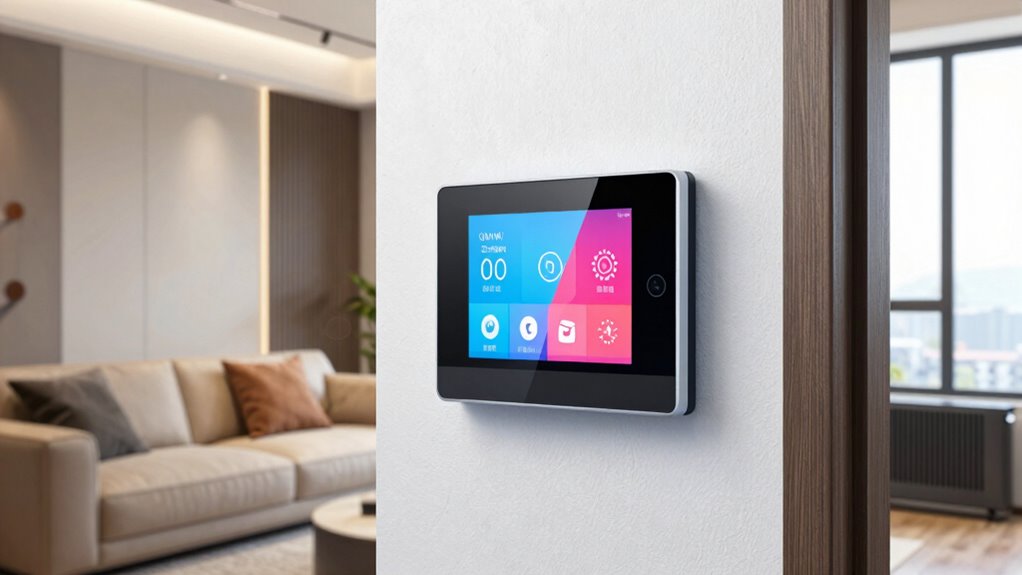

Choosing the right smart thermostat for your electric baseboard heaters can significantly improve comfort and reduce energy costs. In 2026, options range from user-friendly models to advanced systems with extensive smart home integration. Among the top picks, the Mysa Smart Thermostat LITE stands out for its easy installation and compatibility with popular voice assistants, making it ideal for DIYers. The Meross Smart Thermostat offers broad platform support and precise control, suited for tech-savvy users with complex home setups. Meanwhile, the Mysa V2 adds adaptive display features and energy insights for cost-conscious homeowners. Lastly, the Meross Matter Smart Thermostat provides future-proof connectivity with Matter support, perfect for those invested in smart home ecosystems. Each of these options balances price, features, and ease of use, but they differ in compatibility requirements and system limitations—tradeoffs you’ll want to consider carefully.

Get decor and gifts delivered free with Prime
- Fast, free delivery on millions of items
- Prime Video, Amazon Music and more included
- Member-only deals all year
Complete the kit


Key Takeaways
- The best thermostat for DIY installation is the Mysa Smart Thermostat LITE, thanks to its straightforward setup and broad voice assistant support.
- For advanced control and multi-platform integration, the Meross Smart Thermostat offers the most flexibility but requires a more complex wiring setup.
- The Mysa V2 stands out with adaptive display technology and energy insights, making it ideal for cost-conscious users who value detailed data.
- Meross Matter supports future-proof smart home integration, but it’s limited to high-voltage electric systems and Wi-Fi dependency.
- Tradeoffs include wiring complexity, system compatibility, and whether you prefer simplicity or advanced features.
| Mysa Smart Thermostat LITE for Electric Baseboard Heaters |  | Best Overall DIY-Friendly Choice | Controller Type: Apple HomeKit, Alexa, Google Assistant | Voltage: 240 volts | Connectivity Technology: Wi-Fi, Bluetooth | VIEW ON AMAZON | See Our Full Breakdown |
| Meross Smart Thermostat for Electric Baseboard and In-Wall Heaters |  | Best for Multi-Platform Compatibility | Controller Type: Alexa, Apple HomeKit, Google Assistant, SmartThings | Voltage: 120 volts | Connectivity Technology: Wi-Fi | VIEW ON AMAZON | See Our Full Breakdown |
| Mysa Smart Thermostat V2 for Electric Baseboard Heaters |  | Best for Advanced Features & Energy Insights | Controller Type: Apple HomeKit, Alexa, Google, Android, iOS | Voltage: 240 volts | Connectivity Technology: Wi-Fi, NFC | VIEW ON AMAZON | See Our Full Breakdown |
| Meross Matter Smart Thermostat for Electric Baseboard Heaters |  | Future-Proof Control with Matter Support | Controller Type: Alexa, Apple HomeKit, Google, SmartThings, Matter | Voltage: 120 volts | Connectivity Technology: Wi-Fi, Matter | VIEW ON AMAZON | See Our Full Breakdown |
| smart thermostat for electric baseboard | Controller Type | Voltage | Connectivity Technology | Display Type |
|---|---|---|---|---|
| Mysa Smart Thermostat LITE for | Apple HomeKit, Alexa, Google Assistant | 240 volts | Wi-Fi, Bluetooth | LCD |
| Meross Smart Thermostat for El | Alexa, Apple HomeKit, Google Assistant, SmartThings | 120 volts | Wi-Fi | LCD |
| Mysa Smart Thermostat V2 for E | Apple HomeKit, Alexa, Google, Android, iOS | 240 volts | Wi-Fi, NFC | LED |
| Meross Matter Smart Thermostat | Alexa, Apple HomeKit, Google, SmartThings, Matter | 120 volts | Wi-Fi, Matter | LCD |
More Details on Our Top Picks
Mysa Smart Thermostat LITE for Electric Baseboard Heaters
The Mysa Smart Thermostat LITE excels for homeowners who want an easy-to-install, reliable control solution. Its design emphasizes straightforward setup, supported by a comprehensive app guide, making it accessible for those who prefer DIY projects. The thermostat supports popular voice assistants like Alexa, Google Assistant, and Apple HomeKit, allowing for hands-free control. Its energy tracking features can help reduce heating costs by up to 26%, which appeals to budget-conscious users. However, it requires a neutral or second live wire for installation, limiting use in some electrical setups. Compared with more advanced models, it offers fewer customization options but makes up for it with simplicity and proven compatibility.
Pros:- Easy DIY installation with detailed app instructions
- Supports Alexa, Google, and Apple HomeKit for seamless voice control
- Energy monitoring helps reduce costs
- Compatible with various electric heater types
Cons:- Requires neutral or second live wire for wiring
- Limited to electric baseboard and similar systems
- No advanced automation beyond scheduling
Best for: DIY homeowners seeking straightforward installation and broad voice support
Not ideal for: Homeowners with complex wiring that lacks a neutral wire or those needing extensive automation features
- Controller Type:Apple HomeKit, Alexa, Google Assistant
- Voltage:240 volts
- Connectivity Technology:Wi-Fi, Bluetooth
- Wattage:3800 watts
- Display Type:LCD
- Control Method:App, Touch, Voice
Our verdict“A user-friendly, reliable choice for DIYers wanting simple installation and decent smart features.”
Meross Smart Thermostat for Electric Baseboard and In-Wall Heaters
The Meross Smart Thermostat is designed for users who need precise control over high-voltage electric systems and want broad smart home ecosystem support. It’s straightforward to install in less than 30 minutes if the wiring meets its requirements—namely, four or more wires in the electrical box. Its compatibility with Alexa, Google, Apple HomeKit, and SmartThings makes it highly versatile, suitable for homes with diverse automation setups. Its precise 1°F control, energy monitoring, and open window detection help optimize heating efficiency. The main tradeoff is that it’s limited to high-voltage systems and requires proper wiring, which could be a barrier for some users, especially those with simpler electrical setups.
Pros:- Very easy to install in under 30 minutes
- Supports multiple smart home platforms and voice assistants
- Precise temperature control with 1°F accuracy
- Includes energy monitoring and open window detection
Cons:- Requires four or more wires in the electrical box
- Designed specifically for high-voltage systems
- Electric heater not included
Best for: Homeowners with high-voltage systems seeking broad smart home platform support
Not ideal for: Users with low-voltage or two-wire systems, or those who prefer plug-and-play solutions
- Controller Type:Alexa, Apple HomeKit, Google Assistant, SmartThings
- Voltage:120 volts
- Connectivity Technology:Wi-Fi
- Display Type:LCD
- Control Method:App Control
- Wattage:Not specified
Our verdict“A flexible, multi-platform compatible thermostat ideal for high-voltage electric baseboard setups.”
Mysa Smart Thermostat V2 for Electric Baseboard Heaters
The Mysa V2 offers a modern upgrade with adaptive display technology and detailed energy insights. Its WiFi connectivity and compatibility with Alexa, Google, and HomeKit make it suitable for users who want more than basic control. Scheduling, geofencing, and adaptive brightness help personalize comfort and optimize energy savings. Its energy insights are particularly useful for users monitoring costs over time. The main limitation is its exclusive compatibility with high-voltage systems and the requirement for at least four wires, including a neutral or second live wire—similar to the original Mysa but with more advanced features. This model appeals most to cost-conscious users who want data-driven control.
Pros:- Easy app and touch control
- Compatible with major smart home platforms
- Energy insights and scheduling to reduce costs
- Adaptive display technology
Cons:- Limited to high-voltage electric systems
- Requires at least four wires
- No support for low-voltage or two-wire systems
Best for: Energy-conscious homeowners seeking detailed insights and adaptive display features
Not ideal for: Those with low-voltage systems or simpler wiring setups
- Controller Type:Apple HomeKit, Alexa, Google, Android, iOS
- Voltage:240 volts
- Connectivity Technology:Wi-Fi, NFC
- Display Type:LED
- Screen Size:3.5 inches
- Control Method:App, Touch
Our verdict“A smart choice for users who value data and advanced display features to optimize heating costs.”
Meross Matter Smart Thermostat for Electric Baseboard Heaters
The Meross Matter Smart Thermostat is designed for users invested in the latest smart home standards. Its Matter support guarantees compatibility with a growing ecosystem of devices, making it a good long-term investment. It offers energy monitoring, open window detection, and customizable scheduling, comparable to other high-end models. Its support for Wi-Fi and Matter, along with voice and app control, makes it highly versatile. The downside is that it’s limited to high-voltage systems and requires a stable Wi-Fi connection for full functionality. This pick is ideal for those who want a future-proof system that integrates seamlessly with a broad array of smart home devices.
Pros:- Supports multiple smart home ecosystems including Matter
- Energy monitoring and open window detection
- Remote management via Wi-Fi
- Child lock and offline control features
Cons:- Requires high-voltage wiring
- Wi-Fi dependency for full features
- Limited to electric baseboard heaters
Best for: Smart home enthusiasts seeking the latest connectivity and future-proof compatibility
Not ideal for: Homeowners with basic wiring or who prefer simple plug-and-play devices
- Controller Type:Alexa, Apple HomeKit, Google, SmartThings, Matter
- Voltage:120 volts
- Connectivity Technology:Wi-Fi, Matter
- Display Type:LCD
- Control Type:Voice & App
- Wattage:Not specified
Our verdict“A forward-looking thermostat designed for smart home lovers who want interoperability and future readiness.”

How We Picked
Our selection process focused on compatibility with electric baseboard heaters, ease of installation, smart home ecosystem integration, and energy management features. We looked for products supporting high-voltage systems (120-240V), since that’s standard for electric baseboards. Ease of use and installation was a priority, favoring models that can be installed by homeowners without professional wiring. We also considered features like scheduling, energy monitoring, voice control, and future-proof connectivity options such as Matter support. Finally, we balanced price points and user reviews to identify models that offer the best value for different types of buyers—from DIY enthusiasts to tech-savvy homeowners.
| smart thermostat for electric baseboard | Controller Type | Connectivity Technology | Display Type | Control Method |
|---|---|---|---|---|
| Mysa Smart Thermostat LITE for | Apple HomeKit, Alexa, Google Assistant | Wi-Fi, Bluetooth | LCD | App, Touch, Voice |
| Meross Smart Thermostat for El | Alexa, Apple HomeKit, Google Assistant, SmartThings | Wi-Fi | LCD | App Control |
| Mysa Smart Thermostat V2 for E | Apple HomeKit, Alexa, Google, Android, iOS | Wi-Fi, NFC | LED | App, Touch |
| Meross Matter Smart Thermostat | Alexa, Apple HomeKit, Google, SmartThings, Matter | Wi-Fi, Matter | LCD | — |
Factors to Consider When Choosing Smart Thermostat For Electric Baseboard
When selecting a smart thermostat for electric baseboard heaters, understanding your system’s wiring and your connectivity needs is essential. Compatibility with high-voltage systems (120-240V) is a must, and some models demand specific wiring configurations, such as a neutral or second live wire. Ease of installation varies, with some products designed for DIY setup, while others might require professional wiring. Consider whether you want simple control, energy insights, or advanced automation features. Your choice might also depend on the ecosystem you prefer, whether it’s Apple, Google, Alexa, or broader smart home standards like Matter. Balancing these factors will help you find a thermostat that offers reliable control and energy savings without complicating your setup.
Compatibility with Your Electrical System
Most electric baseboard heaters operate at 120V or 240V. Ensure the thermostat you choose supports your voltage and wiring configuration. High-voltage models like the Mysa V2 and Meross Matter require at least four wires, including a neutral or second live wire, which might not be present in all homes. If your wiring is simpler, a model like the Mysa Lite might not be suitable. Always verify your wiring and electrical setup before purchasing to avoid installation issues.
Ease of Installation and DIY Potential
If you’re comfortable with basic wiring, models like Mysa Lite and Meross are designed for straightforward DIY installation, often taking under 30 minutes. They come with detailed instructions and support multiple voice assistants. More complex setups, especially those requiring specific wiring, might need professional help. Consider your skill level and whether you prefer plug-and-play solutions or are willing to handle wiring modifications.
Smart Home Ecosystem Compatibility
Think about your existing smart home setup. If you’re invested in Apple HomeKit, Mysa models are a natural fit. For broader platform support, Meross offers compatibility with Alexa, Google, and SmartThings, with the latest models adding Matter support for future-proofing. Your choice should align with your preferred voice assistants and automation routines to maximize convenience and integration.
Features and Cost Savings
Look for features like scheduling, energy monitoring, and open window detection, which can help reduce costs over time. Advanced models like Mysa V2 and Meross Matter offer detailed insights and automation options, making them worth the investment if energy savings are a priority. Simpler models deliver core control but may lack some of these added efficiencies. Balance your budget with the value of these extra features to find the best fit.
Frequently Asked Questions
Can I install a smart thermostat myself?
Many smart thermostats designed for electric baseboards, like Mysa Lite and Meross, are created for DIY installation, provided your wiring matches their requirements. They come with detailed instructions, and most users find installation straightforward. However, if your wiring is different or you lack experience, hiring a professional can ensure safe and correct setup, especially for high-voltage systems.
Are these thermostats compatible with all smart home ecosystems?
Compatibility varies by model. For example, Mysa thermostats work seamlessly with Apple HomeKit, whereas Meross models support a wider range of platforms, including Alexa, Google, and SmartThings. The Meross Matter thermostat adds support for the latest smart home standard, ensuring future compatibility. Always verify that your preferred ecosystem is supported before purchasing.
What wiring do I need to install these thermostats?
Most high-voltage electric baseboard thermostats require at least four wires, including a neutral or second live wire, to function correctly. Some models, like Mysa Lite, can work with a simpler setup if your wiring supports it. Check your wiring configuration before buying to ensure compatibility. If unsure, consulting an electrician can prevent installation issues.
Do these thermostats reduce heating costs?
Yes, many models, especially those with scheduling, energy monitoring, and adaptive features, can help lower energy bills. For instance, Mysa models claim savings of up to 26% by optimizing heating patterns. Proper programming and use of automation features can maximize these savings, making them a worthwhile investment for cost-conscious homeowners.
Will future-proof features like Matter be beneficial now?
Support for standards like Matter ensures your thermostat remains compatible with new smart home devices as they are released. While not all users need this immediately, it provides peace of mind and greater flexibility in building a future-proof smart home ecosystem. If you plan to expand or upgrade your smart system, choosing a Matter-compatible thermostat can be a smart move.
Conclusion
For DIY enthusiasts and those seeking straightforward installation, the Mysa Smart Thermostat LITE offers excellent value and broad voice assistant support. Tech-savvy users invested in diverse smart home ecosystems will appreciate the flexibility of the Meross Smart Thermostat, especially if they have the wiring to support it. Cost-conscious homeowners who want detailed energy insights should consider the Mysa V2, while those looking for future-proof connectivity and ecosystem integration might favor the Meross Matter model. Ultimately, the best choice depends on your wiring setup, preferred smart home platform, and whether advanced features justify the investment.