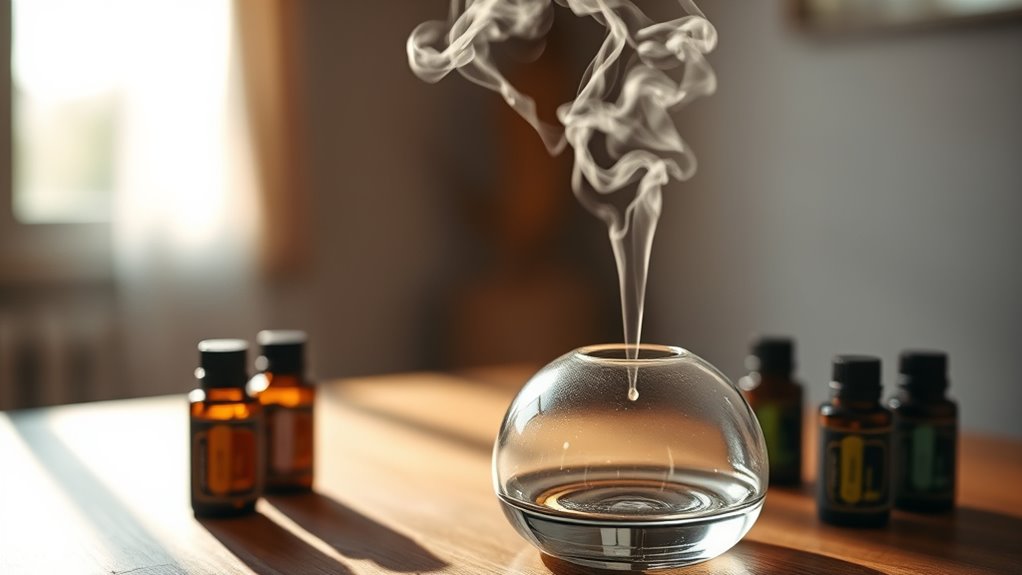

Aromatherapy uses plant oils, or essential oils, whose scents activate specific biological pathways in your brain. When you inhale these aromas, they trigger scent receptors that send signals to the limbic system—your emotional and memory center—affecting your mood and health. The quality of the oils and their chemical composition are key to their effectiveness. If you explore further, you’ll discover how science supports aromatherapy as a powerful wellness tool.

Get decor and gifts delivered free — and shop member deals
- Fast, free delivery on millions of items
- Access to Prime Big Deal Days deals on October 6–7
- Prime Video, Amazon Music and more included
Key Takeaways
- Aromatherapy uses carefully extracted essential oils to deliver therapeutic scent compounds that influence mood and health.
- Scents are detected by receptor cells in the nose, sending signals to the limbic system, which manages emotions and memories.
- Specific aromas activate receptor pathways linked to relaxation, alertness, or emotional well-being, explaining their physiological effects.
- The quality and purity of essential oils are critical for effective and consistent therapeutic outcomes.
- Scientific research confirms that scent interactions with brain receptors produce measurable psychological and physical health benefits.
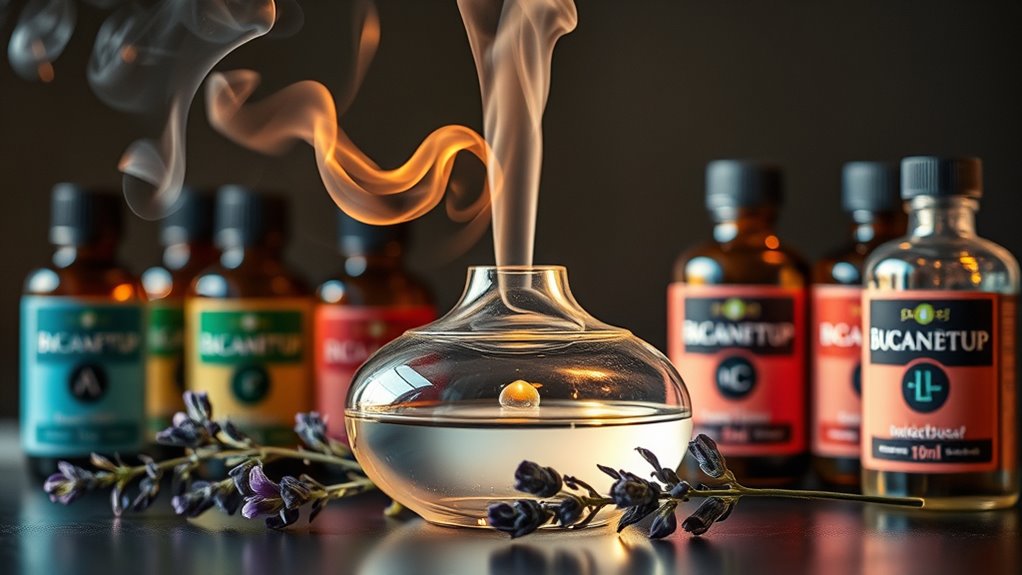
Aromatherapy harnesses the power of scents to influence your mood, health, and well-being, but recent scientific research is shedding light on how these fragrances truly work. At the core of this understanding lies the process of essential oil extraction, which involves carefully distilling plant materials to capture their aromatic compounds. This step is vital because the quality and composition of the essential oils determine their potential effects on your body and mind. Different methods, such as steam distillation or cold-pressing, help preserve the delicate molecules responsible for scent and therapeutic properties, ensuring that what you inhale or apply is both potent and pure.
Once the essential oils are prepared, the interaction between scent molecules and your body begins at the biological level. Scents travel through your nasal passages and are detected by specialized structures called scent receptor cells. These receptors, located in the olfactory epithelium, are finely tuned to recognize specific molecular patterns in the aroma compounds. When a scent receptor detects a familiar or soothing scent, it sends signals to your brain’s limbic system, which is involved in emotion, memory, and mood regulation. This biological pathway explains why certain aromas can evoke strong feelings or memories almost instantly.
Scent molecules trigger receptors that send signals to the limbic system, shaping emotions and memories instantly.
Your scent receptor biology is remarkably sophisticated. It involves a large family of receptor proteins that can bind to a diverse array of molecules, allowing your brain to distinguish thousands of different scents. When you breathe in essential oils, the molecules bind to these receptors, triggering neural responses that influence neurotransmitter release and brain activity. For example, lavender’s molecules may activate receptors linked to relaxation, helping to reduce stress and promote sleep. Conversely, invigorating scents like peppermint can stimulate receptors associated with alertness and focus.
Understanding the science behind scent receptor biology helps demystify how aromatherapy can produce tangible effects. It’s not just about pleasant smells; it’s about the complex interaction between chemistry and biology. When you choose specific essential oils, you’re tapping into this intricate communication system. The process begins with the extraction of aromatic compounds, continues through their recognition by your scent receptors, and culminates in neural responses that can alter your emotional state, reduce anxiety, or even improve your physical health. Moreover, the quality of essential oils plays a crucial role in ensuring their effectiveness, as pure and properly extracted oils contain the optimal concentration of active compounds. This scientific foundation confirms that aromatherapy isn’t just a placebo but a legitimate modality rooted in biological processes that influence your overall wellness.
high quality essential oils for aromatherapy
As an affiliate, we earn on qualifying purchases.
As an affiliate, we earn on qualifying purchases.
Frequently Asked Questions
Can Aromatherapy Replace Traditional Medical Treatments?
Aromatherapy can’t replace traditional medical treatments, but it plays a valuable role in holistic healing and alternative medicine. You can use essential oils to support your well-being, reduce stress, and complement your healthcare regimen. However, always consult your healthcare provider before relying solely on aromatherapy, especially for serious conditions. It’s best as a supportive tool rather than a replacement for professional medical care.
Are There Any Risks or Side Effects From Inhaling Essential Oils?
Inhaling essential oils can pose risks like allergic reactions or essential oil toxicity if overused or improperly diluted. You might experience skin irritation, respiratory issues, or headaches. Always use high-quality oils, follow proper dilution guidelines, and consult a healthcare professional if you have allergies or respiratory conditions. Being cautious helps you enjoy aromatherapy’s benefits without risking adverse side effects.
How Do Different Scents Scientifically Affect Brain Function?
Different scents influence your brain by modulating neurotransmitters like serotonin and dopamine, which affect your mood and alertness. For example, lavender calms your nervous system, while citrus energizes you. Scents also trigger emotional memory, activating brain regions linked to feelings and past experiences. This scientific process helps explain how fragrances can boost your well-being, enhance focus, or promote relaxation through direct effects on your brain’s chemistry.
Is There Standardized Regulation for the Quality of Essential Oils?
Did you know that less than 10% of essential oils on the market meet industry standards? There’s no universal regulation for their quality, so you should look for products with clear Quality Standards and reputable Certification Processes. These ensure the oils are pure and safe. Always check labels and certifications to guarantee you’re getting authentic, high-quality essential oils, safeguarding your wellness and trust.
Can Scent Therapy Be Personalized for Individual Wellness Needs?
Yes, scent therapy can be personalized for your wellness needs through personalized blends and tailored therapy. By working with an aromatherapist or experimenting with different essential oils, you can create scents that target your specific concerns, whether stress, sleep, or energy. This customized approach helps you maximize benefits, making your aromatherapy experience more effective and aligned with your unique health and emotional goals.
Conclusion
So, next time you spritz your favorite perfume or light a scented candle, remember—you’re basically wielding a tiny, aromatic superhero cape. Aromatherapy isn’t just about smelling nice; it’s about harnessing the power of scent to transform your mood faster than you can say “essential oil.” Who knew that a whiff of lavender could turn your stressful day into a stroll through a blooming garden? Smell smart, and let your nose do the heavy lifting!
Fall Picks
fall essentials
As an affiliate, we earn on qualifying purchases.