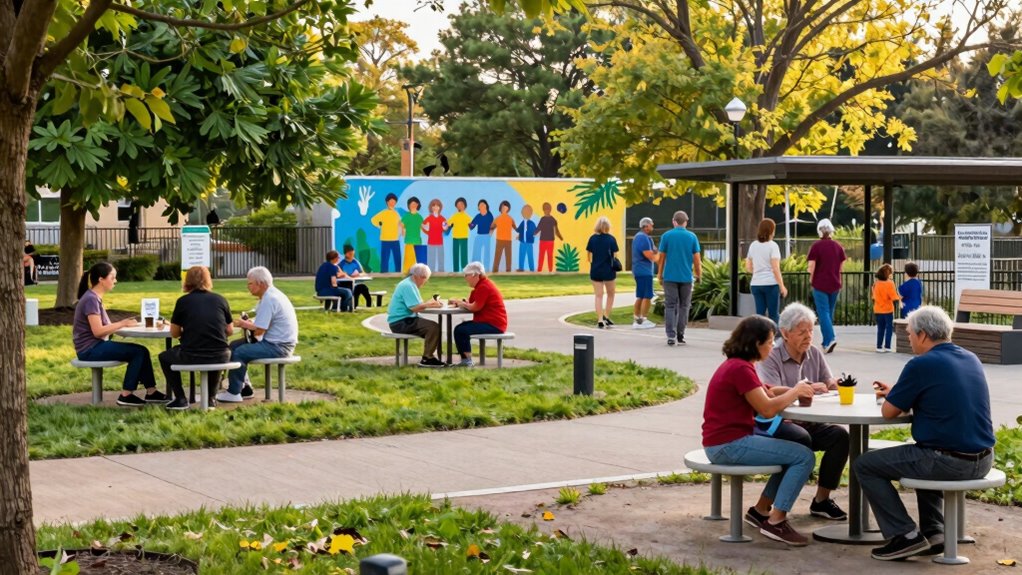

To make shared spaces feel fairer, involve everyone in decision-making and regularly seek their input through meetings or forums. Be transparent about rules and processes, explaining the reasons behind decisions. Address conflicts early and listen carefully to all sides to foster understanding. Apply rules consistently and adapt strategies based on feedback. Building trust through open communication, inclusivity, and respect creates a welcoming environment. Keep exploring ways to strengthen fairness and community cohesion to make everyone feel valued.

Get decor and gifts delivered free — and shop member deals
- Fast, free delivery on millions of items
- Access to Prime Big Deal Days deals on October 6–7
- Prime Video, Amazon Music and more included
Key Takeaways
- Facilitate inclusive community participation through regular open forums and collective decision-making.
- Establish clear, consistent rules and behavioral guidelines to ensure fairness and accountability.
- Promote transparent communication by openly sharing decisions and reasoning with all members.
- Address conflicts early with active listening and empathetic solutions to foster understanding.
- Adapt strategies over time based on feedback to continuously improve fairness and inclusivity.
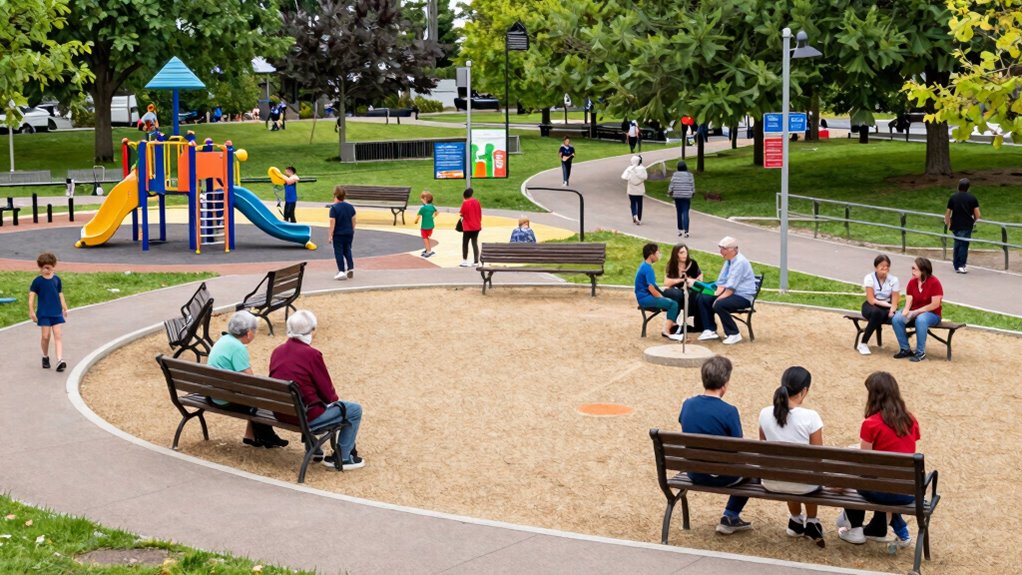
Shared spaces are essential environments that require fairness to function effectively. When everyone feels like their needs and concerns are considered, the space becomes more welcoming and productive. Your role in fostering this fairness is critical, especially when it comes to encouraging community participation and managing conflict resolution. The more engaged people are, the more likely they are to feel connected and responsible for the space’s well-being. Encouraging diverse voices to participate ensures that different perspectives are heard, helping to create a sense of ownership among all users. This inclusion discourages feelings of favoritism or neglect, which can breed resentment and tension. You can facilitate community participation by organizing regular meetings or open forums where everyone has a chance to voice their opinions. When people feel heard, they’re more likely to support collective decisions, strengthening the sense of fairness.
Conflict resolution plays an essential role in maintaining fairness in shared spaces. Disagreements are inevitable, but how you handle them can make all the difference. Instead of avoiding conflicts or dismissing concerns, approach disputes as opportunities for growth and understanding. Listen carefully to each side, validate their feelings, and work toward solutions that respect everyone’s needs. This process not only resolves tensions but also demonstrates your commitment to fairness. Establish clear guidelines for behavior and decision-making, so everyone understands what is expected and what consequences might follow if rules are broken. Consistent enforcement is key—applying rules fairly and transparently builds trust and discourages unfair treatment. Promoting transparency in decision-making can further reinforce trust and cooperation within the community. Recognizing and addressing conflict patterns early can prevent issues from escalating and help maintain a respectful environment. Additionally, understanding conflict resolution strategies is crucial for effectively managing disputes and fostering harmony. Incorporating effective communication techniques can significantly improve how conflicts are addressed and resolved.
Transparency in decision-making processes further boosts fairness. When community members know how and why decisions are made, they’re more likely to accept outcomes—even if they don’t always agree. Sharing information openly and explaining your reasoning helps prevent misunderstandings and feelings of exclusion. Additionally, creating opportunities for feedback allows people to express concerns or suggest improvements, making the environment more participatory and fair. Recognizing and valuing different contributions fosters a culture of respect and mutual understanding, which supports conflict resolution efforts. Consistent communication and openness are vital components of a fair environment, helping to build long-term trust. Maintaining a culture of transparency also encourages accountability and shared responsibility among community members. Ultimately, creating a fair shared space requires ongoing effort. Your commitment to community participation, transparent communication, and effective conflict resolution can transform a neutral environment into a thriving hub where everyone feels valued. When fairness is prioritized, the space becomes not just a shared area, but a community where cooperation and respect flourish. This continuous process of listening, adapting, and involving everyone ensures that the space remains equitable and welcoming for all.
shared space community meeting organizer
As an affiliate, we earn on qualifying purchases.
As an affiliate, we earn on qualifying purchases.
Frequently Asked Questions
How Do Cultural Differences Impact Shared Space Fairness?
Cultural differences greatly influence how fairness is perceived in shared spaces. You might find that cultural perceptions shape what people consider fair, with some valuing equality and others prioritizing harmony or hierarchy. Fairness norms vary widely, so you should acknowledge these differences when managing shared spaces. By understanding and respecting diverse cultural perceptions, you can foster a more inclusive environment where everyone feels their needs are fairly considered.
Can Technology Improve Fairness in Shared Environments?
You bet technology can help! By integrating fairness algorithms, you can guarantee resources are shared equitably, and technology facilitates transparent communication. These tools act as a level playing field, preventing favoritism and misunderstandings. When you leverage technology integration thoughtfully, you create an environment where everyone feels valued and fairly treated, turning a potentially rocky situation into smooth sailing. It’s a smart move to make shared spaces more just for all involved.
What Role Does Leadership Play in Maintaining Fairness?
Leadership plays a vital role in maintaining fairness by demonstrating accountability and making ethical decisions. When you lead with integrity, you set a standard that others follow, fostering trust and respect. You guarantee everyone’s voice is heard and conflicts are addressed fairly. By prioritizing transparency and responsibility, your leadership helps create an environment where shared spaces feel equitable, encouraging cooperation and positive interactions among all users.
How to Address Conflicts Arising From Perceived Unfairness?
When conflicts arise from perceived unfairness, you should focus on perception management and conflict resolution. Acknowledge everyone’s feelings, listen actively, and clarify misunderstandings. Address concerns transparently and involve everyone in finding solutions. By fostering open communication and demonstrating fairness, you can reduce tensions. Remember, managing perceptions is key—show that you value all perspectives, and work collaboratively to restore a sense of fairness and harmony in shared spaces.
Are There Specific Strategies for Different Types of Shared Spaces?
Did you know that 65% of conflicts in shared spaces stem from unclear resource allocation? To address different types of shared spaces, establish community guidelines that suit each setting—like co-working areas or parks. Clear rules help manage expectations, ensuring fair resource distribution. Regularly review and adjust these guidelines to reflect everyone’s needs, fostering a sense of fairness and community. This approach keeps shared spaces welcoming and equitable for all users.
Conclusion
By actively listening and respecting each other’s needs, you can transform shared spaces into havens of fairness and harmony. Remember, your small actions ripple outward, creating a wave of mutual understanding that can outlast even the most enduring landmarks. When everyone feels heard and valued, fairness isn’t just an ideal—it’s a living, breathing reality. So, embrace empathy and cooperation, and watch your shared space become a sanctuary where everyone thrives, as if carried by the gentle current of genuine respect.
Fall Picks
fall essentials
As an affiliate, we earn on qualifying purchases.