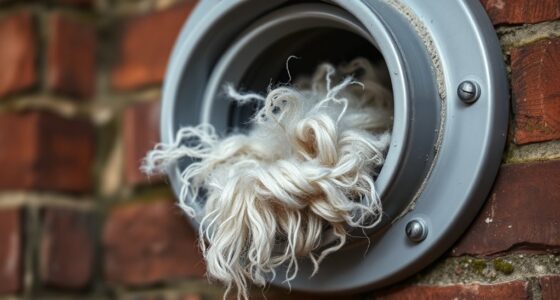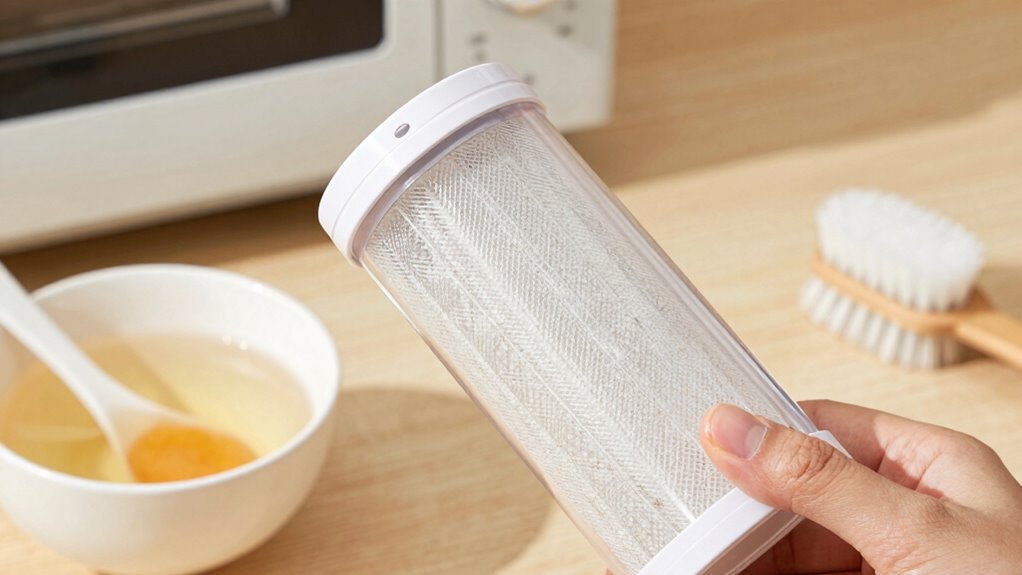

To keep your home’s airflow strong, spend three minutes checking and replacing your air filter regularly. Inspect the filter monthly for dirt, dust, or clogging. If it looks dirty or reduces airflow, swap it out promptly. Using the right filter and ensuring it fits snugly helps maintain system efficiency. Staying consistent with this quick habit prevents strain on your HVAC and improves air quality. Keep going, and you’ll discover more tips to optimize your filter maintenance.

Get decor and gifts delivered free — and shop member deals
- Fast, free delivery on millions of items
- Access to Prime Big Deal Days deals on October 6–7
- Prime Video, Amazon Music and more included
Key Takeaways
- Check filters monthly for dirt buildup and airflow restriction.
- Replace filters when visibly dirty or if airflow decreases.
- Keep spare filters ready for quick, on-the-spot replacements.
- Use proper technique to handle filters and prevent dust spreading.
- Set regular reminders to ensure consistent, timely filter maintenance.
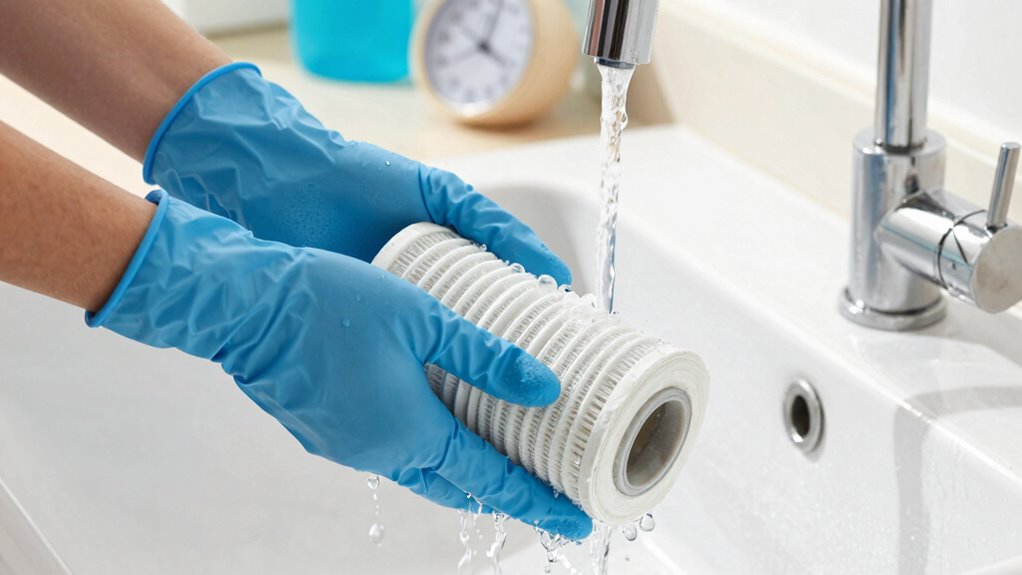
Have you ever wondered how often you should clean or replace your filters to keep your systems running smoothly? Understanding the air filter lifespan is key to maintaining ideal airflow and efficiency in your home or workplace. Typically, filters need replacement every 1 to 3 months, but this can vary based on the type of filter, your environment, and usage. Recognizing the signs that your filter needs attention helps prevent strain on your HVAC system and guarantees you breathe clean air. Regularly inspecting your filters is a simple yet effective way to stay ahead of potential issues.
Regularly inspect and replace filters every 1 to 3 months for optimal airflow and system efficiency.
When it comes to filter replacement tips, the first step is to know your specific filter type. Some filters are designed to last longer—up to six months—while others, especially those in high-use areas, might need replacement more frequently. A good rule of thumb is to check your filter monthly. If it appears dirty or clogged, it’s time to swap it out. Remember, a dirty filter restricts airflow, forcing your system to work harder, which can increase energy bills and reduce its lifespan. Keeping a schedule for inspection and replacement helps you avoid neglect and guarantees your system remains efficient.
In addition to regular inspections, consider implementing a filter change routine aligned with your system’s needs. For example, if you have pets, allergies, or live in a polluted area, you might need to replace filters more often. Using high-efficiency filters can also extend the air filter lifespan, providing better filtration and less frequent replacements. When replacing filters, always follow the manufacturer’s instructions. Proper fit is vital—an ill-fitting filter can allow dust and debris to bypass it, reducing its effectiveness. Make it a habit to note the date of installation, so you remember when it’s time for the next change.
To make filter maintenance even easier, set a reminder on your phone or calendar. Keeping a visual cue helps establish a routine, preventing you from forgetting to replace filters. Also, consider having spare filters on hand, so you’re ready when it’s time for a change. Proper filter replacement tips include handling filters carefully to avoid releasing trapped debris into the air and disposing of used filters properly to prevent spreading dust. Regularly changing your filters is a quick, three-minute habit that pays off by maintaining strong suction, improving indoor air quality, and prolonging your system’s lifespan. Staying mindful of filter technology can also help you select the best options for your needs. When you stay on top of filter maintenance, you’ll enjoy more efficient operation, lower energy costs, and cleaner air every day.
As an affiliate, we earn on qualifying purchases.
Frequently Asked Questions
How Often Should I Replace My Vacuum Filters?
You should replace your vacuum filters every 3 to 6 months, depending on the filter material and usage. If you notice reduced suction or increased dust, it’s time for a replacement. Regularly check your filter’s condition and follow your manufacturer’s recommended replacement frequency. This guarantees peak performance and keeps your vacuum working efficiently, preventing strain on the motor and maintaining clean air in your home.
Can I Use Any Cleaning Solution on Filters?
Think of your vacuum filters as your home’s first line of defense—using the wrong cleaning solution can weaken that shield. You should only use safe cleaning solutions recommended by the manufacturer, like mild soap and water, for filter cleaning tips. Avoid harsh chemicals or anything too abrasive, as they can damage the filter material. Always check the manual to make certain you’re using the best, safest cleaning method to keep your vacuum performing at its best.
Are There Different Filters for Different Vacuum Models?
Yes, there are different filters for various vacuum models. You need to check filter compatibility to guarantee you select the right model-specific filters. Using incompatible filters can reduce suction strength or damage your vacuum. Always refer to your vacuum’s manual or manufacturer’s website to find the correct filters for your specific model. Regularly replacing or cleaning these filters will keep your vacuum performing at its best.
What Signs Indicate a Filter Needs Replacing?
Imagine your vacuum’s filter as a crucial gatekeeper, catching debris to keep suction strong. When you notice filter discoloration or unusual odors, it’s a sign it’s time to replace it. These visual clues and smells indicate buildup and reduced efficiency. Don’t ignore them — swapping out the filter restores power, keeps your home fresh, and guarantees your vacuum performs like new. Regular checks make cleaning effortless and effective.
How Does Filter Maintenance Affect Overall Vacuum Lifespan?
Regular filter maintenance directly impacts your vacuum’s lifespan by preventing clogs and motor strain. When you clean or replace filters timely, you extend their life and ensure peak suction. Neglecting maintenance shortens filter lifespan, causing the vacuum to work harder and wear out faster. By sticking to a simple routine, you preserve your vacuum’s efficiency, save money on repairs, and enjoy consistent cleaning performance over the years.
Conclusion
Keep up with your filter maintenance—it’s a quick, 3-minute habit that keeps suction strong and your device running smoothly, just like the well-oiled machines of yore. Don’t let neglect turn your trusty vacuum into a relic of the past; instead, embrace this simple routine every few weeks. Remember, even the most advanced tech can’t work its magic without a clean filter. Stay diligent, and your device will serve you faithfully, long after the days of knights and castles.
Fall Picks
fall essentials
As an affiliate, we earn on qualifying purchases.