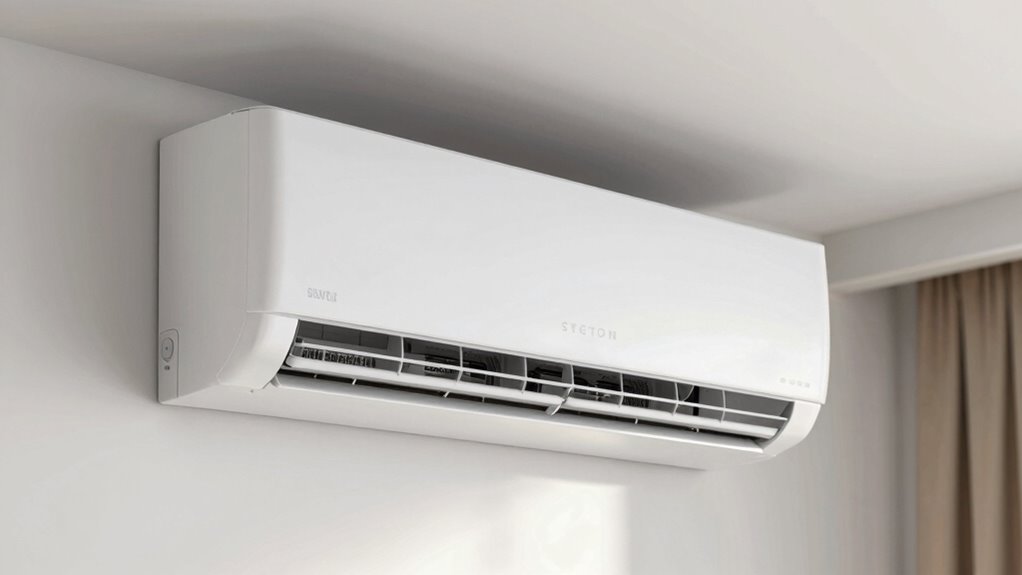

Choosing the wrong BTU size for your AC can make it feel weak and ineffective. If your unit is too small, it struggles to cool your space during peak heat, leaving it hot and uncomfortable. Oversized units cycle quickly and don’t remove humidity properly, also causing discomfort. Proper BTU sizing depends on your room size, insulation, and sunlight. Stay with us to uncover how selecting the right size improves your comfort and saves energy.
Play games included with Prime
Start a Prime free trial and play with Amazon Luna on your devices.
As an affiliate, we earn on qualifying purchases.
Key Takeaways
- Using an AC with too low BTUs can’t effectively cool the space, making it feel weak and insufficient.
- Undersized units run constantly, struggling to maintain desired temperatures and reducing comfort.
- Proper BTU sizing ensures efficient cooling without short cycling or energy waste.
- Incorrectly low BTU ratings cause the AC to feel underpowered, especially during peak heat.
- Accurate sizing balances cooling capacity and energy use, preventing the “weak” feeling caused by mismatched BTUs.
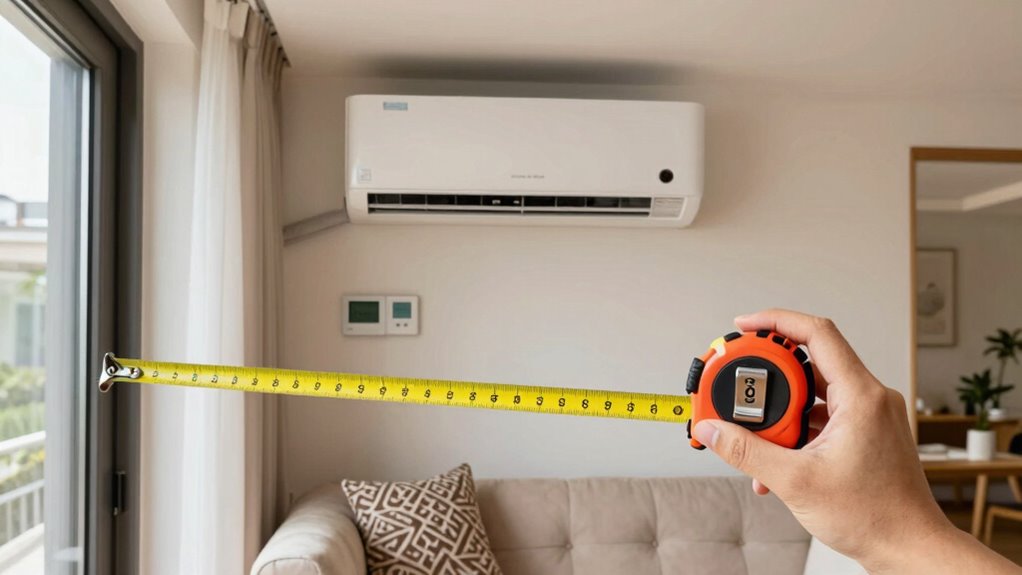
Have you ever wondered what BTUs really mean and why they matter? Understanding BTUs, or British Thermal Units, is key to ensuring your air conditioner works effectively. BTUs measure the amount of heat an AC unit can remove from a space in an hour, directly impacting its cooling capacity. When you choose an AC, selecting the right BTU rating isn’t just about getting a cool room—it’s about optimizing energy efficiency and comfort. If the unit’s BTUs are too low for your space, it won’t be able to cool effectively, and you might feel like your AC is weak or underperforming. Conversely, an oversized unit with too many BTUs will cycle on and off rapidly, wasting energy and reducing efficiency. So, understanding the significance of BTUs helps you find a balance that maximizes energy efficiency while providing adequate cooling capacity.
Many people think that bigger is better when it comes to AC units, but that’s a common mistake. A unit with a higher BTU rating than necessary will often cool a room quickly but won’t run long enough to dehumidify the air properly. This results in a space that still feels uncomfortable, sticky, or damp, despite the high cooling capacity. On the other hand, an undersized AC struggles to keep up with the heat load, especially during peak summer days. It runs constantly, consuming more energy and increasing your utility bills, while still failing to provide consistent comfort. Properly sizing your air conditioner based on your space’s specific heat load and size is essential for energy efficiency, saving you money and ensuring the unit’s longevity. Recognizing the importance of appropriate sizing can prevent these common mistakes and optimize your cooling system’s performance.
Getting the right BTU rating means considering not only the size of your room but also other factors like insulation, window size, sunlight exposure, and the number of occupants. When you match the AC’s cooling capacity to these factors, you optimize energy efficiency, reducing unnecessary power consumption. This precise sizing allows your unit to run smoothly, maintain consistent temperatures, and avoid short cycling. It also helps prevent the strain on the compressor, prolonging the lifespan of your air conditioner. In short, understanding how BTUs relate to cooling capacity and energy efficiency empowers you to make smarter choices, avoid common sizing mistakes, and enjoy a comfortable, efficiently cooled space year-round.
best 12,000 BTU window air conditioner
As an affiliate, we earn on qualifying purchases.
As an affiliate, we earn on qualifying purchases.
Frequently Asked Questions
How Does Insulation Affect BTU Requirements for Cooling?
Insulation impacts your BTU requirements considerably by increasing thermal resistance. When your home has good insulation, it keeps heat out in summer and retains warmth in winter, reducing the cooling load. This means you need fewer BTUs to cool your space effectively. Conversely, poor insulation lowers thermal resistance, causing your AC to work harder and require more BTUs to maintain comfort. Always consider insulation quality when sizing your air conditioner.
Can Oversized AC Units Cause Humidity Problems?
Yes, oversized AC units can cause humidity problems. When your unit cools too quickly, it short-cycles, reducing the time it runs to remove moisture effectively. To help, guarantee proper thermostat placement, avoiding direct sunlight or drafts, and maximize window shading to reduce heat gain. These steps improve humidity control, making your space more comfortable and preventing issues caused by an oversized AC, like excess moisture and mold growth.
What Role Does Climate Play in Choosing the Right BTU?
Climate plays a vital role in choosing the right BTU because regional differences and climate considerations affect your cooling needs. If you live in a hot, humid area, you’ll need a higher BTU to effectively cool your space and control humidity. Conversely, milder climates require less. By understanding your local climate, you guarantee your AC unit is properly sized, providing comfortable, efficient cooling without wasting energy or facing performance issues.
How Often Should I Service My AC to Maintain Efficiency?
Maintain your AC regularly to maximize performance and prevent pricey repairs. Typically, you should service your unit at least once a year, preferably before peak cooling season. Consistent maintenance minimizes malfunctions and maximizes efficiency, ensuring your AC cools comfortably and costs less to operate. Regular service benefits include improved air quality, extended lifespan, and reliable cooling, helping you stay cool and comfortable all season long.
Are There Alternative Methods to Improve Cooling Without Increasing BTUS?
You can improve cooling without increasing BTUs by enhancing ventilation and shading. Improve ventilation by installing exhaust fans or opening vents to increase airflow, which helps remove hot air and bring in cooler air. Use shading strategies like outdoor awnings, tree shade, or reflective window films to block heat gain from sunlight. These methods reduce indoor temperatures naturally, making your AC feel stronger without needing more BTUs.
Conclusion
Understanding BTUs is like finding the perfect fit for your AC—too small and it struggles, too big and it wastes energy. When you size your unit correctly, you’re giving it the right shoes to walk comfortably through summer’s heat. So, don’t let a sizing mistake trip you up; get it right, and your AC will feel as confident as a well-tuned engine, keeping your space cool without breaking a sweat.
NFL season / tailgating Picks
team gear
As an affiliate, we earn on qualifying purchases.