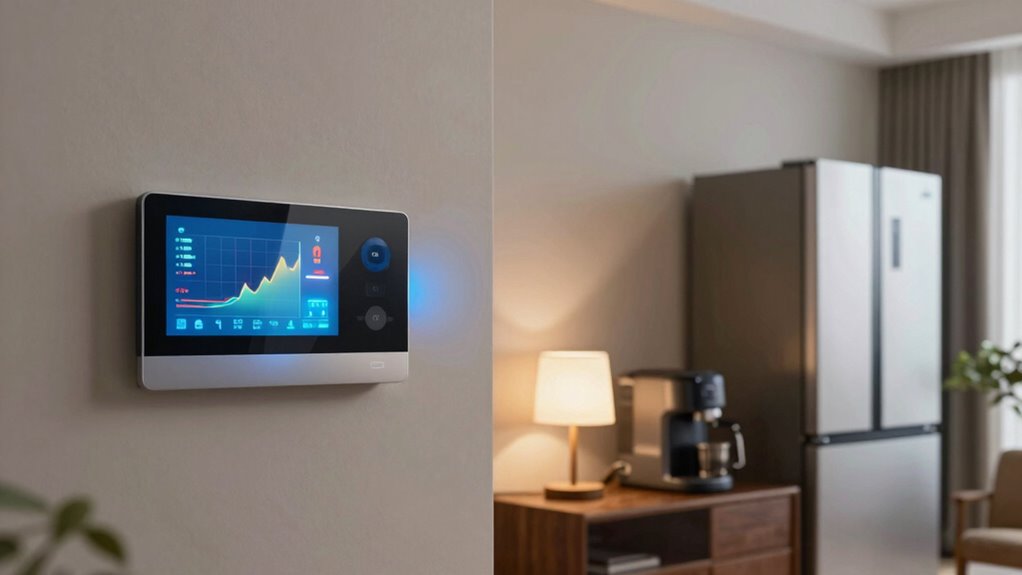

Demand response programs work by using your smart devices to automatically shift energy consumption during peak times. Your smart thermostats, appliances, and electric vehicle chargers can delay or reduce usage when demand is high, helping to prevent blackouts and lower costs. These programs often offer incentives like bill credits or discounts for participation. If you want to see how your home can contribute to a more stable and efficient energy system, keep exploring the options available.
Prime for Young Adults — start your free trial
Fast free delivery, streaming and member deals for eligible 18–24 year olds.
As an affiliate, we earn on qualifying purchases.
Key Takeaways
- Smart devices can automatically delay or adjust energy consumption during peak times to reduce grid stress.
- They enable load shifting by operating appliances like washers or chargers during off-peak hours.
- Participation in demand response is incentivized through bill credits, discounts, and rewards.
- Smart home integrations allow seamless communication between devices and the grid for demand management.
- Collective device adjustments help prevent blackouts and promote a more resilient, sustainable energy system.
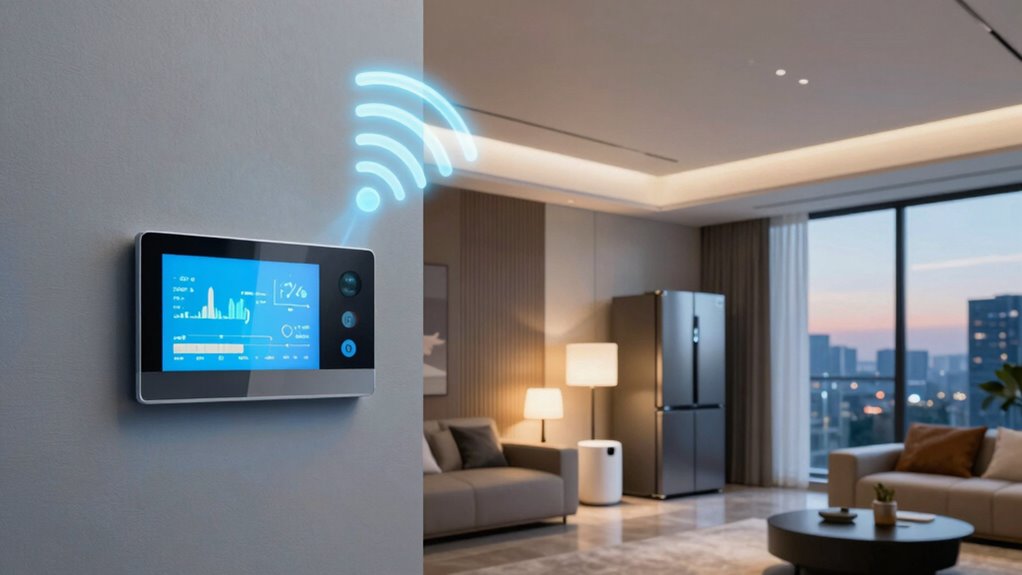
Have you ever wondered how electricity providers manage sudden spikes in demand? It’s a complex process that involves more than just turning up power plants. One key tool they use is the smart grid, which integrates advanced communication and control technologies to create a more flexible and responsive energy system. Unlike traditional grids, a smart grid can monitor real-time energy usage across neighborhoods and even individual homes, allowing utilities to respond quickly to changing demands. When demand surges unexpectedly, the smart grid can communicate with compatible devices in your home, prompting them to adjust their energy consumption. This is where demand response programs come into play, leveraging the capabilities of smart devices to shift energy use during peak times.
Through these programs, your home appliances, heating systems, and even electric vehicles can participate in load management. For example, your smart thermostat might temporarily lower the temperature during a high-demand period, reducing the strain on the grid. This not only prevents blackouts but also helps stabilize energy prices. To make participation more appealing, many utilities offer energy incentives, encouraging you to be part of the solution. These incentives can come in the form of bill credits, discounts, or other rewards for adjusting your energy use at specified times. By taking advantage of these programs, you’re not just saving money—you’re contributing to a more sustainable energy system. The smart grid’s ability to communicate with your devices makes it easier than ever to participate effortlessly. Additionally, the integration of European cloud servers can enhance the security and efficiency of these energy management systems.
Your smart home systems are designed to be user-friendly, so you might not even notice these adjustments. For instance, your smart washer could delay its cycle until off-peak hours, or your electric vehicle charger might automatically operate during times when electricity is cheaper and demand is lower. These small shifts, when aggregated across many households, markedly reduce the stress on the grid during critical moments. It’s a win-win situation: you get financial incentives, and the utility maintains a reliable, efficient energy supply. As more households adopt smart devices and participate in demand response programs, the overall system becomes more resilient and environmentally friendly. So, next time you see a notification about adjusting your energy use, remember that your actions play a crucial role in shaping a smarter, more sustainable energy future.
smart thermostat for demand response
As an affiliate, we earn on qualifying purchases.
As an affiliate, we earn on qualifying purchases.
Frequently Asked Questions
How Do Smart Devices Communicate During Demand Response Events?
During demand response events, you’ll see smart devices communicate using device communication and signal protocols like Zigbee, Z-Wave, or Wi-Fi. These protocols enable devices to send and receive signals quickly and reliably. When a utility sends a demand response signal, your smart devices interpret the message and adjust energy consumption accordingly, helping balance the grid and save energy. This seamless communication keeps everything running smoothly without your manual input.
What Are the Privacy Implications of Participating in Demand Response Programs?
Participating in demand response programs raises privacy concerns, especially around data security and user consent. You need to be aware that your energy usage data could be shared or accessed without your permission, risking privacy breaches. To protect yourself, make certain your utility or service provider obtains clear user consent and implements strong data security measures. Stay informed about how your data is used, and actively manage your privacy settings to maintain control.
Are There Costs Associated With Installing Smart Devices for Demand Response?
Yes, there are costs associated with installing smart devices for demand response. You’ll need to cover installation costs, which can include professional setup and equipment purchase. Additionally, maintenance expenses might arise over time to keep devices running efficiently and securely. While these costs vary depending on the system and provider, it’s essential to take into account both upfront installation expenses and ongoing maintenance when evaluating participation.
How Quickly Can Energy Usage Be Adjusted in Response to Signals?
You can typically see adjustments in your energy usage within seconds to minutes, thanks to load flexibility and response latency. Smart devices are designed to respond swiftly once they receive signals, enabling real-time control. This quick reaction helps balance the grid efficiently, reduce costs, and optimize energy consumption. Your smart system’s responsiveness is vital for effective demand response, ensuring you contribute to a more reliable and sustainable energy future.
Can Demand Response Programs Impact the Lifespan of Smart Devices?
Demand response programs can affect your smart device’s lifespan, but it’s not a foregone conclusion. Constantly adjusting your device’s operations may wear down components over time, impacting durability. However, manufacturers often release firmware updates that optimize performance and extend device life. If you stay current with updates and monitor how your device responds during demand shifts, you can help preserve its longevity while benefiting from energy savings.
Conclusion
As you see, demand response programs and smart devices work together like a well-choreographed dance, shifting energy use when it’s needed most. It’s almost funny how a simple tap on your phone can help save the grid and reduce costs — all while you’re just going about your day. So, next time you tweak your smart thermostat, remember, you’re part of a bigger, smarter solution that benefits everyone, including yourself.
Fall yard work Picks
leaf blowers
As an affiliate, we earn on qualifying purchases.