You need to give your large home safe better placement because it boosts security, prevents environmental damage, and guarantees quick access in emergencies. Placing it in obvious spots or near exterior walls makes it easier for intruders to find or tamper with. Instead, hidden, sturdy, and stable locations help protect your valuables from theft, fire, and moisture. If you want to improve your safe’s safety and accessibility, keep these tips in mind to make smarter placement choices.
Key Takeaways
- Proper placement enhances security by making safes less visible and harder for intruders to locate.
- Strategic positioning protects contents from environmental damage like moisture and temperature fluctuations.
- Discreet locations reduce the risk of theft or tampering during emergencies.
- Well-placed safes allow quick access in crises without compromising concealment.
- Avoiding obvious or exterior locations minimizes vulnerability to environmental and criminal threats.

When it comes to protecting your valuable belongings, choosing the right placement for a large home safe is essential. Many homeowners overlook this step, thinking that simply buying a sturdy safe is enough. But where you put it makes all the difference in ensuring your items stay secure in emergencies like fires or burglaries. A well-placed safe allows you to access your valuables easily while also deterring intruders. It’s worth considering that modern safes often feature fireproof materials, designed to withstand high temperatures and protect documents, jewelry, and digital media from fire damage. These materials can buy you crucial extra minutes during a blaze, but only if the safe isn’t exposed or easily discovered.
Choosing the right safe placement enhances security, accessibility, and fire protection for your valuables.
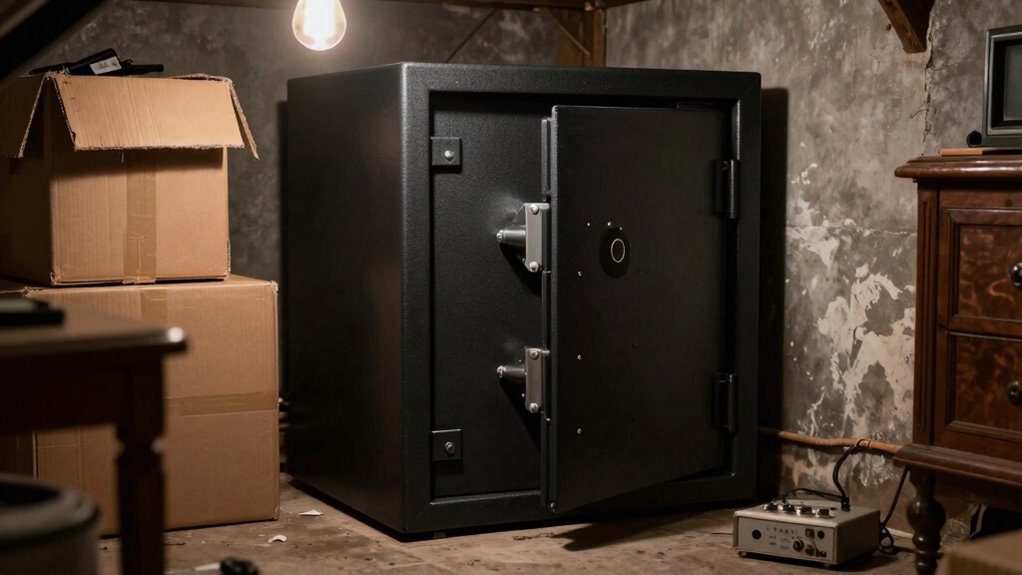
You should also think about integrating biometric locks into your safe. These high-tech security features provide quick and reliable access, but their effectiveness depends heavily on placement. If your safe is hidden in a concealed spot, it’s less likely intruders will stumble across it, especially if it’s protected by advanced locking mechanisms like biometric access. Proper placement also minimizes the risk of tampering or forced entry. For example, setting the safe in a closet or a discreet corner makes it less obvious to someone scouting your home. Conversely, placing it in plain sight or in an obvious location defeats much of its security purpose.
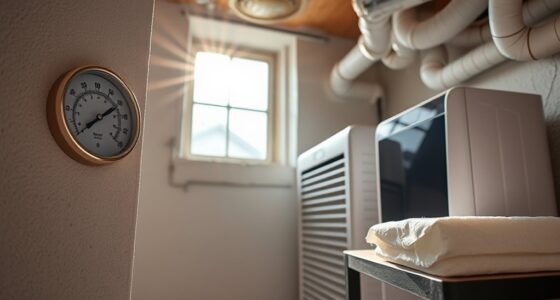
Don’t forget that the environment around your safe matters, too. Moisture, extreme temperatures, or accidental bumps can damage your valuables or compromise the safe’s integrity. For this reason, placing your large safe in a dry, stable, and somewhat hidden area is ideal. Think about locations that aren’t exposed to sunlight or fluctuating temperatures, which can weaken fireproof materials over time. Additionally, avoid placing your safe near windows or exterior walls where it may be vulnerable to theft or environmental factors.
Another critical aspect is accessibility. You want your safe to be easy for you to reach in an emergency but hard for others to find or access without permission. This balance means choosing a spot that’s convenient yet discreet. If you own a biometric lock, you benefit from quick access, but you still need to ensure the safe isn’t exposed to potential damage or theft. Remember, the right placement isn’t just about security; it’s also about practicality. A safe hidden in a closet or behind a false wall can serve both purposes well.
In the end, the placement of your large home safe plays a crucial role in safeguarding your most valuable possessions. It’s worth taking the time to evaluate your options, considering fireproof materials, biometric locks, and environmental factors. Your careful planning can make all the difference during a crisis, ensuring your valuables stay protected no matter what.

Elder Welder® Hidden Wall Safe with Air Vent Cover, Combination Lock
- Easy Installation: Install in under 20 minutes with manual and video
- Secure & Durable: Robust metal safe with vent cover and combination lock
- Large Storage Capacity: Over 300 cubic inches for documents, cash, or valuables
As an affiliate, we earn on qualifying purchases.
As an affiliate, we earn on qualifying purchases.
Frequently Asked Questions
How Do I Determine the Best Location for My Home Safe?
To find the best location for your home safe, consider safe concealment and security enhancements. You should choose a discreet spot, like inside a closet or behind a false wall, away from obvious view. Avoid easy access points like bedrooms or near entrances. Make certain the safe is anchored securely to prevent theft, and hide it well to protect your valuables from potential intruders. Proper placement maximizes your safe’s effectiveness and peace of mind.
Are There Legal Restrictions on Where I Can Place a Safe?
Yes, there are legal restrictions on where you can place a safe. You should avoid installing it in areas that compromise safe concealment or violate local fire or building codes. For theft deterrent, position your safe discreetly, away from obvious spots. Always check local regulations and homeowners’ association rules, ensuring your placement doesn’t breach any legal requirements or compromise safety standards.
How Often Should I Change the Safe’s Placement?
Think of your safe as a secret garden that needs fresh soil to stay secure. You should change its placement periodically, maybe every 6 to 12 months, to maintain safe concealment and keep potential intruders guessing. Accessibility considerations are essential—you want it hidden enough to deter theft but still easy for you to access when needed. Regular repositioning ensures your safe remains a reliable safeguard for your valuables.
What Tools Are Needed to Securely Install a Large Safe?
To securely install a large safe, you’ll need tools like a drill, masonry bits, a wrench, and a level. Focus on safe bolting by anchoring it into a concrete or solid floor, ensuring it’s firmly fixed. Use a level to verify proper alignment. For added security, consider concealed access methods, like hiding the safe behind a false wall or within furniture, making it harder for intruders to locate.
Can Hidden Safe Placement Affect Home Insurance Policies?
Hidden safe placement can positively affect your home insurance policies by demonstrating proper safe concealment, which reduces theft risk. Insurance companies often favor well-hidden safes, viewing them as less vulnerable to burglars. This could lead to lower premiums or better coverage terms. Conversely, poorly placed safes might raise concerns about security, potentially impacting your insurance implications negatively. Always guarantee your safe’s placement aligns with recommended security practices to optimize your coverage.
Conclusion
Remember, your large home safe isn’t just a box; it’s your peace of mind, your security, your safeguard. Prioritize its placement—hidden, accessible, discreet—because the right spot makes all the difference. Think carefully, plan thoughtfully, and act wisely. Your valuables deserve protection, your family needs reassurance, and your peace of mind depends on your choice. Secure your safe where it’s unseen, where it’s accessible, where it’s protected—because smart placement is your best safeguard.