
TL;DR

Get decor and gifts delivered free with Prime
- Fast, free delivery on millions of items
- Prime Video, Amazon Music and more included
- Member-only deals all year
An Livingetc report cites bathroom designers and plumbing professionals who warn that poor extraction can allow moisture to build up, risking condensation, mold and damage to finishes and cabinetry. They recommend planning mechanical ventilation early, including in bathrooms with windows; exact fan and regulatory requirements depend on the project and local rules.
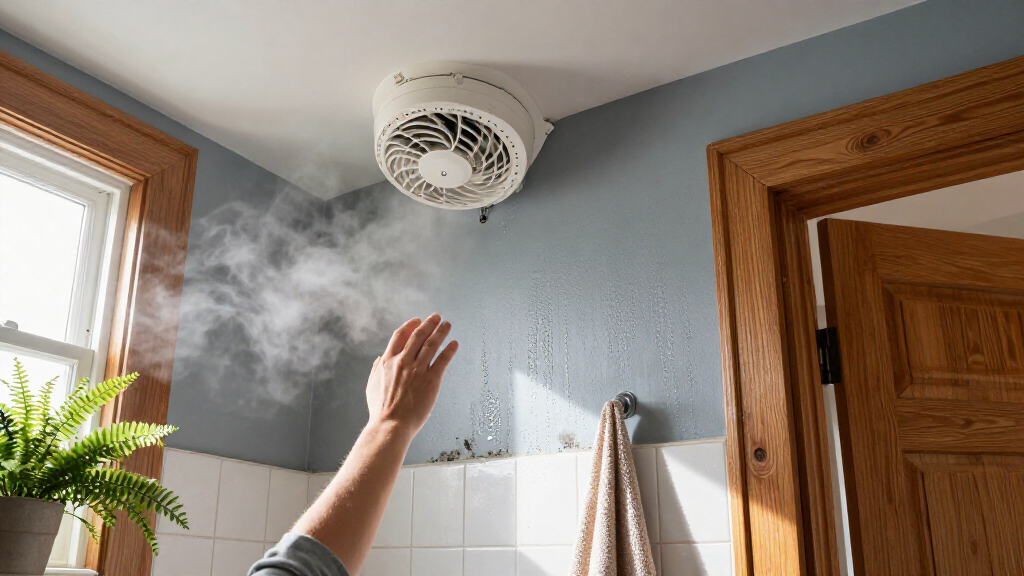
Bathroom ventilation should be planned as part of a renovation, not left until the finishing stages, according to designers and plumbing professionals quoted in a Livingetc report. They warn that persistent moisture can contribute to condensation, mold and damage to paint, cabinetry and other finishes, including in bathrooms with windows.
The report describes extraction as a practical protection for the room and its materials. Arezoo Pouya, a design and sales consultant at West One Bathrooms, says poor planning can leave homeowners paying more to address damp and mold after the bathroom is finished. Manuela Hamilford, creative director of Hamilford Design, points to natural stone, timber cabinetry and specialist wall finishes as materials that may be harmed by ongoing moisture.
Experts recommend deciding on the fan and its position during the design stage, when ducting and wiring can be routed before ceilings are closed and tiling begins. Retrofitting remains possible, but the amount of disruption depends on the layout and access. Kunal Trehan of Touched Interiors says a bathroom beside an outside wall may be simpler to modify than an internal bathroom, where work could involve opening a ceiling or adding boxing.
The report says a window may not clear steam quickly enough, particularly after hot showers or in colder weather. Anthony Calvert-Harrison of Levan House Design recommends mechanical extraction for bathrooms containing a bath or shower, while noting that a window may be an acceptable alternative for a separate toilet room. The report also describes a system that runs at low speed and increases extraction when humidity rises, but does not provide fan specifications or performance measurements.
Moisture Can Damage Costly Finishes
The practical concern is cumulative exposure: if steam and moisture linger, a bathroom’s surfaces and fittings may deteriorate. Experts interviewed by Livingetc cite possible outcomes including fogged mirrors, swelling cabinetry, peeling or bubbling paint, damp and mold. These are expert warnings, not a guarantee that every poorly ventilated room will develop each problem.
Ventilation choices can also affect renovation cost and appearance. Planning duct routes and fan placement early can give designers more options to conceal equipment and avoid reopening finished ceilings or walls. That matters to homeowners investing in materials such as timber, stone or specialist coatings, which may be expensive to repair or replace if moisture damage occurs.
Mechanical extraction is not a substitute for checking the details of a particular project. The appropriate fan, installation and operating setup depend on the room and its design. Homeowners should seek qualified advice and check applicable local building regulations before work begins.
Products Worth Considering

Ring Alarm 14-Piece Wireless Security System Kit

Philips Hue White and Color Ambiance Smart Light Starter Kit with Bridge and 4 A19 Bulbs

Arlo Pro Wireless Security Camera, 2K HDR, 6th Generation, 4-Camera Kit
As an affiliate, we earn on qualifying purchases.
Plan Fans Before Finishing Work
Bathroom fans can be installed in different locations, including walls, windows or ceilings, and the report notes that fan type and duct route should be considered with lighting and other design details. Its guidance is to settle the ventilation plan early and install the necessary ducting and wiring while the room is still accessible.
For an existing bathroom, the first step is to establish whether an extractor is present and whether it needs updating. A window can provide ventilation, but the experts quoted in the report caution that it may not manage moisture effectively in a bathroom with a bath or shower. The report says requirements for new builds and full renovations can include mechanical extraction, but homeowners should confirm the rules that apply in their area rather than assume one standard covers every project.
““Condensation leads to mold and damp, and fixing that once the bathroom is finished costs far more than planning it properly from the start.””
— Arezoo Pouya, design and sales consultant at West One Bathrooms
Fan Rules Depend on the Project
The report does not give a publication date, numerical fan-capacity guidance, or a complete list of applicable building rules. It also does not quantify how much extraction reduces the risk of damage. The advice is based on comments from design and plumbing professionals rather than a comparative study.
Requirements can vary by location and by the scope of work. It is not clear from the report which specific rules apply to an individual renovation, or which fan would suit a particular room. Homeowners should check local regulations and get project-specific advice before choosing equipment.
Check Requirements Before Renovating
For anyone planning bathroom work, the next step is to discuss ventilation during the layout and services planning, before ceilings are closed or finishes installed. Confirm how the fan will be positioned, where ducting can run, and whether the existing system needs replacement.
Before work begins, check local building regulations and consult appropriately qualified professionals about the installation. The Livingetc report offers general planning advice, but does not set out a universal fan specification or replace local code guidance.
Key Questions
Can an openable bathroom window replace an extractor fan?
Not necessarily. Experts quoted by Livingetc say a window may not clear moisture quickly enough in a bathroom with a bath or shower. Requirements vary, so check local rules and get advice for the specific room.
When should bathroom extraction be planned?
Plan it during the bathroom layout and services design, before ceilings are closed and tiling begins. Early planning can make it easier to route ducting and wiring discreetly.
What can poor ventilation do to a bathroom?
Persistent moisture can contribute to condensation and mold and may damage finishes or cabinetry. The report cites possible signs such as peeling paint, swollen cabinet edges and mold around silicone; these outcomes are risks, not certainties.
Does every bathroom need the same type of fan?
No single fan specification is provided in the report. The suitable setup depends on the bathroom and its installation; consult a qualified professional and check applicable local requirements.
Source: livingetc.com