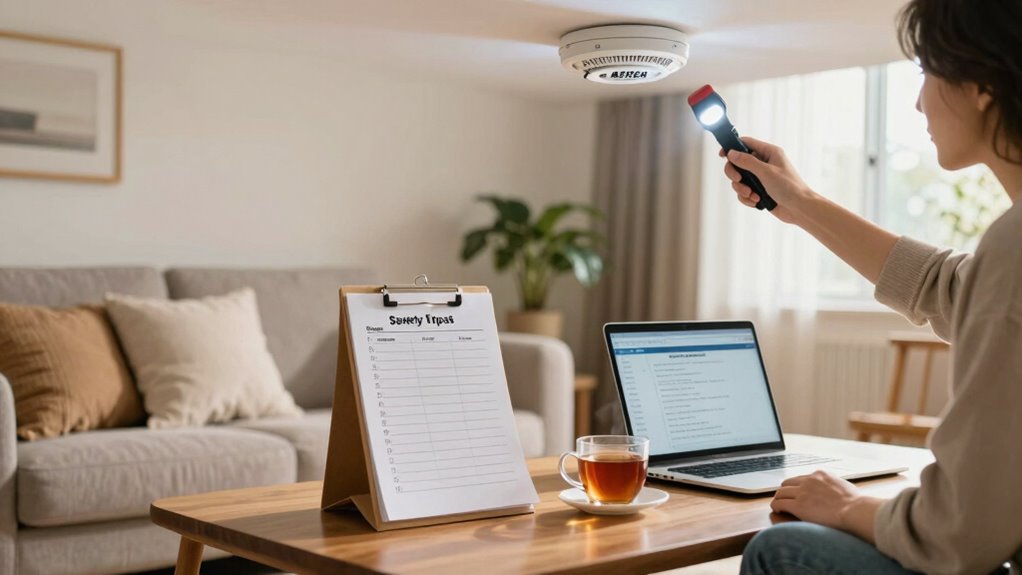

Start by breaking your home safety check into small, manageable steps to avoid feeling overwhelmed. Make a simple list of areas to inspect, like the kitchen or bedrooms, and set aside specific times each week to focus on each one. Use a checklist to stay organized, tackling one safety aspect at a time. As you build confidence, you’ll find the process easier. Keep going, and you’ll discover helpful tips to make your home safer step by step.
Listen free for 30 days with Audible
Thousands of audiobooks and originals — cancel anytime.
As an affiliate, we earn on qualifying purchases.
Key Takeaways
- Break the safety check into small, manageable steps to avoid feeling overwhelmed.
- Create a simple, prioritized checklist of areas and safety aspects to inspect.
- Allocate specific, short time slots weekly for different sections of your home.
- Focus on one safety aspect at a time to build confidence gradually.
- Remember to breathe and take breaks to stay calm throughout the process.
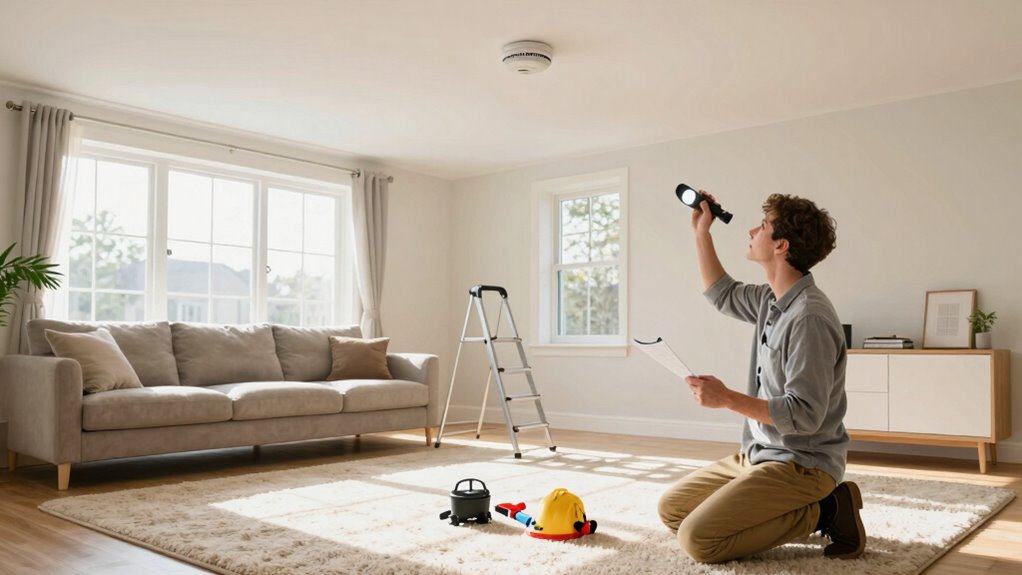
Conducting regular home safety checks is essential to keep your household secure. When you start, it can feel overwhelming, especially if you’re not sure where to begin. The key is to break it down into manageable steps, so you don’t get discouraged. Begin by making a simple plan: list the areas you want to inspect and set aside a little time each week to focus on different parts of your home. This approach helps you stay organized and prevents the process from becoming intimidating.
Break home safety checks into manageable steps to stay organized and avoid feeling overwhelmed.
A good starting point is to focus on fire prevention. Check that smoke alarms are working properly by testing them and replacing batteries if needed. Make sure all escape routes are clear of obstacles and that everyone in your household knows the evacuation plan. Since fire safety is critical, you may also want to review your fire extinguisher’s condition and make sure it’s accessible. Installing smoke detectors in key areas, like the kitchen and bedrooms, adds an extra layer of security. Taking these small steps can substantially reduce fire risks and make you feel more confident about your home’s safety.
Next, consider emergency preparedness. Prepare a basic emergency kit with essentials such as water, non-perishable food, a flashlight, batteries, and a first aid kit. Make sure everyone in your household knows where it is located. Review your emergency contacts and verify that everyone has a copy of important phone numbers, including neighbors and local emergency services. Check that your home’s exits are functional and easy to access in case you need to evacuate quickly. It’s also wise to review and practice your family’s emergency plan periodically so everyone knows what to do during different scenarios. Additionally, understanding biodiversity and how to protect your environment can contribute to a safer and healthier home environment in the long run. Incorporating home safety technology, such as smart security systems, can further enhance your readiness and peace of mind. Be aware that indoor air quality can also impact overall safety and health, so consider evaluating and improving this aspect as part of your safety routine.
As you progress, check your home’s structural safety—look for loose handrails, secure heavy furniture, and inspect windows and locks. Don’t forget about electrical safety; unplug unused appliances and look for frayed wires or overloaded outlets. These steps might seem small, but they add up to a safer environment.
As an affiliate, we earn on qualifying purchases.
Frequently Asked Questions
How Often Should I Perform a Home Safety Check?
You should perform a home safety check at least twice a year. During these checks, verify your fire escape route is clear and accessible, and test smoke detectors to guarantee they’re working properly. Regularly inspecting these safety features helps you stay prepared for emergencies. Don’t forget to replace batteries annually and review your fire escape plan with your family, so everyone knows what to do in case of an emergency.
What Budget Options Are Available for Safety Improvements?
You can explore budget-friendly options like installing affordable safety measures such as nightlights, grab bars, and non-slip mats. Look for discounts or secondhand items for safety gear, and prioritize essential upgrades. DIY projects, like securing rugs or fixing loose handrails, are cost-effective ways to enhance safety. Remember, small improvements add up, making your home safer without straining your finances.
Can I Do a Safety Check Alone or Should I Hire a Pro?
Think of your home safety check as a puzzle; you can certainly start with a DIY assessment to piece things together. However, certain areas, like electrical systems or structural issues, are best handled with a professional consultation. Doing a thorough DIY assessment helps you identify potential hazards, but hiring a pro guarantees expert eyes catch what you might miss, making your home safer and more secure.
How Do I Prioritize Safety Upgrades in My Home?
You should prioritize safety upgrades by focusing on fire prevention and child proofing first. Check your smoke alarms and replace batteries, then consider installing fire extinguishers. For child proofing, secure furniture, outlet covers, and cabinet locks. Address these essentials early to create a safer environment. Once these vital areas are handled, you can move on to other upgrades, making the process manageable and less overwhelming.
What Are Common Safety Hazards I Might Overlook?
You might overlook hazards like blocked fire escapes or overloaded electrical outlets. Make certain your fire escape routes are clear and accessible in case of emergency. Check all electrical outlets for signs of damage or overload, especially in high-traffic areas or near water sources. Don’t forget to inspect smoke alarms and carbon monoxide detectors. Regularly reviewing these common hazards helps you stay proactive and keeps your home safe without feeling overwhelmed.
Conclusion
Starting a home safety check might seem intimidating, but remember, small steps make a big difference. Regularly inspecting your home can prevent accidents and save lives. Did you know that falls are the leading cause of injury among adults over 65? By staying proactive and addressing hazards early, you not only protect your loved ones but also gain peace of mind. Take that first step today—you’re creating a safer, happier home for everyone.
Flea & tick season Picks
flea and tick prevention
As an affiliate, we earn on qualifying purchases.