Effective toy storage isn’t just about keeping things tidy—it’s about enabling you to reset quickly. By organizing with clear labels, color-coded bins, and thoughtful layouts, you make cleanup faster and less frustrating. This encourages your kids to participate and develop good habits. Respecting emotional attachments and creating routines further streamline the process. If you want to discover how to make cleanup effortless and enjoyable, keep exploring these smart strategies.

Get decor and gifts delivered free with Prime
- Fast, free delivery on millions of items
- Prime Video, Amazon Music and more included
- Member-only deals all year
Key Takeaways
- Quick reset systems reduce frustration and encourage children to participate in cleanup routines.
- Visual cues and logical layouts make toy locations intuitive, speeding up space resets.
- Using labeled, color-coded, or modular storage simplifies tidying and minimizes time spent.
- Designing for emotional attachments ensures cherished items are easy to access and put away efficiently.
- Establishing simple routines and fostering ownership promotes ongoing, fast cleanup habits.
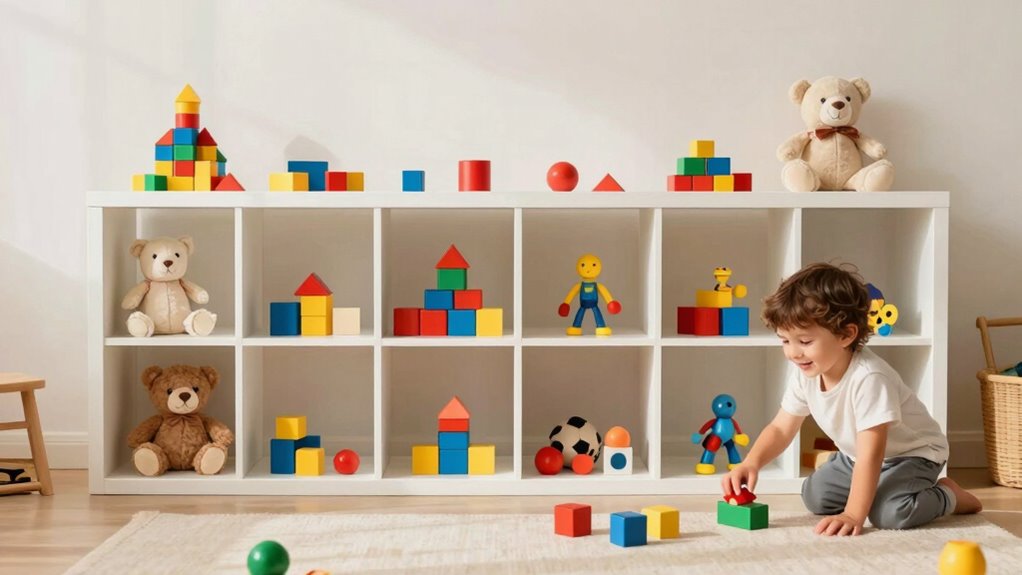
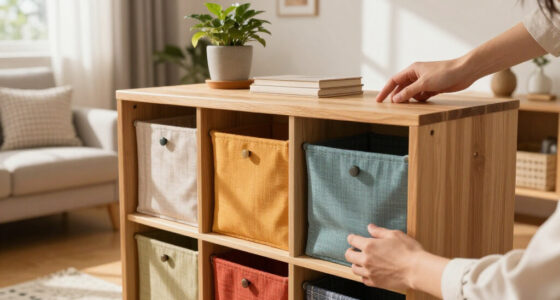
When it comes to toy storage, most people focus on keeping things tidy, but the real goal is much more about how quickly you can reset the space. The way you organize toys influences not just cleanliness, but your ability to restore order swiftly after playtime. Creative organization becomes your secret weapon here, allowing you to design systems that are both functional and engaging. Instead of just tossing toys into bins, you can use labeled containers, color-coded bins, or even modular storage units that make it obvious where everything belongs. This kind of thoughtful setup saves you time because your child can easily identify where each toy goes and put things away without fuss. It’s about creating a process that’s intuitive, reducing frustration for everyone involved. Additionally, considering storage efficiency can help optimize space and make cleanup even quicker. You might also consider incorporating visual cues to further streamline the process and make organization more intuitive for children. Incorporating simple routines can also help establish a consistent cleanup habit that becomes second nature. Recognizing the importance of emotional attachment can guide how you select and organize sentimental items, ensuring they are both accessible and protected. Toys aren’t just objects; they often hold memories and sentimental value. You might have a favorite stuffed animal or a handcrafted doll that your child cherishes deeply. When organizing, you need to strike a balance between efficient storage and respecting these attachments. For example, designate a special shelf or storage bin for sentimental items, making it easy to access and appreciate them without cluttering the main play areas. This approach helps maintain emotional connections while preventing chaos. Kids are more likely to keep their space tidy if they feel their special belongings are valued and accessible. Your goal is to encourage a sense of ownership and responsibility, which makes cleanup less of a chore and more of a routine. Speed is everything when it comes to resetting a toy area. If your storage system is too complicated or dull, it takes forever to tidy up, and that often leads to frustration. Designing with creativity means thinking beyond just practicality—imagine using whimsical labels, fun storage boxes, or even a rotation system where only a select few toys are accessible at a time. These ideas make cleanup feel less like a task and more like a quick, satisfying activity. When everything has a designated spot that’s both logical and appealing, resetting the space becomes effortless. The faster you can do this, the more likely your child is to participate willingly, reinforcing good habits and reducing stress for everyone. Additionally, a well-planned layout can further streamline the process and make tidying up feel more natural. Ultimately, toy storage isn’t just about neatness; it’s about creating a system that promotes quick resets, respects emotional attachments, and feels inviting enough to encourage ongoing organization. When you focus on these elements, cleaning up transforms from a dreaded chore into a smooth, even enjoyable, part of the day.
As an affiliate, we earn on qualifying purchases.
Frequently Asked Questions
How Does Toy Storage Impact Child Development?
You can see how toy organization impacts child development by making cleanup easier and encouraging independence. When toys are well-organized, your child spends less time searching and more time exploring, which boosts their confidence and problem-solving skills. Proper toy storage also promotes developmental benefits like improved motor skills and social interaction, as children learn responsibility through tidying up and sharing their space. Overall, organized toy storage supports growth and learning.
What Materials Are Best for Durable Toy Storage?
You should choose durable toy storage made from materials with high longevity, like solid wood or heavy-duty plastic, which withstand rough handling and frequent use. These materials guarantee your storage lasts longer, saving money over time. Opt for customizable storage solutions, such as modular bins or adjustable shelves, so you can adapt the setup as your child’s collection grows or changes. This flexibility keeps toy organization efficient and kid-friendly.
How Can Storage Solutions Accommodate Growing Collections?
To handle a growing collection, you can use modular shelving that adapts as your needs change. Incorporate transparent bins for easy identification of toys and quick access. As your collection expands, these flexible solutions let you add or rearrange compartments effortlessly, keeping everything organized and accessible. This approach guarantees you can reset and find toys quickly, making cleanup faster and more efficient.
What Are Eco-Friendly Options for Toy Storage?
You can choose eco-friendly toy storage options made from sustainable materials like bamboo or organic cotton. Recycled solutions, such as containers made from recycled plastics or upcycled fabric bins, also work well. These options reduce environmental impact while keeping your space organized. By selecting eco-conscious storage, you support sustainability and create a safer environment for your children, all while maintaining easy access and quick reset times.
How Does Storage Design Influence Parental Stress Levels?
Storage design influences your stress levels by shaping how easily you can manage clutter, organize toys, and find what you need quickly. An efficient storage organization reduces chaos, simplifies clutter management, and creates a calm environment. When toys are properly stored, you spend less time searching and more time enjoying moments with your children. Clear, accessible storage solutions help you feel more in control, decreasing stress and fostering a peaceful home atmosphere.
Conclusion
Remember, toy storage isn’t just about keeping things tidy; it’s about how quickly you can reset the play area. Did you know that kids who experience faster cleanup times are more likely to develop independence and responsibility? So, invest in smart storage solutions that make tidying up effortless. When you prioritize reset speed, you create a more enjoyable, stress-free environment for everyone. After all, a quick reset means more fun and less fuss!
Halloween Picks
halloween
As an affiliate, we earn on qualifying purchases.