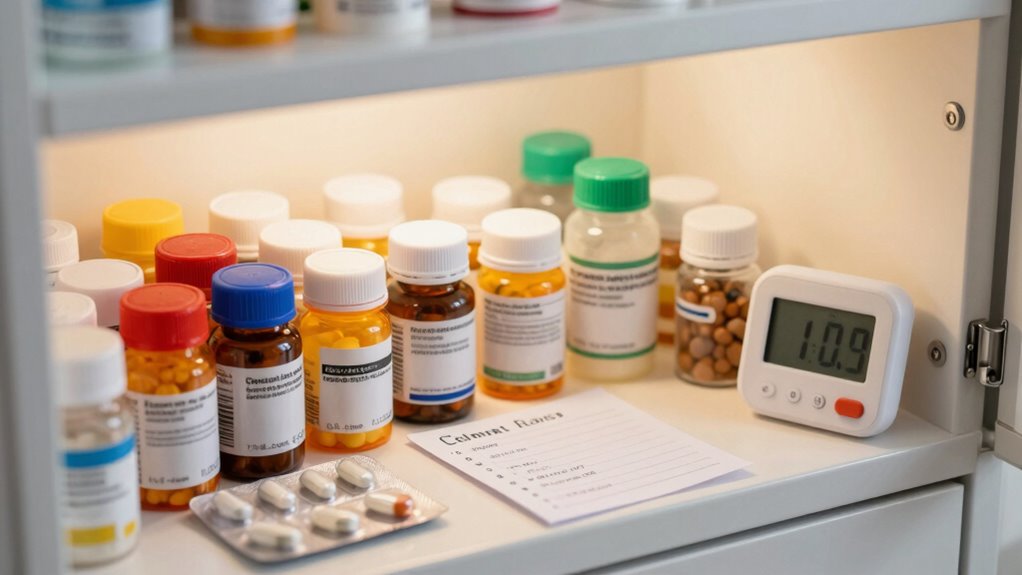

To guarantee you stay protected during disruptions, develop a solid backup plan by identifying nearby pharmacies, including 24-hour options, and considering delivery services. Keep an emergency supply of critical medications, stored properly and checked regularly for expiration. Use medication management apps to streamline refills and stay connected with healthcare providers to update your needs. Having these strategies in place can prevent interruptions; learn more about how to strengthen your plan below.
Listen free for 30 days with Audible
Thousands of audiobooks and originals — cancel anytime.
As an affiliate, we earn on qualifying purchases.
Key Takeaways
- Identify and keep a list of nearby pharmacies, including 24-hour and delivery options, for quick access during closures or delays.
- Maintain an emergency supply of critical medications, regularly checking for expiration and proper storage.
- Develop a clear backup plan with alternative pharmacies and delivery services to prevent treatment interruptions.
- Use medication management apps and digital tools to track refills, storage, and communicate with healthcare providers.
- Store medications correctly, monitor expiration dates, and replenish supplies proactively to ensure safety and availability.
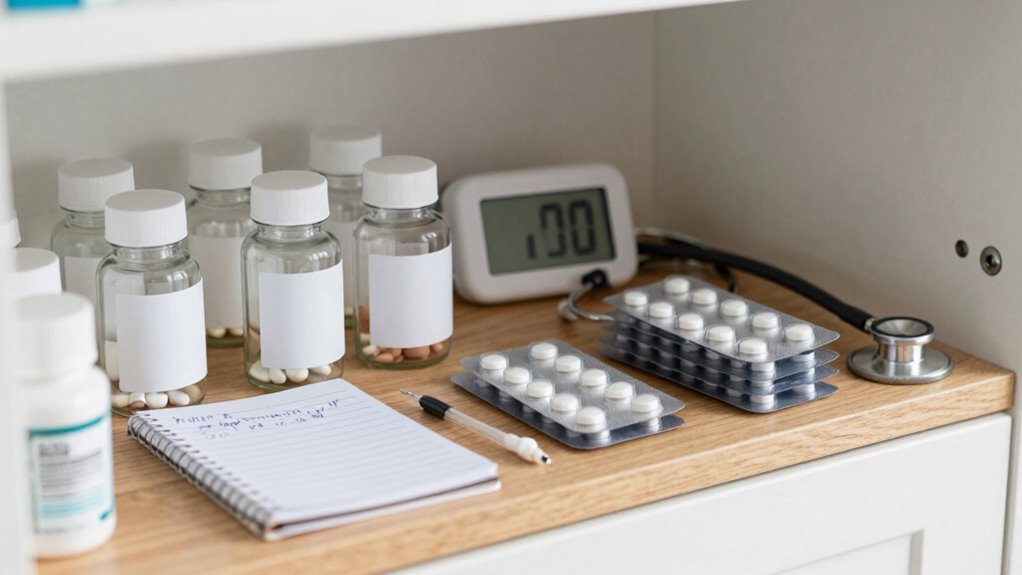
Have you ever faced a situation where your medication ran out unexpectedly or was delayed? It’s a stressful experience, especially when you rely on daily doses for your health. During these moments, pharmacy accessibility becomes vital. If your usual pharmacy closes early or is temporarily unavailable, knowing alternative options can make all the difference. A solid backup plan considers nearby pharmacies, 24-hour services, or even pharmacy delivery options, guaranteeing you don’t go without your medication when you need it most. It’s necessary to keep a list of these alternatives handy, so you’re prepared for sudden disruptions.
Keep a list of alternative pharmacies and delivery options to stay protected during medication disruptions.
Emergency supply management is a key element of your backup plan. It involves keeping an extra supply of critical medications at home, but it’s more than just stockpiling pills. You need to know how much to store safely, how to store it properly, and when to replenish it. This extra supply acts as a safety net during unforeseen delays or pharmacy closures, giving you peace of mind that your health won’t suffer due to logistical hiccups. Keep in mind that some medications have expiration dates, so regularly check and rotate your stock to ensure everything remains effective and safe to use. Additionally, understanding medication storage guidelines can help maintain the efficacy of your supplies during emergencies. Staying informed about pharmacy accessibility options can further enhance your preparedness during disruptions. Being aware of emergency supply management strategies can also help you optimize your backup plan and reduce stress during shortages. Incorporating technology solutions like medication management apps can streamline your refill process and improve your overall preparedness. It’s also helpful to establish a communication plan with your healthcare provider, so they are aware of your needs and can assist you in emergencies.
As an affiliate, we earn on qualifying purchases.
Frequently Asked Questions
How Often Should I Review My Backup Medication Plan?
You should review your backup medication plan at least every six months to guarantee it’s up-to-date. Regularly check your medication storage to confirm medications are still effective and properly stored. During reviews, consider any changes in your health or prescriptions, and update your emergency preparedness accordingly. Staying proactive helps you be ready for disruptions, ensuring your backup plan remains reliable when you need it most.
What Should I Do if My Backup Medication Runs Out?
Imagine your backup medication as a trusty lantern in a dark forest. If it runs out, don’t stumble blindly—review your medication storage and contact your insurer for refills or assistance. Keep a list of pharmacy contacts handy and check your insurance coverage regularly to avoid surprises. By staying proactive, you guarantee your lantern stays lit, guiding you safely through any disruptions without risking your health.
Are There Specific Medications That Require Special Backup Procedures?
Yes, certain medications need special backup procedures due to their storage requirements or critical nature. For example, insulin and some biologics require refrigeration, so you should have a backup plan for cold storage during emergencies. Keep extra supplies in a secure, accessible location as part of your emergency preparedness. Regularly check expiration dates, and consult your healthcare provider for personalized backup strategies to guarantee your medications remain effective during disruptions.
How Can I Ensure My Backup Plan Is Accessible During Emergencies?
You can guarantee your backup plan is accessible during emergencies by keeping an organized emergency kit with your essential medications, stored in a known, easily reachable location. Use clear storage tips like labeling containers and keeping an updated list of medications inside the kit. Regularly review and practice with your emergency kit to guarantee you can quickly access your backup medications when needed, even during unexpected disruptions.
What Legal Considerations Are Involved in Storing Backup Medications?
You need to guarantee your backup medications comply with legal requirements and storage regulations. Check local laws on storing medications, especially for controlled substances, to avoid legal issues. Use approved containers, keep medications in a secure, cool, dry place, and clearly label them. Regularly review storage guidelines and update your plan as regulations change. Staying compliant helps protect your health and prevents legal complications during emergencies.
Conclusion
Having a solid medication backup plan isn’t just smart; it’s your lifeline during disruptions. When chaos strikes, your plan guarantees you’re never left in the dark or powerless against unforeseen hurdles. Think of it as your personal fortress—an unwavering shield protecting your health and peace of mind. Don’t wait for a crisis to realize the importance of preparation. Get your backup plan in place now, and stay resilient, no matter what comes your way.
Fall Picks
fall essentials
As an affiliate, we earn on qualifying purchases.