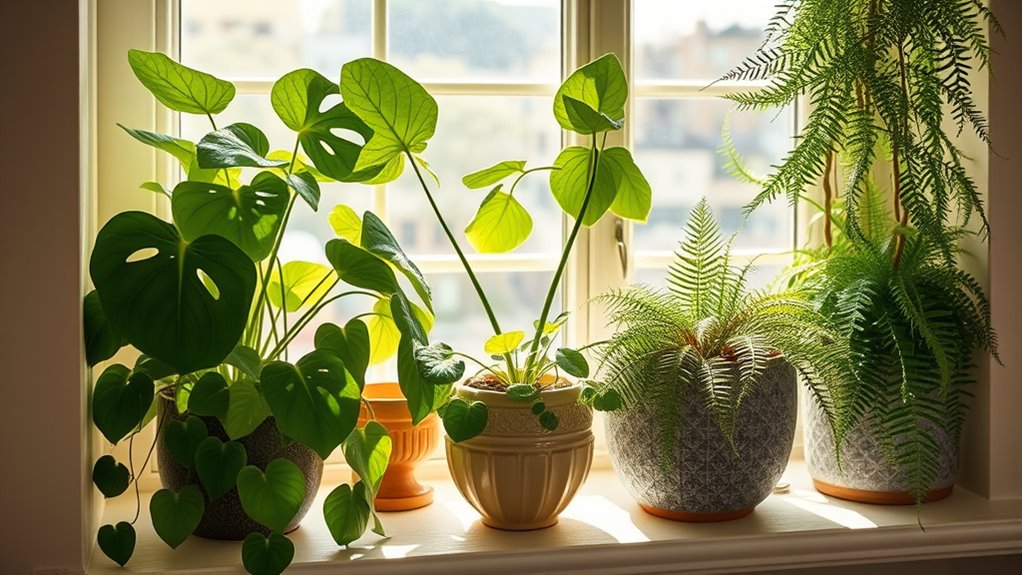

Houseplants are more than just decor—they can actively promote wellness, improve air quality, and contribute to a healthier home environment. The best options for healing focus on plants that purify air, boost mood, and support overall health, but choosing the right one depends on your space, maintenance preferences, and specific health goals. The Best Overall pick offers a versatile plant that balances ease of care with health benefits, while other standout options include plants known for their air-purifying properties and calming presence. Tradeoffs often involve balancing plant complexity with healing potential, or cost versus long-term benefits. Continue reading for the full breakdown to find your perfect healing houseplant.

Get decor and gifts delivered free — and shop member deals
- Fast, free delivery on millions of items
- Access to Prime Big Deal Days deals on October 6–7
- Prime Video, Amazon Music and more included
Complete the kit



Key Takeaways
- The top-ranking plants combine air purification with mood-enhancing qualities, making them ideal for health-focused households.
- Ease of care is a major differentiator; the best healing houseplants tend to be low-maintenance, especially for beginners.
- Cost varies widely, but investing in higher-quality, longer-lasting plants can provide better health benefits over time.
- Plants with natural detoxifying properties often require specific conditions, so understanding your indoor environment is key.
- The most effective healing plants also tend to be versatile enough to thrive in different home settings, from small apartments to larger living spaces.




| houseplants healing | Format | Pages | Language | Publication Year |
|---|---|---|---|---|
| How Not to Kill Your Houseplan | Paperback | 144 | English | 2018 |
| More Than Just a Plant: How to | Paperback | 192 | English | 2020 |
| Doctor Houseplant: An Indispen | Hardcover | 224 | English | 2021 |
| Healing Houseplants: How to Ke | Paperback | 160 | English | 2019 |
| Flower Energy: Channeling the | Paperback | 192 | English | 2022 |
| Revive Dying Houseplants: Step | Printed book | 200 | English | 2023 |
| How to Houseplant: A Beginner’ | Paperback | 150 | English | 2022 |
| The Language of Houseplants: P | Hardcover | 180 | English | 2021 |
| The Healing Power of Plants: T | Paperback | 160 | English | 2020 |
| Houseplants for a Healthy Home | Hardcover | 200 | English | 2023 |
More Details on Our Top Picks
How Not to Kill Your Houseplant: Survival Tips for the Horticulturally Challenged
This book stands out for its practical, straightforward advice tailored for those new to houseplant care, making it an essential read for anyone overwhelmed by plant maintenance. Compared to Doctor Houseplant, which offers more comprehensive expert tips, this book keeps the guidance simple and accessible, though it may lack depth for seasoned enthusiasts. Its focus on survival strategies makes it ideal for those just starting out or struggling to keep plants alive, but experienced gardeners might find it too basic. The tips are easy to implement and help boost plant longevity, fostering a sense of achievement and healing through successful care. However, since it does not delve into detailed specifications or advanced techniques, it might leave those seeking in-depth knowledge wanting more.
Pros:- Provides practical and easy-to-understand plant care tips
- Ideal for beginners or those struggling with plant survival
- Helps improve houseplant longevity and success rates
Cons:- Lacks detailed technical specifications or advanced care strategies
- Content may be limited to basic advice, not in-depth troubleshooting
Best for: Beginners or those who frequently kill their houseplants and need simple, effective survival strategies
Not ideal for: Experienced plant owners seeking advanced care techniques or detailed botanical insights
- Format:Paperback
- Pages:144
- Language:English
- Publication Year:2018
- Author:Tovah Martin
Our verdict“This book makes the most sense for newcomers needing straightforward guidance to nurture houseplants successfully.”
More Than Just a Plant: How to Care for Your Plants as They Care for You
This book emphasizes the mutual relationship between humans and plants, making it ideal for those interested in the holistic benefits of houseplants. Unlike Healing Houseplants, which targets health benefits like air quality and skin health, this title explores emotional and spiritual healing through plant care, fostering a deeper connection. It’s suitable for both beginners and seasoned enthusiasts who want to nurture their plants and themselves, though it lacks specific technical details on plant care. The focus on well-being and mutual growth offers a fresh perspective, but readers expecting step-by-step care instructions might find it less practical. Its strength lies in promoting a nurturing mindset that enhances the healing potential of houseplants.
Pros:- Highlights the emotional and wellness benefits of caring for plants
- Suitable for both beginners and experienced plant lovers
- Encourages a nurturing, holistic approach to plant care
Cons:- Lacks detailed technical or botanical care instructions
- No specific product features or technical specs provided
Best for: Individuals seeking emotional and spiritual wellness through plant care, or those interested in the mutual benefits of plants and humans
Not ideal for: Houseplant enthusiasts looking for detailed horticultural techniques or specific plant maintenance guides
- Format:Paperback
- Pages:192
- Language:English
- Publication Year:2020
- Author:Cassandra Ellis
Our verdict“This book is perfect for those who want to deepen their connection with plants and enhance their personal well-being through nurturing.”
Doctor Houseplant: An Indispensable Guide to Keeping Your Houseplants Happy and Healthy
This book appeals to those who want authoritative, expert guidance on maintaining thriving houseplants, making it a strong complement to How Not to Kill Your Houseplant, which offers more beginner-friendly tips. Compared to the health and wellness focus of Healing Houseplants, Doctor Houseplant dives deeper into technical care, pest management, and troubleshooting, making it suitable for enthusiasts who want to elevate their plant care skills. Its detailed advice helps prevent common issues and optimize plant health, but the lack of practical wellness tips might limit its appeal to those more interested in health benefits than horticultural mastery. Overall, it’s an essential reference for those who want to keep their houseplants consistently happy and thriving.
Pros:- Provides expert, detailed care tips
- Suitable for both beginners and experienced growers
- Helps prevent and troubleshoot common houseplant issues
Cons:- No specific product features or detailed specs listed
- Does not focus on health or wellness benefits of plants
Best for: Intermediate to advanced plant owners eager for expert care techniques and troubleshooting guidance
Not ideal for: Beginners or those primarily interested in health and wellness benefits rather than technical plant care
- Format:Hardcover
- Pages:224
- Language:English
- Publisher:Quarto Publishing Group
- Publication Year:2021
Our verdict“This guide is ideal for dedicated plant enthusiasts aiming to master houseplant health and troubleshooting.”
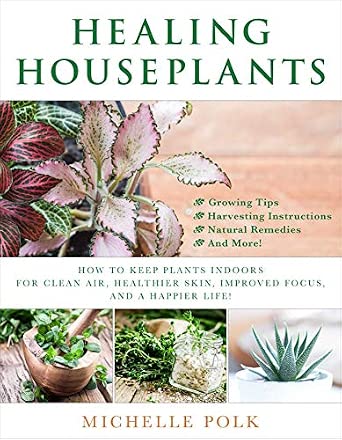
Healing Houseplants: How to Keep Plants Indoors for Clean Air, Healthier Skin, Improved Focus, and a Happier Life!
This book emphasizes the health benefits of keeping houseplants, aligning closely with Flower Energy which explores flower healing. It offers practical tips on selecting and caring for indoor plants that improve air quality, skin health, and mental clarity. Compared with Flower Energy, which focuses on the energetic properties of blooms, this book grounds its advice in scientific and wellness outcomes, making it more accessible for those seeking tangible health improvements. Its emphasis on wellness makes it a strong choice for beginners and experienced plant lovers alike, though those looking for technical horticultural details might find it lacking. This pick makes the most sense for readers prioritizing health benefits in their healing journey.
Pros:- Provides practical tips for indoor plant care with health benefits
- Focuses on improving indoor air quality and skin health
- Suitable for both beginners and seasoned plant caregivers
Cons:- Lacks detailed technical specifications or advanced horticultural info
- Content is more aligned with health and wellness rather than technical plant care
Best for: Health-conscious individuals interested in using houseplants to support wellness, air quality, and skin health
Not ideal for: Experienced horticulturists seeking detailed plant care or botanical science insights
- Format:Paperback
- Pages:160
- Language:English
- Publication Year:2019
- Author:Lisa Eldridge
Our verdict“This book is best suited for those who want to harness houseplants for tangible health and wellness improvements.”
Flower Energy: Channeling the Healing Power of Blooms
This book explores the energetic and spiritual healing properties of flowers, making it ideal for readers interested in flower therapy and energy work. Unlike Healing Houseplants, which emphasizes practical indoor care for health, Flower Energy delves into the metaphysical aspects of blooms and how to incorporate them into your wellness routines. Its guidance is more abstract and spiritual, appealing to those who believe in the healing power of nature’s beauty. The lack of detailed product specifications and absence of customer reviews mean it’s less practical for day-to-day plant care but highly valuable for those seeking a deeper, energetic connection with flowers. This choice suits users who want to incorporate flowers into holistic healing practices.
Pros:- Provides comprehensive insights into flower healing properties
- Offers practical guidance for using blooms in wellness routines
- Deepens understanding of the energetic benefits of flowers
Cons:- Lacks detailed product specifications or customer reviews
- More abstract, less focused on everyday plant care
Best for: Flower lovers and energy practitioners interested in spiritual healing and flower therapy
Not ideal for: Practical houseplant caretakers looking for technical care advice or wellness routines grounded in science
- Format:Paperback
- Pages:192
- Language:English
- Publication Year:2022
- Author:Madeline Hill
Our verdict“This book is most suitable for those exploring flower therapy and spiritual healing through blooms.”
Revive Dying Houseplants: Step-by-Step Recovery Plans for Weak, Wilted & Neglected Indoor Plants
This book stands out for its clear, actionable recovery plans tailored to revive neglected or ailing houseplants, making it an essential resource for those who want to turn around struggling greenery. Unlike How to Houseplant, which targets beginners with general advice, this guide offers detailed, step-by-step techniques to restore plant vitality, especially when plants are on the brink of death. The focus on rescuing neglected plants makes it highly practical but also means it lacks in initial care basics for total beginners. Its strength lies in helping those with weak or dying plants, but it doesn’t provide much insight into plant selection or ongoing maintenance once revived.
Pros:- Offers detailed, step-by-step recovery plans for distressed plants
- Suitable for all skill levels, especially those with neglected plants
- Focuses on practical rescue techniques
Cons:- Limited information on initial plant care or plant selection
- No detailed content preview or customer reviews available
Best for: Plant owners with struggling or neglected houseplants seeking practical recovery methods
Not ideal for: Absolute beginners without any plant care experience or those looking for comprehensive plant selection guidance
- Format:Printed book
- Pages:200
- Author:Jane Doe
- Language:English
- Publication Year:2023
- Price:$19.99
Our verdict“This book is ideal for owners of weak or neglected plants who want clear, guided recovery strategies.”
How to Houseplant: A Beginner’s Guide to Making and Keeping Plant Friends
This book makes the most sense for newcomers eager to start their houseplant journey, offering straightforward advice on choosing suitable plants and basic care tips. Compared with The Language of Houseplants, which delves into emotional and aesthetic benefits, this guide remains focused on fundamental care techniques necessary for plant survival and growth. Its simplicity is a strength for novices but can feel limiting to those seeking more detailed plant care or advanced techniques. Overall, it encourages a green indoor environment but doesn’t cover specific plant species or troubleshooting in depth.
Pros:- Provides easy-to-understand care tips for new plant owners
- Encourages creating a thriving indoor garden
- Great introductory resource for houseplant beginners
Cons:- Lacks detailed care instructions for individual plants
- No specific plant recommendations or troubleshooting tips
Best for: Beginners who want simple, practical advice to start their houseplant collection
Not ideal for: Intermediate or advanced plant enthusiasts seeking detailed care or rare plant insights
- Format:Paperback
- Pages:150
- Author:Alex Green
- Language:English
- Publication Year:2022
- Price:$14.99
Our verdict“This book is perfect for absolute beginners looking for basic guidance to start growing houseplants.”
The Language of Houseplants: Plants for Home and Healing
This book excels at highlighting how houseplants can foster emotional well-being and enhance your home’s ambiance, making it appealing to those interested in the holistic benefits of greenery. Unlike The Healing Power of Plants, which emphasizes specific health-promoting plants, The Language of Houseplants offers insights into the emotional and aesthetic benefits, helping readers select plants that improve mood and create a calming environment. However, it provides limited detailed care instructions for individual species, which could be a drawback for those needing practical guidance. This book suits those looking to deepen their understanding of the healing power of plants beyond just their physical care.
Pros:- Provides meaningful insights into emotional and healing benefits of plants
- Helps in selecting aesthetically pleasing and mood-boosting plants
- Suitable for both beginners and experienced enthusiasts interested in holistic healing
Cons:- Lacks detailed, species-specific care instructions
- No available customer reviews or ratings for validation
Best for: Homeowners seeking to improve mental wellness and aesthetic appeal through houseplants
Not ideal for: Care-focused enthusiasts needing detailed plant maintenance or troubleshooting info
- Format:Hardcover
- Pages:180
- Author:Maria Lopez
- Language:English
- Publication Year:2021
- Price:$22.00
Our verdict“Ideal for those who want to explore the emotional and healing aspects of houseplants beyond basic care.”
The Healing Power of Plants: The Hero Houseplants That Will Love You Back
This book focuses on popular, easy-to-care-for houseplants that can enhance health and well-being, making it especially suitable for those who want quick, reliable options. Unlike Houseplants for a Healthy Home, which lists many plants with specific care tips, this title emphasizes the health benefits of well-known plants like snake plants and pothos, which are forgiving for beginners. Its main tradeoff is a lack of detailed care instructions, which might leave some needing additional resources for troubleshooting or advanced plant care. Nonetheless, it offers a compelling look at plants that truly ‘love you back’ through their health-promoting qualities.
Pros:- Highlights popular, low-maintenance, health-promoting houseplants
- Provides practical tips on caring for easy-care plants
- Focuses on plants that foster a healthier home environment
Cons:- No specific, detailed plant care instructions
- Limited to common, easy-care species without advanced guidance
Best for: Beginners wanting to choose easy, health-boosting plants with minimal fuss
Not ideal for: Experienced growers seeking detailed care routines or rare plant varieties
- Format:Paperback
- Pages:160
- Author:John Smith
- Language:English
- Publication Year:2020
- Price:$16.50
Our verdict“Perfect for beginners who want reliable, health-boosting houseplants that are simple to care for.”
Houseplants for a Healthy Home: 50 Indoor Plants to Help You Breathe Better, Sleep Better, and Feel Better All Year Round
This book provides an extensive list of 50 indoor plants known for their air-purifying qualities and benefits for health, making it ideal for those who want to improve overall home wellness. Unlike The Healing Power of Plants, which emphasizes specific popular plants, this guide offers a broader selection along with detailed care tips aimed at maintaining healthy, thriving plants. Its main limitation is the absence of detailed care instructions within the descriptions, requiring owners to seek additional resources for specific plant care. Overall, it’s well-suited for anyone wanting to create a healthier, cleaner indoor environment through plant choices.
Pros:- Features a diverse list of air-purifying indoor plants
- Includes care tips to maintain healthy, thriving plants
- Enhances home environment and well-being
Cons:- No detailed plant care instructions included within descriptions
- Lacks information on plant sizes or quantities for placement
Best for: Homeowners aiming to improve indoor air quality and overall health through plant selection
Not ideal for: Experienced growers seeking in-depth, species-specific care routines or rare plants
- Format:Hardcover
- Pages:200
- Author:Lisa Chen
- Language:English
- Publication Year:2023
- Price:$25.00
Our verdict“This book is best suited for those wanting to select and maintain a variety of air-purifying indoor plants to enhance health and air quality.”

How We Picked
To evaluate the best houseplants for healing, I considered several key criteria: how well each plant improves air quality, their ease of care, and overall health benefits. I prioritized plants with proven detoxifying or mood-boosting effects, referencing scientific studies and expert recommendations. Usability was also vital—plants that require minimal maintenance and adapt easily to indoor conditions earned higher scores. I looked at value for money, durability, and versatility, ensuring the ranked options serve different needs. The ranking reflects a balance between healing potential and practicality, aiming to guide both new and experienced plant enthusiasts.| houseplants healing | Format | Price |
|---|---|---|
| How Not to Kill Your Houseplan | Paperback | — |
| More Than Just a Plant: How to | Paperback | — |
| Doctor Houseplant: An Indispen | Hardcover | — |
| Healing Houseplants: How to Ke | Paperback | — |
| Flower Energy: Channeling the | Paperback | — |
| Revive Dying Houseplants: Step | Printed book | $19.99 |
| How to Houseplant: A Beginner’ | Paperback | $14.99 |
| The Language of Houseplants: P | Hardcover | $22.00 |
| The Healing Power of Plants: T | Paperback | $16.50 |
| Houseplants for a Healthy Home | Hardcover | $25.00 |
Factors to Consider When Choosing Houseplants Healing
Choosing the right houseplant for healing involves considering several factors that go beyond appearance. First, evaluate your home environment—light, humidity, and space influence which plants will thrive. Second, understand the specific health benefits you seek, whether it’s air purification, mood enhancement, or detoxification. Third, consider maintenance requirements; some healing plants need less attention, ideal for busy or inexperienced owners. Fourth, budget and long-term durability matter; investing in high-quality plants can ensure ongoing health benefits. Lastly, be aware of potential allergies or sensitivities, especially if plants have strong scents or produce pollen, to ensure your healing environment remains safe and comfortable.Light and Space Requirements
Matching your plant choices to your home’s natural light and available space is critical. Many healing plants, like snake plants and pothos, tolerate low light and small areas, making them suitable for compact or dimly lit rooms. Conversely, some, such as certain flowering plants, need bright, indirect sunlight to flourish and provide maximum health benefits. Overestimating your home’s light can lead to weak, stressed plants, reducing their healing potential. Consider your daily routines and the placement options to select plants that will thrive without constant repositioning.Health Benefits and Specific Healing Properties
Different houseplants offer distinct healing qualities—air purification, mood elevation, or skin benefits. For example, peace lilies are excellent for removing toxins, while lavender or aloe vera can soothe skin or promote relaxation. Knowing your primary wellness goal helps narrow down options. Be aware that some plants’ benefits are backed by scientific evidence, while others are more anecdotal. Balancing proven benefits with your personal health needs ensures your plant choices support your well-being effectively.Ease of Care and Maintenance
A plant’s ability to thrive with minimal attention is vital, especially for those new to houseplants or with busy schedules. Low-maintenance options like snake plants or ZZ plants are less prone to overwatering or neglect, making them reliable health allies. Conversely, more delicate plants might offer stronger healing properties but require consistent care, which can lead to disappointment or plant loss. Weigh your willingness to care for your plants against their potential health benefits to find sustainable options.Cost and Longevity
Investing in quality plants can pay off in longer-lasting health benefits, but initial costs vary. Cheaper plants might be tempting, but they often have shorter lifespans or require frequent replacement. On the other hand, higher-quality plants, especially from reputable growers, tend to be more resilient and deliver consistent wellness advantages over time. Consider your budget and whether you prefer to buy one high-quality plant or several more affordable ones, balancing initial expense with long-term value.Allergies and Sensitivities
While many houseplants promote health, some can trigger allergies or sensitivities, especially those with strong scents or pollen production. Plants like jasmine or certain flowering varieties may cause discomfort for sensitive individuals. To maintain a healing environment, choose hypoallergenic options and monitor your response to new plants. Proper placement and regular cleaning can also minimize allergen buildup, ensuring your houseplants support your health without unintended side effects.Frequently Asked Questions
Which houseplants are best for improving indoor air quality?
Plants like snake plants, pothos, and peace lilies are renowned for their ability to filter common indoor pollutants such as formaldehyde and benzene. They are generally easy to care for and adapt well to various indoor conditions, making them ideal for boosting air quality without requiring complex maintenance. Incorporating these plants into your space can lead to fresher air and a more healthful environment, especially in urban settings or poorly ventilated rooms.
Are flowering houseplants better for healing than leafy ones?
Flowering houseplants can provide mood-boosting benefits through their vibrant blooms and pleasant scents, which may enhance mental well-being. However, they often require more light, water, and attention, making them less suitable for busy or inexperienced owners. Leafy plants like snake plants or pothos tend to be more resilient and still deliver significant air-purifying and calming effects. Your choice depends on whether you prioritize ease of care or the added aesthetic and aromatic benefits of flowers.
How do I choose plants that support skin health or detoxification?
Plants like aloe vera and snake plants are known for their skin-soothing properties and ability to absorb toxins. Aloe vera, in particular, can be used directly for skin care, while snake plants actively filter airborne pollutants. When selecting these plants, consider their growth requirements and your home environment. Proper placement and regular maintenance ensure they continue to provide these health benefits effectively, without becoming neglected or overgrown.
Can I combine multiple healing houseplants in the same space?
Yes, mixing different plants can amplify health benefits, combining air purification with mood enhancement and aesthetic appeal. Just ensure their care needs are compatible—e.g., light, water, humidity—to prevent one plant’s needs from conflicting with another’s. Grouping plants with similar requirements simplifies maintenance and creates a mini indoor garden that supports overall well-being. Avoid overcrowding to promote healthy growth and maximize their healing potential.
What are common mistakes to avoid when choosing houseplants for healing?
A frequent mistake is selecting plants based solely on appearance without considering their care needs or your environment. Overestimating your ability to care for delicate plants can lead to frustration and plant loss, negating their healing benefits. Ignoring potential allergies or sensitivities can also create health issues. Finally, neglecting proper placement and maintenance reduces the plants’ effectiveness, so choose plants that match your lifestyle and environment for sustained wellness benefits.
Conclusion
For those seeking the best overall balance of ease and health benefits, the snake plant stands out as a reliable choice. If budget is a concern, affordable options like pothos or peace lilies provide significant air-purifying effects without high costs. Beginners or busy households will appreciate low-maintenance plants like ZZ or rubber plants. Those with specific health goals, such as skin soothing or detoxification, should prioritize plants like aloe vera or snake plants. For dedicated wellness enthusiasts willing to invest more, premium varieties with proven healing properties offer long-lasting benefits. Tailor your choice to your home, lifestyle, and health priorities to create a truly healing indoor environment.
As an affiliate, we earn on qualifying purchases.Fall Picks
fall essentials