To win the battle against mold in high-humidity rooms, focus on increasing air circulation and controlling moisture. Open windows, use exhaust fans, and add fans or vents to keep air moving. Keep surfaces dry, fix leaks promptly, and use dehumidifiers to maintain humidity between 30-50%. Regularly inspect for water intrusion and clean surfaces to prevent mold from settling. If you keep these steps in mind, you’ll discover more effective ways to create a mold-resistant space.
Key Takeaways
- Increase air circulation with exhaust fans, ceiling vents, and open windows to disperse humidity and reduce mold-friendly conditions.
- Maintain indoor humidity levels between 30-50% using dehumidifiers to deprive mold of necessary moisture.
- Regularly inspect and fix leaks, condensation, and water intrusion sources to prevent persistent dampness.
- Use moisture barriers and proper sealing to prevent water intrusion and condensation buildup.
- Keep surfaces dry and clean, and promote continuous airflow to hinder mold growth and spread.
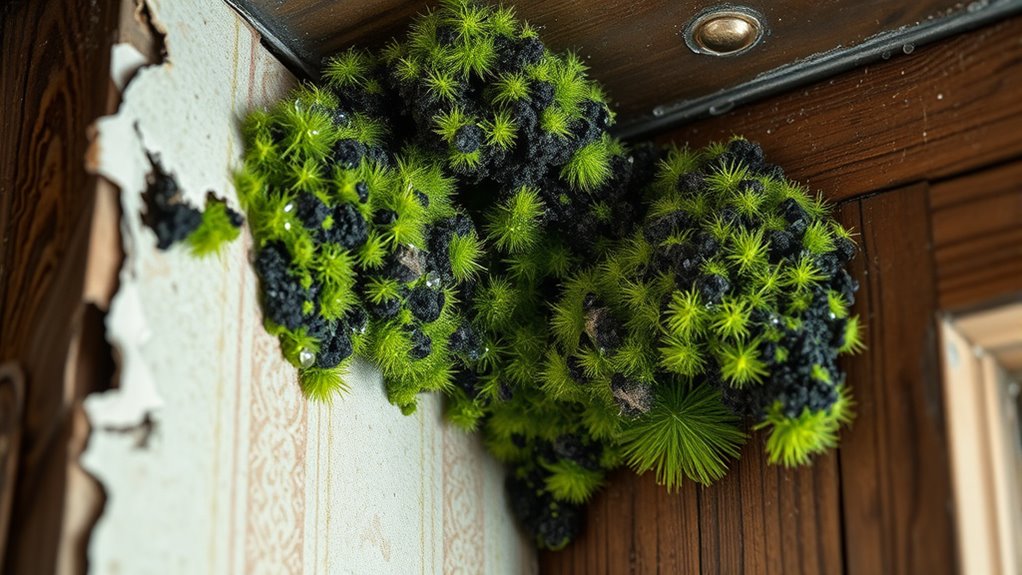
Have you ever wondered how mold manages to invade your home and turn a minor leak into a full-blown battle? The answer often lies in the environment you’re creating inside your walls and rooms. Mold thrives in areas with poor air circulation and inadequate moisture control. When moisture lingers and air isn’t moving, mold spores find the perfect conditions to settle, grow, and spread. That’s why understanding and managing these factors is essential to winning the mold wars, especially in high-humidity rooms like bathrooms, kitchens, or laundry areas.
Air circulation plays a critical role in preventing mold growth. When you keep the air moving, you reduce the stagnation that allows moisture to settle on surfaces. Simple actions like opening windows, using exhaust fans, or installing ceiling vents can create a flow that keeps humidity levels in check. These measures help disperse moist air, reducing the chances for mold spores to latch onto surfaces. If you notice areas where air is trapped or stagnant, consider adding fans or improving ventilation to guarantee continuous airflow. This helps dry out damp spots quickly, making it harder for mold to establish itself.
Keeping air moving prevents moisture buildup and stops mold from settling.
Moisture control is equally essential. Mold needs a consistent supply of moisture to grow, so controlling humidity levels is your best defense. Using a dehumidifier can greatly cut down the moisture in high-humidity rooms. Aim to keep indoor humidity below 60%, ideally around 30-50%. Regularly check for leaks, condensation, or any water intrusion, and fix issues promptly. Keep surfaces, especially walls and ceilings, dry and clean. Avoid overwatering plants or drying clothes indoors unless you have proper ventilation. By managing moisture, you deprive mold of the environment it needs to thrive. For added protection, regularly inspect for filter replacements in your dehumidifiers and air purifiers to ensure optimal performance in reducing airborne mold spores.
Combine these strategies by maintaining good air circulation and moisture control, and you create a hostile environment for mold. It’s not enough to just clean mold off surfaces; you need to address the underlying conditions that promote its growth. Regularly inspect problem areas, especially after heavy rain or humidity spikes, and take swift action. Installing exhaust fans in bathrooms and kitchens, using moisture barriers, and keeping windows open when possible all contribute to a healthier indoor environment. Remember, mold spores are everywhere, but your efforts in controlling air circulation and moisture will determine whether they become a persistent problem or stay at bay.
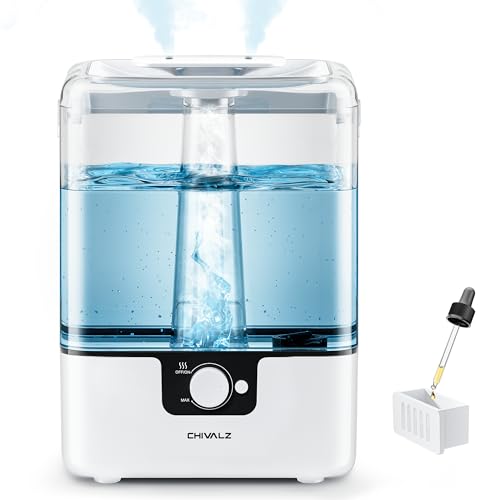
CHIVALZ Humidifiers for Bedroom Large Room, 6L Cool Mist Top Fill Humidifier with Essential Oil Diffuser, 26dB Quiet Ultrasonic Humidifier for Baby Nursery Plants, 50H Runtime Night Light 1 Pack White
- 2-in-1 Humidifier and Oil Diffuser: Delivers fine mist and diffuses essential oils
- Large 6L Water Tank: Provides up to 50 hours of continuous mist
- Auto Shut-Off Safety Feature: Prevents damage when water is low
As an affiliate, we earn on qualifying purchases.
Frequently Asked Questions
How Do I Identify Hidden Mold Behind Walls?
To identify hidden mold behind walls, start with thorough mold detection and wall inspection. Look for signs like musty odors, discoloration, or peeling paint. Use a moisture meter to detect damp areas that could harbor mold. If you notice these signs, consider removing a small section of the wall for closer inspection or hire a professional for more advanced testing. Addressing hidden mold early prevents health issues and structural damage.
Are There Eco-Friendly Mold Prevention Methods?
You can prevent mold naturally by using biodegradable sprays and natural fungicides, which are eco-friendly options. These products help inhibit mold growth without harming the environment or your indoor air quality. Regularly ventilate your space, fix leaks promptly, and keep humidity levels low. By choosing biodegradable sprays and natural fungicides, you effectively fight mold while supporting a healthier, greener home environment.
Can Mold Damage Affect Indoor Air Quality Long-Term?
Mold damage can silently turn your home’s air into a toxic fog. Long-term exposure may lead to health issues, making mold remediation essential for an indoor detox. Mold spores linger like unwelcome guests, affecting your air quality and well-being. Acting promptly helps prevent these risks, ensuring your space stays fresh and safe. Don’t wait until mold becomes a bigger problem; tackle it early to protect your indoor air and health.
What Are Safe DIY Methods to Remove Mold?
When tackling mold, DIY removal can be effective if you act quickly. Use protective gear like gloves and masks, then scrub moldy surfaces with a mixture of water and detergent. Afterward, consider applying mold-resistant paints to prevent future growth. Remember, for extensive mold, it’s best to consult professionals. But for small areas, DIY methods combined with mold-resistant paints can help keep your space healthier.
How Does Humidity Level Vary With Different Climates?
You’ll notice that humidity levels change across different climate zones due to geographic features and weather patterns. In tropical areas, humidity fluctuates often and stays high, while desert climates experience low and stable humidity. These fluctuations impact how much mold can grow, so understanding your local climate zone helps you manage indoor moisture effectively. Adjusting humidity levels indoors is essential, especially during seasonal changes, to prevent mold growth.
Conclusion
Don’t let mold take over your space. You might think it’s too much work to keep humidity in check, but the effort is worth it for your health and home. With simple tools like dehumidifiers and good ventilation, you can prevent mold growth easily. Remember, ignoring the problem only makes it worse—and more expensive. Take action now, and breathe easier in a mold-free environment. Your home, and your lungs, will thank you.