As you age, reaching high shelves becomes more challenging because your balance, strength, and vision naturally decline. You might feel less stable when stretching or climbing, increasing the risk of falls or injuries. Poor eyesight and cluttered spaces also make it harder to locate or grab items safely. To stay safe, you may need to reorganize or seek support. Keep exploring to understand more about how these issues can be managed effectively.

Get decor and gifts delivered free with Prime
- Fast, free delivery on millions of items
- Prime Video, Amazon Music and more included
- Member-only deals all year
Key Takeaways
- Aging reduces balance and stability, making reaching high shelves riskier and increasing fall potential.
- Visual decline hampers accurate distance judgment, complicating efforts to access top shelves safely.
- Loss of muscle strength and coordination makes stretching or climbing more difficult and unsafe.
- Cluttered environments and poor lighting obscure objects, heightening difficulty and accident risk.
- Reduced physical agility makes quick or awkward movements near high shelves more hazardous.
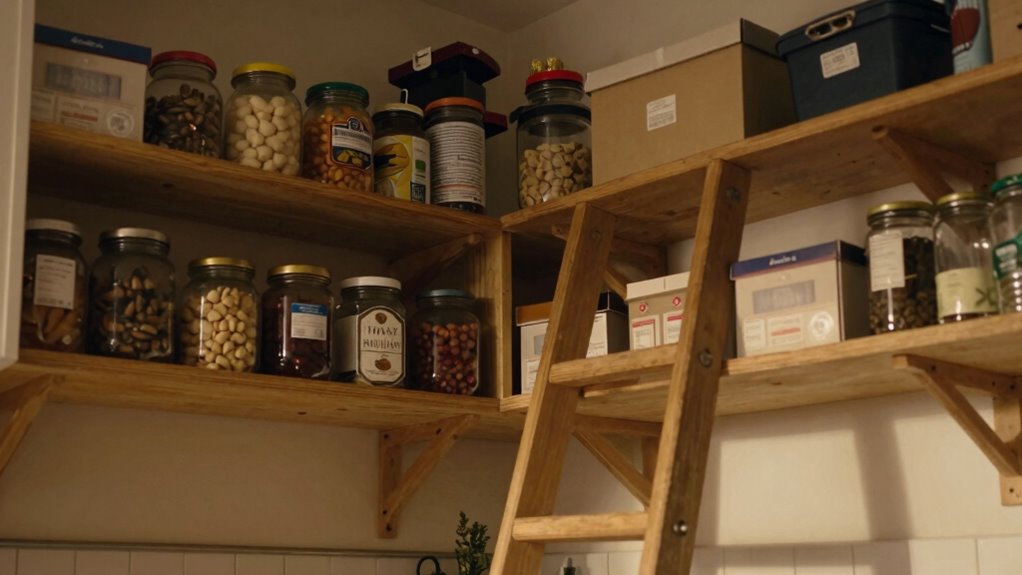
As you age, reaching for items on high shelves can become increasingly challenging, and this difficulty often catches people off guard. Your balance challenges grow more noticeable, making it riskier to stretch or climb. When you’re trying to grab something at the top of a cupboard or a tall bookcase, you might find yourself wobbling slightly or feeling unstable. This isn’t just about physical strength; it’s about how your sense of balance changes over time. As your inner ear and muscles adjust less efficiently, maintaining stability becomes harder, especially during quick or awkward movements. Even a small loss of balance can lead to falls or injuries, which is why these everyday tasks become more intimidating as you age. Additionally, visual perception can decline with age, further complicating the process of locating and reaching for items on high shelves. Being aware of these changes can prompt you to adopt safer practices proactively. Moreover, home modifications can play a crucial role in reducing the risks associated with reaching high shelves and improving overall safety.
As you age, balance challenges make reaching high shelves riskier and more difficult.
In addition to balance challenges, visual clutter can make reaching for high shelves more complicated. When your eyesight isn’t as sharp or your ability to focus diminishes, it’s easier to miss objects or misjudge distances. You might stand on tiptoes, stretch your arm, and still struggle to see exactly where the item is. Sometimes, cluttered or poorly lit spaces add to the confusion, making it difficult to locate things or gauge how far away they are. This visual disarray increases the risk of knocking items over or dropping something, which can lead to accidents or injuries. It’s common to feel frustrated when you can’t easily spot or reach what you need, and clutter only amplifies that frustration. Being mindful of home organization can also help reduce the risk of accidents by keeping pathways clear and items within easy reach.
Because of these combined factors, high shelves often become less practical and more hazardous with age. You might find yourself avoiding the top shelves altogether or needing help to retrieve items, which can be inconvenient or embarrassing. This situation can also lead to a cluttered environment, as you leave things within easier reach, but that clutter can itself become a safety hazard. When things are piled up or stored haphazardly, it’s easier to trip or knock something over. Managing visual clutter and addressing balance challenges by reorganizing storage or installing supportive devices can make a significant difference, but many people overlook these adjustments until accidents happen. Being proactive about home safety can help prevent these issues before they lead to falls.
Ultimately, understanding why high shelves pose a bigger problem with age is key to preventing falls and making daily life safer. Recognizing how balance challenges and visual clutter contribute to this issue allows you to plan better solutions—like lower shelving, grab bars, or improved lighting—so you can continue to access your belongings comfortably and safely.
reacher grabber tool for seniors
As an affiliate, we earn on qualifying purchases.
As an affiliate, we earn on qualifying purchases.
Frequently Asked Questions
How Can I Safely Access High Shelves as I Age?
To safely access high shelves as you age, you should invest in ergonomic design tools like sturdy step stools or lightweight ladders with handrails. Always use safety precautions, such as ensuring the ladder is stable, having someone spot you, and avoiding overreaching. Regularly check your equipment for stability and wear. Prioritizing these strategies minimizes risk and maintains your independence when reaching for items on high shelves.
Are There Specific Tools That Make Reaching High Shelves Easier?
Specialized ergonomic tools and assistive devices simplify reaching high shelves. Consider a sturdy step stool with a non-slip surface, a lightweight grabber with an adjustable arm, or a telescoping tool that extends your reach effortlessly. These tools boost balance, banish the bother of climbing, and bring items closer without straining. With these assistive devices, you’ll handle high shelves safely, smoothly, and swiftly, making everyday tasks easier and more enjoyable.
Do Height Restrictions in Homes Change With Age?
Yes, height restrictions in homes often change with age, making storage optimization and furniture arrangement more important. As you age, reaching high shelves becomes harder, so you might prefer lower, more accessible storage options. Adjusting your home layout guarantees safety and convenience, reducing the need for risky climbs. Incorporating ergonomic furniture and strategic shelving helps maintain functionality, making everyday tasks easier and your space more comfortable as your mobility changes over time.
What Are Alternative Storage Ideas for High Shelves?
You can use decorative displays or seasonal decorations on high shelves to make storage both functional and attractive. Consider installing pull-down mechanisms or step stools to access items easily. Baskets or storage bins designed for high shelves also help organize seasonal decorations and less-used items. For safety, keep frequently used essentials within reach, and reserve high shelves for decorative displays or seasonal decorations that don’t require daily access.
How Does Vision Decline Affect Reaching High Shelves?
As your vision impairment and depth perception decline with age, reaching high shelves becomes more challenging. You might misjudge distances or struggle to see objects clearly, increasing the risk of falling or dropping items. These changes make it harder to judge how far away or how high an object is, so you should consider using step stools or ask for assistance to stay safe and prevent accidents when accessing high shelves.
Conclusion
As you age, those high shelves can feel like mountains you’re no longer equipped to climb. Your body’s changing landscape makes reaching for items feel more like scaling a cliff than grabbing a book. Recognizing this shift is key—think of it as adjusting your map to navigate your home more safely. By making simple changes, you can keep your space accessible, turning those towering shelves from obstacles into opportunities for smarter living.
Halloween Picks
halloween
As an affiliate, we earn on qualifying purchases.