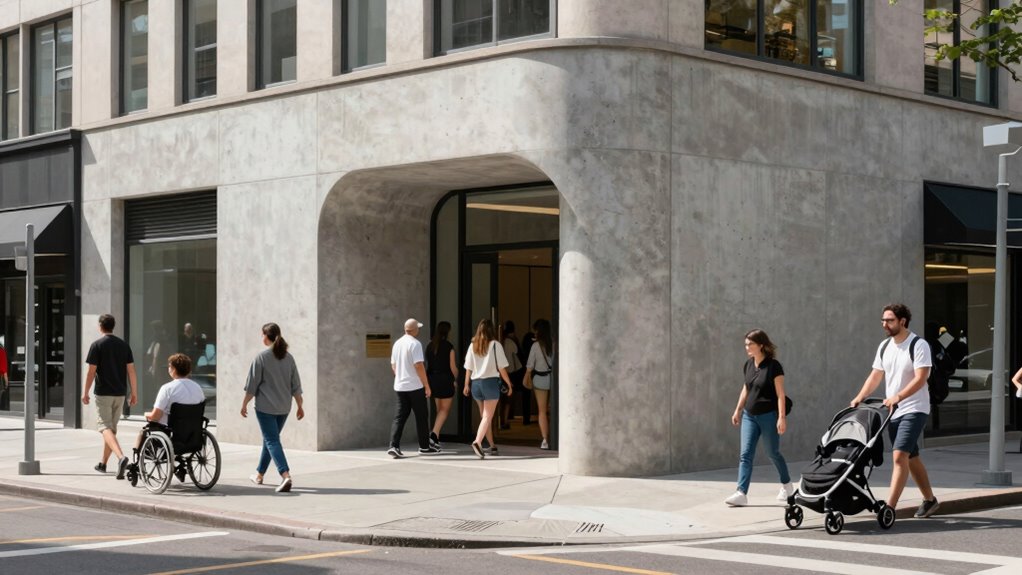

Planning for step-free entry early guarantees your entrance is safe, inclusive, and cost-effective. It helps you avoid costly retrofits later and creates a seamless, attractive design that benefits everyone, from visitors with strollers to those with mobility challenges. By considering accessibility early, you support safety during emergencies, boost your property’s value, and stay compliant with standards. Keep exploring to learn how early planning can make a real difference for your property’s long-term comfort and appeal.

Get decor and gifts delivered free with Prime
- Fast, free delivery on millions of items
- Prime Video, Amazon Music and more included
- Member-only deals all year
Key Takeaways
- Early planning prevents costly retrofits and ensures seamless, compliant access for all users.
- It enhances safety and reduces fall and tripping hazards during emergencies.
- Incorporating step-free entry improves overall property aesthetics and design flexibility.
- Planning ahead boosts property value and marketability to a wider range of buyers.
- It ensures compliance with building codes, avoiding costly modifications later.
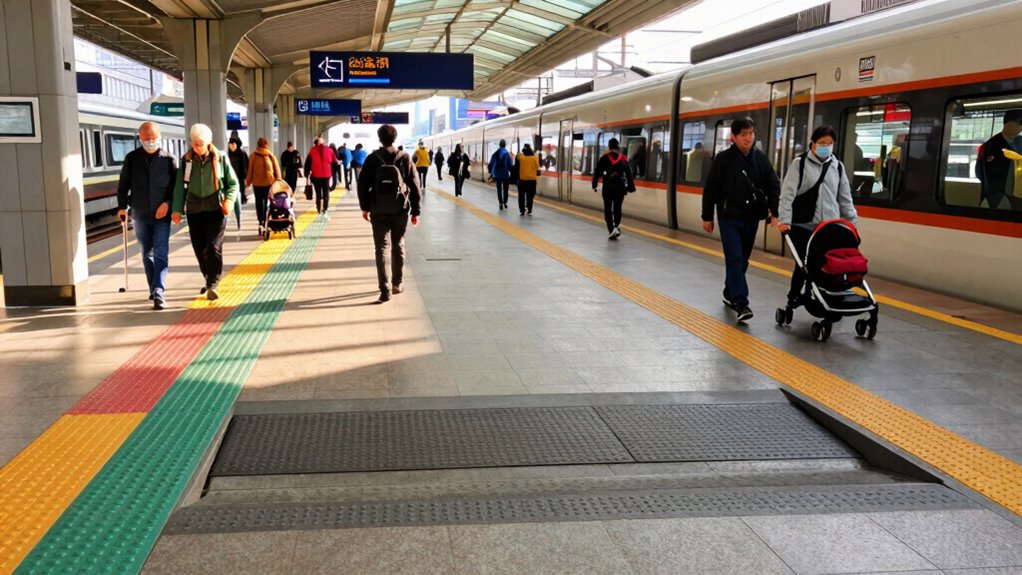
Have you ever considered how accessible your building truly is? When it comes to your home or workplace, planning for step-free entry might not seem urgent, but it’s a key aspect of ensuring everyone’s safety and comfort. Making accessibility upgrades early on isn’t just about convenience—it’s about creating a safer environment for everyone, especially those with mobility challenges or disabilities. Home safety begins with thoughtful design, and incorporating step-free entry from the start can save you time and money later. By addressing potential barriers now, you avoid costly retrofits that can disrupt daily life and compromise security.
Planning for step-free entry early ensures safety, saves money, and creates a more inclusive, accessible space for everyone.
Starting your planning early means you’re more likely to design an entrance that’s seamless, functional, and compliant with accessibility standards. When you delay, you might find yourself faced with limited options or having to make hurried decisions under pressure—neither of which guarantees the best outcome. An accessible entryway doesn’t just benefit those with temporary or permanent mobility issues; it enhances overall safety for everyone. For example, elderly family members or visitors with strollers will appreciate a smooth, level entrance, reducing fall risks and easing movement. Furthermore, a step-free entry can be especially essential during emergencies, allowing for quick evacuation or access for emergency responders.
Thinking ahead about accessibility upgrades also aligns with good home safety practices. A step-free entry minimizes tripping hazards, which are among the leading causes of injuries at home. It’s a proactive way to reduce accidents and promote independence for individuals who might otherwise struggle with stairs or uneven surfaces. When planning for these upgrades early, you can select appropriate materials, ramps, or threshold designs that blend seamlessly into your overall aesthetic. This foresight ensures your space remains both functional and visually appealing, without the need for disruptive renovations later on. Additionally, considering biodiversity principles during design can promote more sustainable and environmentally friendly solutions for accessibility features.
Furthermore, planning for step-free entry early on can increase your property’s value and appeal. Accessibility features are increasingly sought after, especially by buyers who prioritize safety and inclusivity. Incorporating these features upfront can make your property more marketable and reduce future renovation costs. Designing with accessibility in mind can also attract a broader range of potential buyers, making your property stand out in a competitive market. Being aware of building codes and standards early on ensures your project remains compliant and avoids costly modifications later. Moreover, early planning allows you to incorporate innovative and cost-effective solutions that can enhance both safety and aesthetics.
Overall, it’s a wise investment in your property’s longevity, safety, and livability. In short, thinking about step-free entry early on isn’t just about compliance or modern trends; it’s about prioritizing safety, convenience, and accessibility for everyone who uses your space. It’s a simple step that pays off in the long run—ensuring that your home or building remains welcoming, safe, and inclusive for years to come.
As an affiliate, we earn on qualifying purchases.
Frequently Asked Questions
How Do I Assess if My Property Needs Step-Free Entry?
You can assess if your property needs step-free entry by examining the entrance for barriers like stairs or uneven surfaces. Consider accessibility improvements if you or visitors have mobility challenges. Evaluate existing property modifications, such as ramps or widened doorways, to see if they meet current needs. If you notice difficulties or anticipate future requirements, planning for step-free entry now guarantees safety, convenience, and inclusivity for everyone.
What Are the Cost Implications of Installing Step-Free Access?
Like laying the foundation of a sturdy house, installing step-free access involves costs that vary based on your property’s needs. Accessibility upgrades can range from simple ramps to complex renovations, so expenses differ. However, funding opportunities, grants, and subsidies can help offset these costs. Planning early guarantees you explore all options, avoid surprises, and make cost-effective decisions, ultimately creating a welcoming space for everyone.
Are There Specific Building Codes for Step-Free Entry?
Yes, there are specific building codes for step-free entry. Accessibility regulations and building standards require that entrances be designed to accommodate everyone, including those with mobility challenges. You need to guarantee compliance with local laws, which often specify minimum widths, ramp slopes, and surface requirements. Planning for step-free access early helps you meet these regulations efficiently, avoiding costly modifications later and making your building more inclusive from the start.
How Long Does It Typically Take to Implement Step-Free Entry?
Implementing step-free entry usually takes a few weeks to a couple of months, depending on your project’s scope. Accessibility improvements and design considerations flow together like a well-orchestrated symphony, requiring careful planning and coordination. You’ll need to work with contractors, obtain permits, and guarantee compliance with building codes. Starting early clears the path for smoother execution, so you enjoy the benefits of inclusive access sooner rather than later.
Can Temporary Solutions Be Used During the Planning Phase?
Yes, you can use temporary ramps and portable solutions during the planning phase. These options help guarantee accessibility while permanent solutions are being arranged. Temporary ramps are quick to install and cost-effective, providing immediate step-free entry. Portable solutions, like foldable ramps, are versatile and easy to move for different situations. Using these options demonstrates your commitment to accessibility and allows time to properly plan and implement a long-term, permanent solution.
Conclusion
Think of your building as a welcoming garden gate. Planning step-free entry early is like installing a smooth, wide path that everyone can easily walk through, no matter their age or mobility. When you lay the groundwork now, you create an open, inviting space where all visitors can enter effortlessly. Just as a well-tended garden blooms more beautifully, a thoughtfully designed entry guarantees your space is accessible and ready for everyone, whenever they arrive.
Columbus Day / Indigenous Peoples' Day Picks
long weekend sales
As an affiliate, we earn on qualifying purchases.