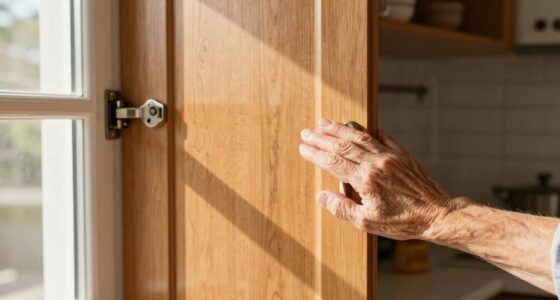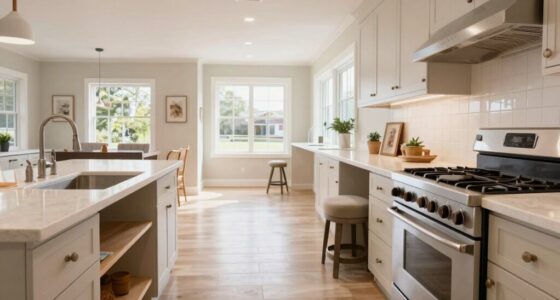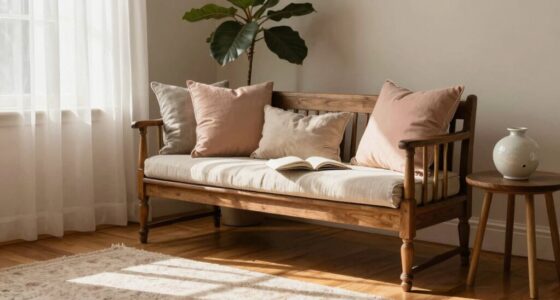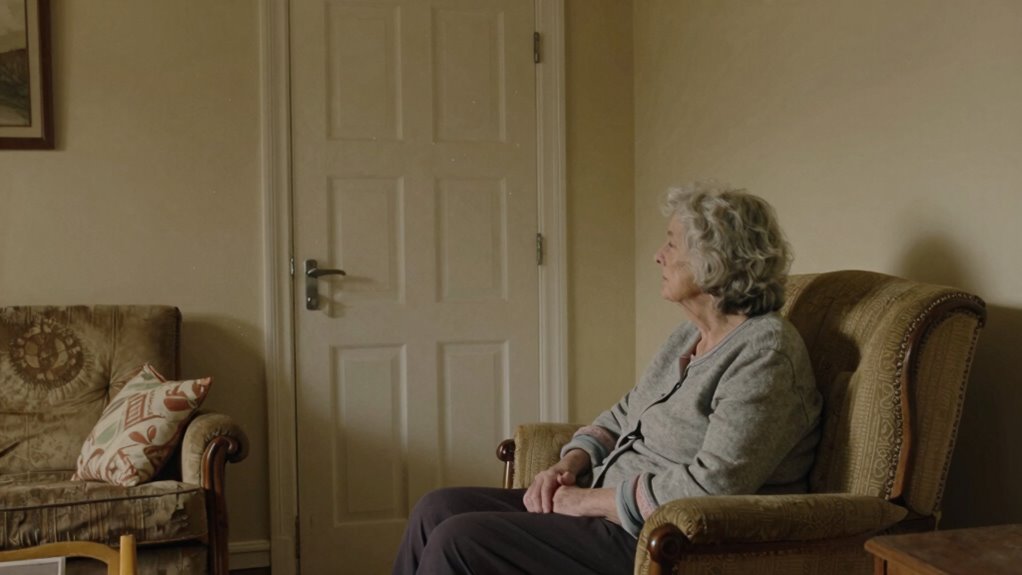

You might notice seniors stop using certain rooms because these spaces no longer feel safe, comfortable, or inviting. Cluttered areas, poor lighting, and awkward furniture placements make navigation difficult and can cause safety concerns. Over time, these issues make the room less appealing, discouraging use. Small changes can make a big difference in restoring comfort and warmth. Keep exploring to discover simple ways to create a more welcoming space that encourages ongoing enjoyment.

Get decor and gifts delivered free with Prime
- Fast, free delivery on millions of items
- Prime Video, Amazon Music and more included
- Member-only deals all year
Key Takeaways
- Poor furniture arrangement creates obstacles, making rooms difficult to navigate safely for seniors.
- Inadequate lighting reduces visibility, increasing fear of falling and discouraging room use.
- Cluttered spaces overwhelm seniors, leading to avoidance of those areas.
- Unwelcoming or emotionally uninviting atmospheres diminish seniors’ desire to spend time in certain rooms.
- Safety hazards like uneven surfaces or obstructed pathways contribute to seniors avoiding specific rooms.
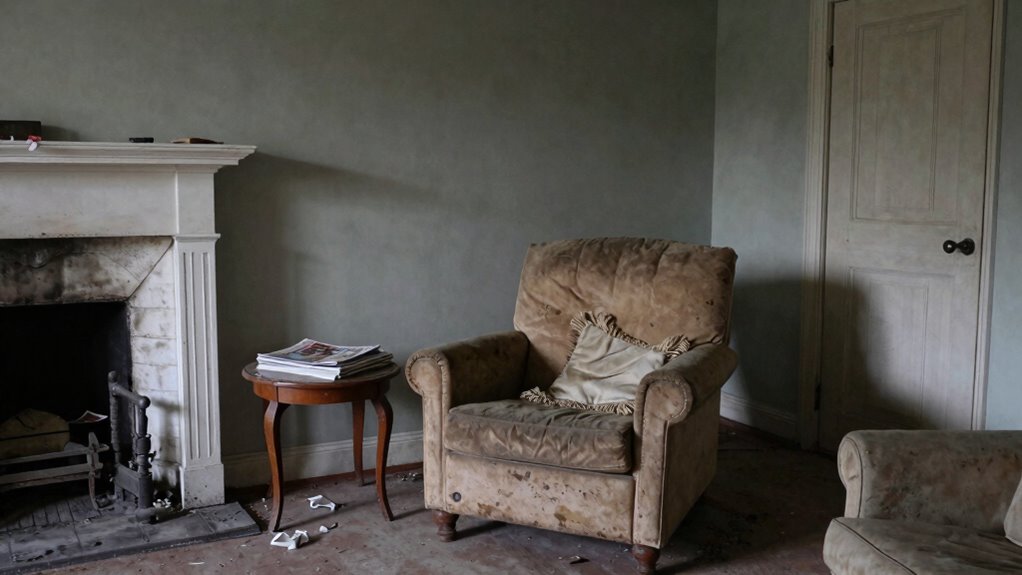
Many seniors stop using certain rooms in their homes without realizing the underlying reasons, often related to comfort, safety, or emotional well-being. One common issue revolves around furniture arrangement. Over the years, furniture can become cluttered or poorly positioned, making a room feel cramped or difficult to navigate. If chairs and tables are placed in awkward spots, or if pathways are blocked, it can discourage you from spending time there. You might find yourself avoiding a room simply because moving around feels unsafe or uncomfortable. Rearranging furniture to create clear, open pathways can make a significant difference. Guaranteeing that frequently used pieces are within easy reach and that the layout allows for smooth movement helps restore confidence in using the space. Paying attention to lighting preferences is also crucial, as lighting plays a vital role in how inviting or safe a room feels. As you age, your eyesight might decline, making poorly lit areas seem more intimidating or unwelcoming. Rooms that are dim or have uneven lighting can trigger frustration or even fears about tripping or falling. Conversely, overly bright lighting can cause discomfort or glare, especially if you are sensitive to harsh lights. Finding a balance that suits your needs is key. Installing adjustable lighting options, such as dimmer switches or task lights, allows you to customize the ambiance and guarantee the room feels inviting and safe. Natural light is also essential; rooms lacking windows or with heavy curtains can feel gloomy, discouraging you from entering. Opening up space to let in more sunlight or adding mirrors to reflect light can brighten the room and make it more appealing. Additionally, lighting quality also affects how well you can see and navigate the space, impacting overall safety. Improving room organization can further reduce clutter and make spaces easier to manage comfortably. When a room feels cluttered, it can also contribute to feelings of overwhelm or anxiety, making it less desirable to spend time in. Creating a consistent maintenance routine can help keep the space organized and prevent clutter from accumulating again. Beyond just the physical aspects, your emotional connection to a space influences whether you use it. If a room no longer feels welcoming—perhaps because it’s associated with difficult memories or feels too isolated—you might avoid it altogether. Making small changes like cozying up the space with familiar decor or assuring it feels warm and inviting can help rekindle your interest in spending time there. Sometimes, these changes are simple but impactful, transforming a room from a place you avoid into one you enjoy. Ultimately, the reasons behind seniors stopping use of certain rooms often boil down to comfort, safety, and emotional well-being. Adjustments to furniture arrangement and lighting preferences can make a room feel safer, more accessible, and more inviting. When those elements align with your needs, you’re more likely to feel comfortable and motivated to reclaim those spaces as part of your daily life.
adjustable LED floor lamps for seniors
As an affiliate, we earn on qualifying purchases.
As an affiliate, we earn on qualifying purchases.
Frequently Asked Questions
How Can I Make Rooms More Accessible for Seniors?
To make rooms more accessible for seniors, consider their decorative preferences by choosing clear, simple designs and comfortable furniture. Guarantee pathways are wide and free of clutter for easier navigation. Enhance social interactions by arranging seating to promote conversation and providing adequate lighting. These adjustments help seniors feel comfortable and engaged, encouraging them to use the space more often, while respecting their aesthetic tastes and promoting social connections.
Are There Safety Devices to Prevent Falls in Unused Rooms?
You can install safety devices like alarm systems and non-slip flooring to prevent falls in unused rooms. Statistically, falls are the leading cause of injury among seniors, making these measures essential. Alarm systems notify you instantly if someone enters or falls, while non-slip flooring reduces the risk of slips. Together, they create a safer environment, encouraging seniors to feel secure and more confident in using all areas of their home.
What Psychological Factors Influence Seniors’ Room Preferences?
You might notice that seniors’ room preferences are influenced by emotional attachment and room symbolism. They tend to favor spaces that hold special memories or feel familiar, providing comfort and security. Conversely, they may avoid rooms associated with negative experiences or loss. These psychological factors shape their choices, making it essential to create environments that evoke positive feelings and respect personal symbolism to encourage continued use and emotional well-being.
How Do Lighting Conditions Affect Seniors’ Room Usage?
Lighting conditions profoundly influence your room usage because good lighting design enhances visual comfort, making spaces more inviting. When lighting is too dim, you might feel unsafe or strain your eyes, leading to less frequent use. Conversely, overly bright lighting can cause discomfort. Proper lighting balances brightness and warmth, helping you see clearly, feel relaxed, and enjoy your space more fully. This, in turn, encourages you to spend more time in various rooms.
Can Home Modifications Encourage Seniors to Use More Rooms?
Ever wonder how to make your home truly inviting? Home modifications, like smart technology and cozy touches, can encourage seniors to use more rooms. You can install voice-activated lighting, automated blinds, or easy-to-reach shelves, boosting both safety and independence. These updates foster emotional comfort, making each space appealing. Isn’t it worth creating a home where your loved ones feel confident and enthusiastic to spend time?
Conclusion
Now, imagine walking into a room so uninviting that even the walls seem to recoil, and the furniture whispers, “Not today.” When seniors avoid certain spaces, it’s like they’re dodging invisible landmines—fear, discomfort, or confusion lurking beneath the surface. By understanding these hidden reasons, you can transform that cold, unwelcoming room into a warm haven, where every step feels like a hug, and no one feels like they’re walking on a battlefield.
Halloween Picks
halloween
As an affiliate, we earn on qualifying purchases.