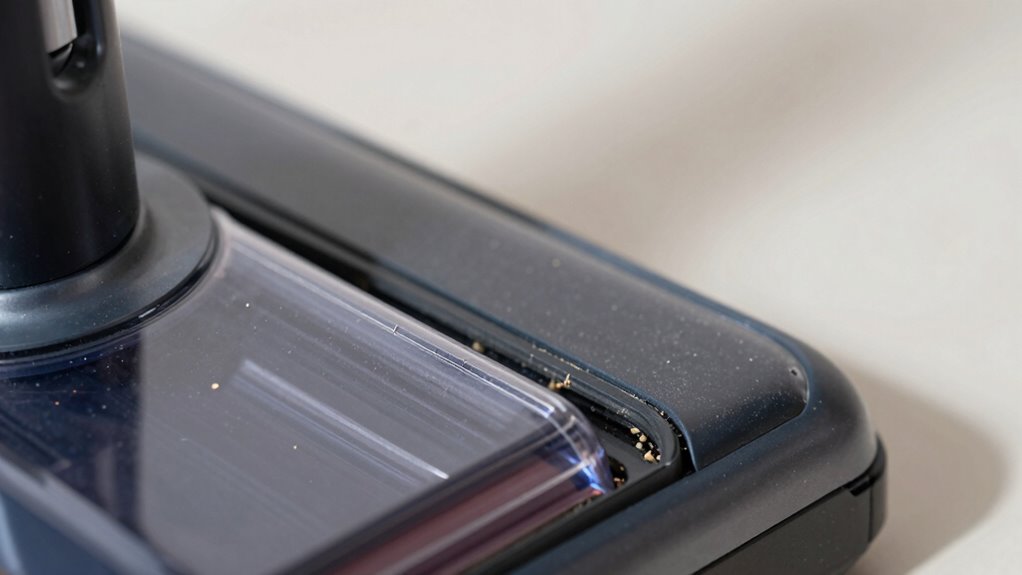

A sealed system works by keeping air and allergens out, but even tiny leaks—smaller than a hair or microscopic cracks—can ruin it. When these leaks form, your vacuum can’t maintain proper pressure, allowing dust, moisture, and allergens to slip in. This reduces its effectiveness for allergy control and shortens its lifespan. If the seal is compromised, your system struggles to protect you. To prevent and fix these issues, you’ll want to understand how tiny leaks develop and how to spot them.
Key Takeaways
- Tiny leaks break the airtight seal, allowing outside air, dust, and allergens to enter the vacuum system.
- Even microscopic cracks or holes can significantly reduce vacuum pressure and cleaning effectiveness.
- Small leaks cause faster filter clogging and diminished suction, compromising allergy control.
- Regular inspection and sealing of hoses, gaskets, and seals prevent tiny leaks from developing.
- Unaddressed leaks lead to system wear, reduced lifespan, and decreased air quality protection.
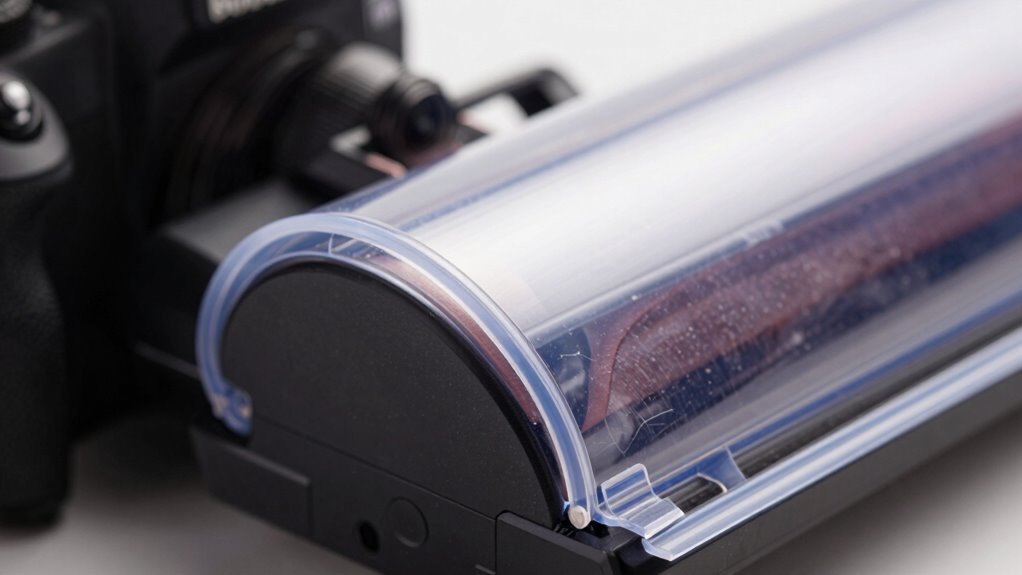
Have you ever wondered how a sealed system works and why it’s important? When it comes to vacuum systems, maintaining the vacuum integrity is essential. Any tiny air leak can compromise the entire system, turning what should be a perfect seal into a weak point that lets air seep in. This small flaw might seem insignificant, but it’s often enough to ruin the effectiveness of the vacuum, especially if you’re relying on it for allergy control or sensitive processes. A sealed system is designed to create an airtight environment, preventing outside air from entering and contaminating what’s inside. When an air leak occurs, it disrupts this delicate balance, allowing moisture, dust, or allergens to infiltrate. That’s why understanding how even the smallest leak can impact vacuum integrity is vital.
An air leak might be as tiny as a hair or a microscopic crack, yet its effects are far-reaching. When the vacuum system isn’t perfectly sealed, the pressure inside can’t be maintained at the desired level. This loss of vacuum integrity means the system can’t perform its intended function—whether it’s removing allergens from your home or maintaining a sterile environment. You might notice that your vacuum isn’t pulling as strongly, or that filters become clogged faster because dust and particles aren’t being effectively contained. Over time, these leaks can also cause wear and tear on the system, leading to more frequent repairs or replacements. Identifying and sealing these tiny air leaks is key to ensuring your vacuum continues to work efficiently and effectively. Regular inspections and proper maintenance can help prevent these issues from escalating.
Dealing with air leaks isn’t always straightforward, but there are ways to prevent them. Regular inspections of hoses, seals, and gaskets can help spot potential weak points. Using sealants or replacing worn-out parts can restore vacuum integrity and keep the system airtight. It’s also helpful to listen for hissing sounds or use soapy water on suspected areas—bubbles will form if there’s an air leak. Remember, maintaining a sealed system isn’t just about keeping dust or allergens out; it’s about ensuring the vacuum’s performance remains consistent and reliable. When you keep your system airtight, you’re protecting your environment and enhancing the system’s lifespan. Small leaks may seem harmless, but they’re the Achilles’ heel of any vacuum system, undermining its ability to function properly and defeating the purpose of a sealed environment in the first place. Proper maintenance and attention to detail are your best defenses against air leaks, ensuring your vacuum maintains its essential vacuum integrity and keeps your space healthier. Understanding the importance of vacuum system integrity is crucial for maintaining optimal performance and air quality.
Frequently Asked Questions
How Can I Detect a Tiny Leak in My Sealed Vacuum System?
You can detect a tiny leak in your sealed vacuum system by performing leak detection and pressure testing. First, turn off the system and observe the pressure gauge; if pressure drops over time, a leak exists. For more accuracy, use soapy water on suspected areas or a specialized leak detector. Pressure testing helps identify even the smallest leaks, ensuring your vacuum system functions effectively for allergy control.
What Materials Are Best for Sealing Vacuum Systems Against Leaks?
Coincidentally, the best materials for sealing vacuum systems are those compatible with your sealant choice, ensuring a reliable barrier. Use high-quality silicone or EPDM rubber for flexible, durable seals, and consider epoxy or polyurethane for rigid connections. Focus on proper sealing techniques—clean surfaces thoroughly, apply sealant evenly, and allow sufficient curing time. This combination guarantees a tight, long-lasting seal that prevents leaks and maintains vacuum integrity.
How Often Should I Check for Leaks in My Sealed System?
You should check your vacuum system for leaks every 3 to 6 months to ensure peak vacuum maintenance and leak prevention. Regular inspections help you catch tiny leaks early, preventing loss of suction and maintaining allergy effectiveness. Use soapy water or a leak detection kit to identify any cracks or holes. Consistent monitoring keeps your vacuum functioning properly, prolongs its lifespan, and guarantees you get the best allergy relief.
Can a Small Leak Develop Over Time Without Noticeable Signs?
A small leak can quietly creep into your sealed system over time without obvious signs, like a wolf in sheep’s clothing. Regular leak detection and maintenance routines act as your watchdogs, catching these sneaky breaches early. Skipping these checks allows tiny leaks to grow, sabotaging your vacuum’s effectiveness. Stay vigilant, and you’ll keep your system airtight, ensuring it continues to fight allergens effectively.
What Are the Consequences of Ignoring a Tiny Leak in My Vacuum System?
Ignoring a tiny leak in your vacuum system reduces vacuum efficiency, making it harder to pick up dirt and allergens effectively. Over time, this leads to allergen buildup in your home, worsening allergy symptoms. You might also notice your vacuum sounds louder or works harder, but without fixing the leak, you’ll continue to struggle with clean air. Addressing leaks promptly keeps your vacuum running efficiently and maintains a healthier environment.
Conclusion
Now, picture your vacuum as a fortress, perfectly sealed but with a tiny, invisible breach. That tiny leak lets in dust and allergens, turning your powerful tool into a false promise. It’s like a whisper of wind slipping through cracks, undermining your efforts. To truly protect your home, you need to find and fix that leak, sealing your fortress tight. Only then can your vacuum keep the invisible invaders at bay and give you peace of mind.