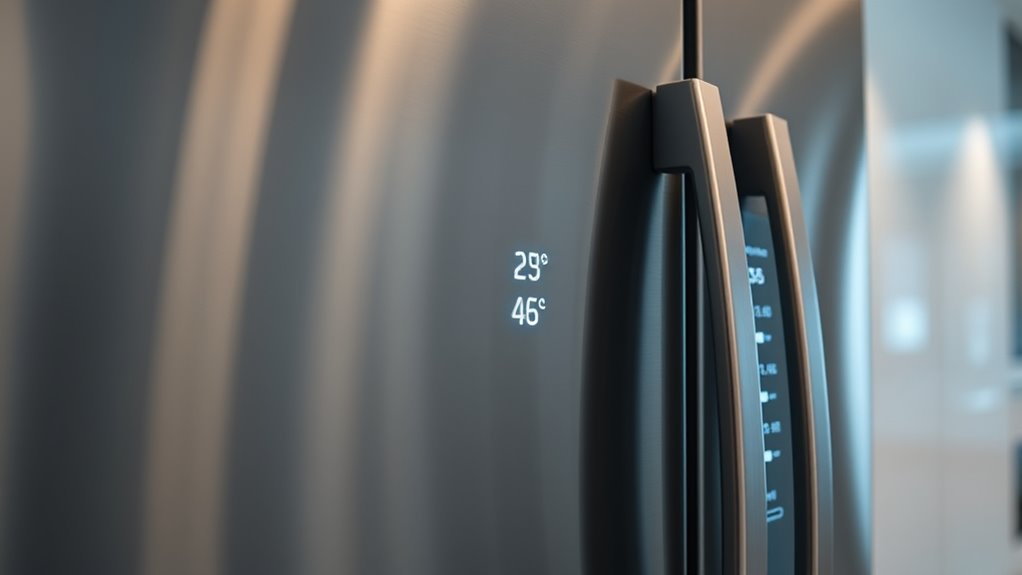

Smart sensors in appliances monitor parameters like temperature, humidity, and usage patterns to optimize their performance in real time. They help you save energy by adjusting operation as needed, detect issues early for proactive maintenance, and enhance convenience by learning your habits for automatic adjustments. These sensors guarantee your appliances run efficiently and reliably while reducing costs and environmental impact. Keep exploring to discover more ways smart sensors can transform your home experience.

Get decor and gifts delivered free — and shop member deals
- Fast, free delivery on millions of items
- Access to Prime Big Deal Days deals on October 6–7
- Prime Video, Amazon Music and more included
Key Takeaways
- Smart sensors continuously monitor parameters like temperature, humidity, and vibration to optimize appliance performance.
- They enable automatic adjustments, improving energy efficiency and reducing unnecessary power consumption.
- Sensors detect potential issues early, facilitating predictive maintenance and preventing costly breakdowns.
- They learn user habits to automate functions, enhancing convenience and seamless integration with daily routines.
- Overall, smart sensors extend appliance lifespan, lower household costs, and promote eco-friendly operation.

Have you ever wondered how your appliances seem to anticipate your needs? It’s almost like they have a mind of their own, adjusting settings or alerting you before a problem even arises. That’s the power of smart sensors in appliances. These tiny but mighty devices constantly monitor various parameters—temperature, humidity, vibration, and usage patterns—to enhance performance and keep everything running smoothly. One key benefit is energy efficiency. By continuously analyzing data, smart sensors help appliances operate only when necessary, reducing unnecessary energy consumption. For example, your smart washing machine might detect the load size and adjust water and cycle duration accordingly, saving both water and electricity. Similarly, smart refrigerators can monitor internal temperatures and humidity levels to keep food fresher longer while minimizing energy use. This constant enhancement not only cuts costs but also reduces your carbon footprint, making your household more eco-friendly. Additionally, sensor technology enables appliances to adapt more precisely to changing conditions and user behaviors, further optimizing their operation.
Beyond saving energy, smart sensors play a critical role in predictive maintenance. Instead of waiting for a breakdown or failure, these sensors alert you early to potential issues, allowing you to address problems before they escalate. Imagine your dishwasher detecting a buildup of debris or a worn-out part and notifying you with an alert. This proactive approach means you avoid costly repairs and inconvenient breakdowns. Predictive maintenance also extends the lifespan of your appliances because it ensures they’re always operating at peak performance. Instead of reactive fixes, you get timely interventions based on real-time data, which keeps your appliances healthier and more reliable over time.
Smart sensors also enhance your overall convenience. They adapt to your habits, learning when you typically use appliances and adjusting their operation accordingly. This means less manual input and more seamless integration into your daily routine. If your smart oven detects that you often cook dinner around 6 pm, it can start preheating in advance or suggest optimal cooking times based on your preferences. The sensors can even coordinate with other smart devices in your home, creating a synchronized environment that responds intuitively to your lifestyle.
As an affiliate, we earn on qualifying purchases.
Frequently Asked Questions
How Do Smart Sensors Improve Appliance Energy Efficiency?
Smart sensors improve your appliance’s energy efficiency by constantly monitoring energy consumption and adjusting usage accordingly. They detect patterns and anomalies, helping you identify waste. Proper sensor calibration guarantees accurate readings, optimizing performance. When sensors are well-calibrated, your appliances use only the necessary energy, reducing waste and saving you money. This real-time monitoring and adjustment make your appliances smarter, more efficient, and environmentally friendly.
What Are the Privacy Concerns With Smart Sensor Data?
While smart sensors make your appliances smarter, they also raise privacy concerns. You might worry about data security breaches or your personal information being exposed. These sensors collect detailed usage data, risking your user privacy if not properly protected. To stay safe, verify your devices have robust security measures and transparent privacy policies. Being aware helps you balance the benefits of smart technology with the need to protect your personal data.
Can Smart Sensors Detect Appliance Malfunctions Early?
Yes, smart sensors can detect appliance malfunctions early through predictive diagnostics. They monitor performance in real time, identifying irregularities before they become major issues. When a problem is detected, you receive real-time alerts, allowing you to address potential faults promptly. This proactive approach helps prevent appliance breakdowns, saves you money on repairs, and extends the lifespan of your appliances by catching issues early.
Are Smart Sensors Compatible With All Appliance Brands?
Like a universal translator for appliances, smart sensors don’t fit all brands seamlessly. Compatibility depends on the appliance’s design and whether sensor integration is built-in or can be retrofitted. While some brands embrace this technology, others may require adapters or won’t support smart sensors at all. Before purchasing, check the appliance’s specifications and consult the manufacturer to guarantee your smart sensor will blend harmoniously with your device.
What Is the Maintenance Requirement for Smart Sensors?
You need to regularly maintain your smart sensors by checking sensor calibration and performing firmware updates. Calibration guarantees accurate readings, so follow the manufacturer’s instructions for periodic checks. Firmware updates improve sensor performance and security, so stay current with updates. Keep sensors clean and free of dust or debris, and replace them if they become damaged. Proper maintenance ensures your smart sensors operate efficiently and extend their lifespan.
Conclusion
By now, you see how smart sensors revolutionize appliances, making them more efficient and responsive. They help you monitor performance, save energy, and troubleshoot issues before they become major problems. Just like the legendary automaton of Da Vinci’s time, these sensors bring a touch of magic to everyday life—only this time, it’s real. Embrace this tech and enjoy smarter, more reliable appliances that keep pace with your busy life. The future’s here, so why not ride the wave?
Fall Picks
fall essentials
As an affiliate, we earn on qualifying purchases.