TL;DR

Get decor and gifts delivered free with Prime
- Fast, free delivery on millions of items
- Prime Video, Amazon Music and more included
- Member-only deals all year
House Beautiful reports that interior designers see homeowners making recurring mistakes when bringing vintage and antique pieces into their homes. Their advice includes starting with small finds, mixing periods and price points, and treating vintage pieces as part of a room rather than requiring them to dominate it.
House Beautiful has published advice from interior designers on common mistakes that can make vintage and antique decor feel out of place, including buying too much too quickly and assuming an old piece must be the room’s focal point. The designers recommend building rooms gradually and mixing pieces across eras, styles and price points.
The report draws on comments from designers including Sarah West, founder of Sarah West & Associates; New York-based decorator and vintage collector Nancy Cavaliere; and Alex Bass, founder of Salon 21. Their guidance is practical rather than prescriptive: they say there are no fixed rules for decorating with vintage finds, and that personal preference should guide the choices.
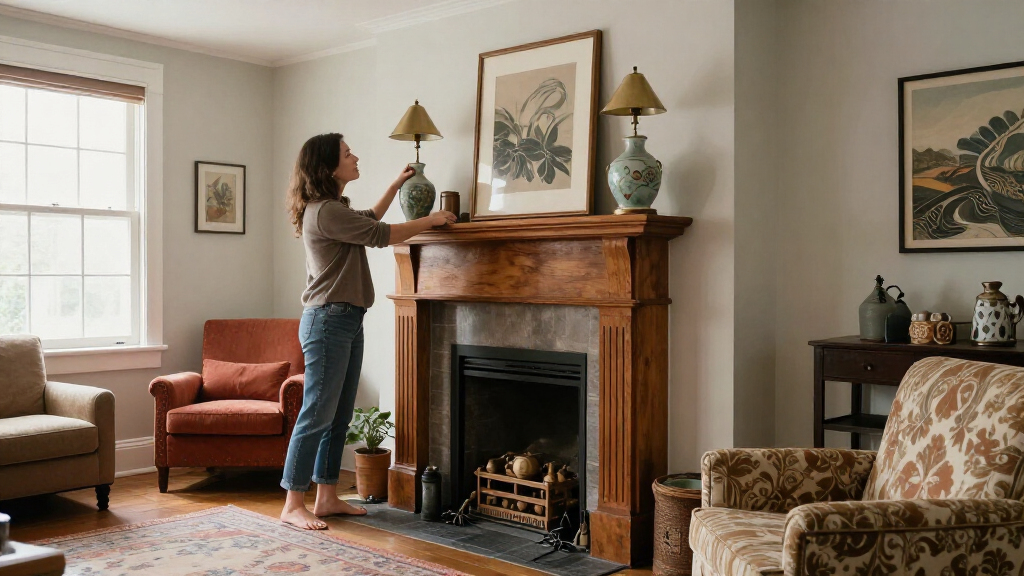
One recurring pitfall is overcommitting at the outset. Cavaliere cautions that trying to furnish an entire room quickly can lead people to accept pieces they do not really like simply to fill a space. She recommends waiting for the right item, while West suggests testing a small object—such as art, a mirror or a vase—in a room for a few days and moving it around before deciding where it belongs.
The designers also reject the idea that every antique needs to be displayed as a showpiece, or that a room must represent a single design period. Cavaliere says an unusual vintage item can sit comfortably beside ordinary furnishings. Bass describes combining pieces from different periods, while West says vintage objects can add character even when placed off to the side rather than at the center of a room.
How Vintage Finds Fit Modern Rooms
The advice addresses a common practical challenge for homeowners: finding a place for distinctive older pieces without making a room feel like a period set or a collection assembled in one shopping trip. The designers’ approach gives readers permission to combine new and old furnishings and to make decisions gradually, instead of treating a particular era or trend as a decorating rule.
The guidance may also help limit rushed purchases. As Cavaliere explains, furnishing a room on a tight timetable can encourage buyers to settle for items they later regret. Taking time to source and test individual pieces lets homeowners judge how each one works with the room’s existing furniture, colors and materials. The report does not offer measured outcomes or claim that one arrangement works for every home; it presents the designers’ professional views and examples.
Products Worth Considering

Levoit Core 400S-P Smart Air Purifier for Large Rooms (Up to 1,718 sq ft)

eufy Security Video Doorbell E340, Dual Cameras, 2K FHD, 8GB Local Storage

Bose TV Speaker (2nd Gen) Compact Soundbar
As an affiliate, we earn on qualifying purchases.
A Shift Toward Collected Interiors
House Beautiful frames the advice against a reported appetite for homes that feel collected and personal, rather than rooms where every item appears to have been purchased from one retailer at once. West says that even a modern or transitional room can benefit from an antique or vintage object because it adds a sense of history.
The article also pushes back on treating design periods as short-lived trends. Bass points to the tendency to label one style fashionable and another outdated, and argues that Art Deco and midcentury modern are established design periods that can be combined. As examples of materials that can bridge styles, she mentions marble, warm woods, mixed metals and bold color accents. These are designer suggestions, not a guarantee that every combination will suit every space.
“I think it’s important to add at least some kind of antique or vintage piece in every room.”
— Sarah West, founder of Sarah West & Associates
Advice, Not Universal Decorating Rules
The source presents designers’ opinions and recommendations, not a survey or research study measuring how common these mistakes are. It does not establish that all homeowners are turning toward vintage decor, nor does it provide data on purchasing habits or the results of the suggested styling choices.
The supplied article text also ends partway through a section titled “Being Afraid to Alter Your Pieces.” It therefore does not provide the full explanation of that potential mistake or the designers’ complete recommendations about altering vintage items. Readers should not infer specific restoration or modification advice from the incomplete material.
Try Pieces Before Committing
The designers’ immediate suggestion is to start with one small piece, place it in a room and see how it feels over several days. Readers can move it, pair it with existing furnishings and decide whether it belongs before making larger purchases. The report does not announce a follow-up study, product release or scheduled next step; its guidance leaves the final choices to each homeowner’s taste and space.
Key Questions
What vintage-decor mistakes does the report identify?
The supplied material discusses buying too much too quickly, assuming an antique must be the room’s focal point and believing a room has to represent one design era. It begins a section about being afraid to alter vintage pieces, but the provided text cuts off before explaining it fully.
How should someone start styling vintage decor?
Sarah West recommends beginning with a small item, such as art, a mirror or a vase. Try it in the room for a few days, move it to different spots and assess how it works with the surrounding pieces.
Do all the pieces in a room need to come from the same era?
No. The designers interviewed by House Beautiful recommend mixing periods and styles when the pieces work together and appeal to the homeowner. They do not suggest that every combination will suit every room.
Does an antique have to be the focal point?
No. Cavaliere says an older piece can sit alongside more ordinary furnishings without being put on display as the room’s star. West also describes vintage objects as adding interest when placed away from the central focal point.
Is this report based on research about decorating trends?
The supplied material is a House Beautiful report featuring designer commentary. It does not include survey data or measurements establishing how widespread the decorating choices or mistakes are.
Source: housebeautiful.com