Vacuum cleaners work by creating a strong suction using a powerful motor that generates an air pressure difference, pulling in dust, dirt, and microscopic particles from your floors. Effective suction is essential for removing allergens like dust mites, pollen, and pet dander, especially when combined with high-quality filtration like HEPA filters, which trap 99.97% of tiny particles. Understanding how suction and filtration work together can help you choose the best vacuum for a cleaner, healthier home.
Open a free Amazon Business account
Business pricing, bulk buying and tax-exempt orders.
As an affiliate, we earn on qualifying purchases.
Key Takeaways
- Powerful motors create a pressure difference that generates suction, enabling effective removal of debris and microscopic particles.
- High suction power is essential for pulling in dust mites and allergens from carpets and upholstery.
- HEPA filters trap at least 99.97% of particles as small as 0.3 microns, preventing allergen recirculation.
- Combining strong suction with efficient filtration enhances overall cleaning and improves indoor air quality.
- Proper vacuum design and regular maintenance ensure sustained suction strength and optimal filtration performance.
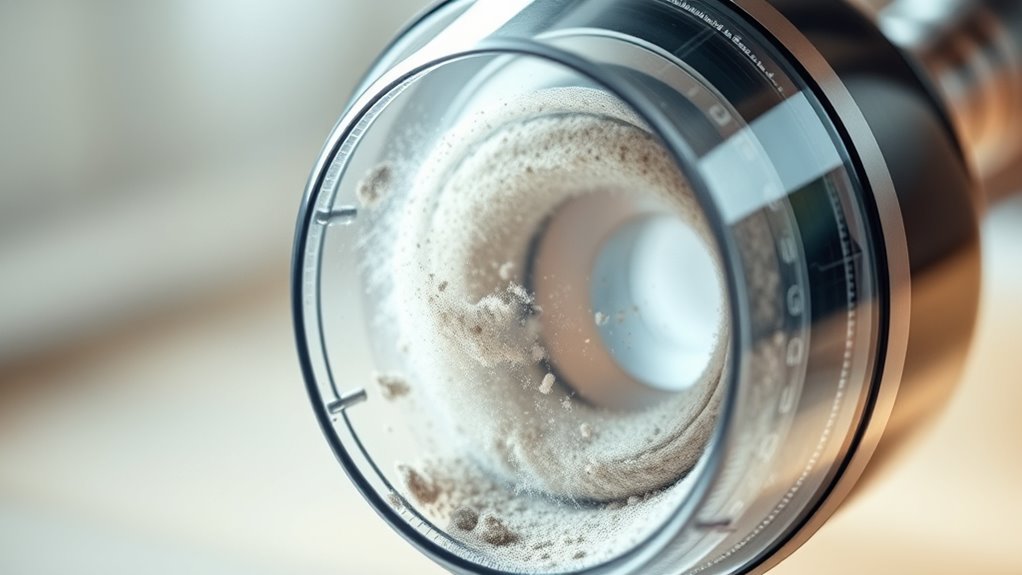
Have you ever wondered how a vacuum cleaner effortlessly lifts dirt and debris from your floors? It all comes down to the science of suction power and filtration. When you turn on your vacuum, a powerful motor creates a difference in air pressure that pulls air and particles into the device. This suction force is what allows you to clean your carpets, hardwood, or tiles efficiently. But it’s not just about pulling in dirt; the effectiveness of your vacuum depends heavily on its ability to remove microscopic particles, including dust mites, and how well it filters the air you breathe.
Dust mite removal is a critical aspect of maintaining a healthier home environment. Dust mites are tiny creatures that thrive in household dust and can trigger allergies or asthma symptoms. To combat this, your vacuum needs to have strong suction combined with effective filtration. That’s where HEPA efficiency comes into play. HEPA filters are designed to trap at least 99.97% of particles as small as 0.3 microns, including dust mites, pollen, pet dander, and other allergens. When a vacuum cleaner features a high HEPA efficiency rating, it ensures that these microscopic irritants don’t get recirculated back into your living space.
The synergy between suction power and filtration is what makes a vacuum effective at cleaning. High suction power pulls in larger debris like crumbs and dirt, but without proper filtration, those tiny allergens can escape back into the air. HEPA filters act as a barrier, capturing these particles and preventing them from being released. This is especially important for allergy sufferers or anyone wanting to improve indoor air quality. A vacuum with a powerful motor and high HEPA efficiency not only cleans your floors but also contributes to a cleaner, healthier environment.
Furthermore, the design of your vacuum’s airflow system influences how well it performs in dust mite removal and overall filtration. A well-engineered system maintains strong suction while ensuring that air passes through HEPA filters before being expelled. This prevents the loss of suction over time and guarantees that the air you breathe remains cleaner. So, when choosing a vacuum, look for models that combine robust suction with certified HEPA filtration. This way, you’re investing in a device that excels at trapping microscopic particles, reducing allergens, and keeping your home truly clean.
Additionally, proper maintenance and regular replacement of filters are essential to sustain optimal filtration efficiency, ensuring your vacuum continues to perform effectively over time.
As an affiliate, we earn on qualifying purchases.
Frequently Asked Questions
How Does the Filter Type Affect Air Quality During Vacuuming?
The filter type considerably impacts your air quality during vacuuming, especially if you choose HEPA filters. HEPA filters trap tiny particles like allergens and dust, preventing them from recirculating into the air. Also, a filter with higher dust capacity means it can hold more debris before needing replacement, maintaining ideal filtration and reducing dust escape. This keeps your indoor air cleaner and healthier while you vacuum.
Can Vacuum Suction Power Vary With Different Floor Types?
Yes, vacuum suction power can vary with different floor surfaces. For example, carpets require more suction to lift dirt embedded deep, while hard floors need less. You might notice suction variability depending on the floor surface you’re cleaning. Adjusting the vacuum‘s settings or nozzle can help maintain consistent performance, ensuring you effectively clean each surface without losing suction power or causing damage.
What Maintenance Extends a Vacuum’s Suction Efficiency?
Sure, neglecting your vacuum’s maintenance might seem harmless—until your suction weakens. Regularly check and clean the brush roll to remove hair and debris, which can clog and reduce efficiency. Don’t forget to inspect the hose for blockages or cracks that hinder airflow. These simple steps boost suction power, ensuring your vacuum works like new and saving you from unnecessary frustration and costly repairs down the line.
How Do Aftermarket Filters Impact Filtration Performance?
Aftermarket filters can improve filtration performance if you choose filter materials that are compatible with your vacuum. When filter materials meet the right standards, they trap more dirt and allergens, enhancing air quality. However, if the aftermarket filters aren’t compatible with your vacuum’s system, they may reduce suction or cause damage. Always check filter compatibility before upgrading, ensuring the filter materials work seamlessly with your vacuum for peak performance.
Is There a Correlation Between Vacuum Weight and Suction Strength?
While heavier vacuums often suggest more robust construction, they don’t always guarantee stronger suction. Your vacuum weight can influence maneuverability and ease of use, but suction strength and filtration performance depend more on filter type and maintenance. For ideal air quality across different floor types, focus on choosing the right filter and maintaining your vacuum regularly, rather than just considering weight. Remember, a well-maintained, appropriately equipped vacuum works best.
Conclusion
Now that you’ve uncovered the secrets behind vacuum cleaner science, you’re better equipped to choose one that gently but effectively lifts away dirt. Remember, a little extra attention to suction power and filtration can make your cleaning routine feel almost effortless. With the right model, you won’t just clean—you’ll create a healthier, more inviting space. So go ahead, embrace the magic beneath your fingertips and enjoy the quiet satisfaction of a job well done.
Flea & tick season Picks
flea and tick prevention
As an affiliate, we earn on qualifying purchases.