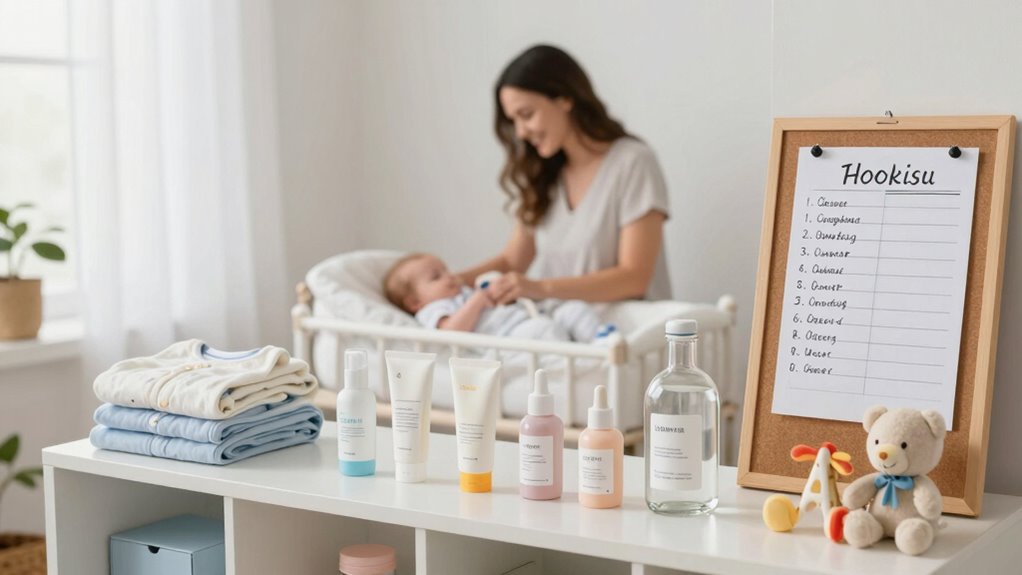

After birth, establish clear chores by identifying tasks you can delegate and sharing responsibilities with your partner or family. Create a flexible schedule, focusing on daily, weekly, and monthly chores, and use checklists to stay organized. Communicate openly about your limits and adjust routines as needed. Prioritize bonding, self-care, and a peaceful environment, allowing for changes when overwhelmed. Following these steps helps you build a balanced plan, and there’s more to support your postpartum journey ahead.

Get decor and gifts delivered free — and shop member deals
- Fast, free delivery on millions of items
- Access to Prime Big Deal Days deals on October 6–7
- Prime Video, Amazon Music and more included
Key Takeaways
- Clearly define and delegate household tasks based on importance and individual strengths.
- Create a flexible cleaning and chores schedule that adapts to your postpartum needs.
- Communicate openly with family members about expectations and limits to foster teamwork.
- Prioritize self-care and bonding, allowing flexibility to reschedule or scale back chores as needed.
- Seek external support, such as hiring help or enlisting trusted family, to reduce household burdens.

Bringing a new baby into your home is both joyful and overwhelming, making it essential to establish an effective household help plan that adapts to your changing needs. When your days are filled with feeding, diaper changes, and endless cuddles, it’s easy for chores to pile up, leaving you feeling exhausted. To manage this, you need a clear strategy for household chore delegation and cleaning schedule planning that makes your life more manageable. Start by identifying tasks that absolutely need your attention and those that can be delegated. For example, laundry, dishwashing, and tidying up common areas can often be shared with your partner or other family members. Don’t hesitate to ask for help—sharing responsibilities reduces your burden and helps keep your environment organized and calm.
Creating a flexible cleaning schedule is crucial when life is unpredictable with a new baby. Instead of trying to stick to a rigid routine, plan for daily, weekly, and monthly tasks that fit into your new routine. For instance, focus on quick daily tidying, like wiping surfaces and doing the dishes, to keep the space feeling fresh. Set aside specific days for more thorough chores, such as vacuuming or cleaning bathrooms, but remain adaptable if your baby’s needs take priority. Use checklists or digital tools to track chores, so nothing gets overlooked and everyone involved knows their responsibilities. Incorporating household management strategies can help streamline your routines and reduce stress during this busy time. Additionally, understanding the importance of task prioritization can help you focus on what truly matters in your daily routine. Recognizing the significance of effective communication within your household can also greatly enhance cooperation and shared understanding of responsibilities. Incorporating time management techniques can further help you make the most of your limited energy and time. Remember that in times of change, biodiversity awareness and sustainable practices can also contribute to creating a healthier, more balanced home environment, even amidst busy routines.
Create a flexible cleaning routine with daily, weekly, and monthly tasks to adapt to your busy new parent life.
Household chore delegation isn’t just about dividing tasks; it’s about creating a team effort. Communicate openly with your partner or family members about what needs doing and when. Be clear about your limits—if you’re feeling overwhelmed, it’s okay to scale back or reschedule chores. Sometimes, hiring a cleaning service temporarily can be a great way to ease the load, especially during those first few hectic weeks. Remember, it’s not about perfection but about maintaining a peaceful environment where everyone feels responsible and supported.
As you build this plan, keep in mind that your priorities will shift frequently, so review and adjust your routines regularly. Flexibility is key because your baby’s schedule and your energy levels will fluctuate. Celebrate small victories when chores are completed, and don’t be too hard on yourself if things don’t go perfectly. Ultimately, a well-thought-out household help plan centered on delegation and adaptable cleaning schedules helps you focus on what matters most—bonding with your new baby and taking care of yourself.
household chore checklist for new parents
As an affiliate, we earn on qualifying purchases.
As an affiliate, we earn on qualifying purchases.
Frequently Asked Questions
How Do I Prioritize Household Tasks After the Baby’s Arrival?
You should prioritize household tasks by focusing on essentials like meal planning and maintaining a cleaning schedule. Start by preparing easy, nutritious meals in advance to save time and reduce stress. Keep a flexible cleaning routine to maintain a tidy environment without feeling overwhelmed. Remember, your main focus is bonding with your baby, so don’t hesitate to ask for help or adjust your chores as needed to keep things manageable.
What Qualifications Should I Look for in a Household Helper?
Imagine your home as a garden needing tender care; your helper is the gardener. Look for someone with thorough background checks to guarantee trustworthiness, and prioritize cultural sensitivity, like understanding different flowers’ needs. A good household helper combines reliability with empathy, making your home flourish. Their experience, references, and ability to adapt to your family’s unique rhythm will help your household thrive amidst new beginnings.
How Can I Ensure Household Help Respects My Privacy?
To guarantee your household help respects your privacy, set clear privacy boundaries from the start. Communicate these boundaries respectfully, explaining what areas or information are off-limits. Regularly check in with your helper to address any concerns and reinforce mutual respect. Establishing open, respectful communication helps build trust, making it easier for your helper to understand and honor your privacy expectations consistently.
What Legal Considerations Are Involved in Hiring Household Help?
Legalities limit your laboring with household help. You must meticulously manage legal compliance, ensuring you follow employment laws and regulations. Draft clear employment contracts that define duties, hours, and compensation, avoiding ambiguities and legal ambiguities. Verify visa and work authorization if hiring internationally. Proper documentation and adherence to labor laws protect both you and your help, preventing potential legal pitfalls and promoting a peaceful, professional household partnership.
How Can I Train Household Help Effectively for Post-Birth Routines?
You can train household help effectively by demonstrating post-birth routines like meal preparation and baby care step-by-step. Show them how you prefer things done, then supervise as they practice, offering gentle corrections. Use clear, simple instructions and provide written guidelines if needed. Encourage questions and feedback, and gradually increase their responsibilities. Consistent training guarantees they confidently handle meal prep and baby care, easing your shift into new motherhood.
Conclusion
Just like a well-tuned clock, a solid household help plan keeps your home running smoothly after birth. By embracing flexibility, clear communication, and shared responsibilities, you lay the foundation for peace and balance—much like a symphony in harmony. Remember, you’re the conductor of this new melody, guiding your family through the changes with patience and grace. Trust in your plan, and watch your home flourish, echoing the timeless rhythm of care and cooperation.
Fall Picks
fall essentials
As an affiliate, we earn on qualifying purchases.