![A Better Way To Tie Your Gym Shorts. (Or Any Drawstring) [Video]](https://babazam.com/wp-content/uploads/2026/07/a-better-way-to-tie-your-gym-shorts-or-any-drawstring-video-featured-200x110.jpg)
To help with sit-to-stand transfers, focus on proper positioning rather than relying solely on strength. Position your loved one with feet flat on the floor, knees at a 90-degree angle, and hips aligned to create a stable base. Good body alignment uses gravity and leverage, making the transfer safer and easier. Mastering these positioning techniques can reduce effort and risk of injury. If you want to learn more, keep exploring these essential principles and methods.

Get decor and gifts delivered free with Prime
- Fast, free delivery on millions of items
- Prime Video, Amazon Music and more included
- Member-only deals all year
Key Takeaways
- Proper body alignment creates a stable base, making sit-to-stand transfers easier and safer without relying solely on strength.
- Adjusting positioning to utilize gravity and leverage reduces physical effort for both the individual and caregiver.
- Correct sitting posture with feet flat, knees at 90°, and hips aligned supports biomechanical efficiency.
- Proper positioning minimizes the risk of falls, strains, and injuries during transfers.
- Training caregivers on positioning techniques ensures safe, dignified, and effective sit-to-stand assistance.
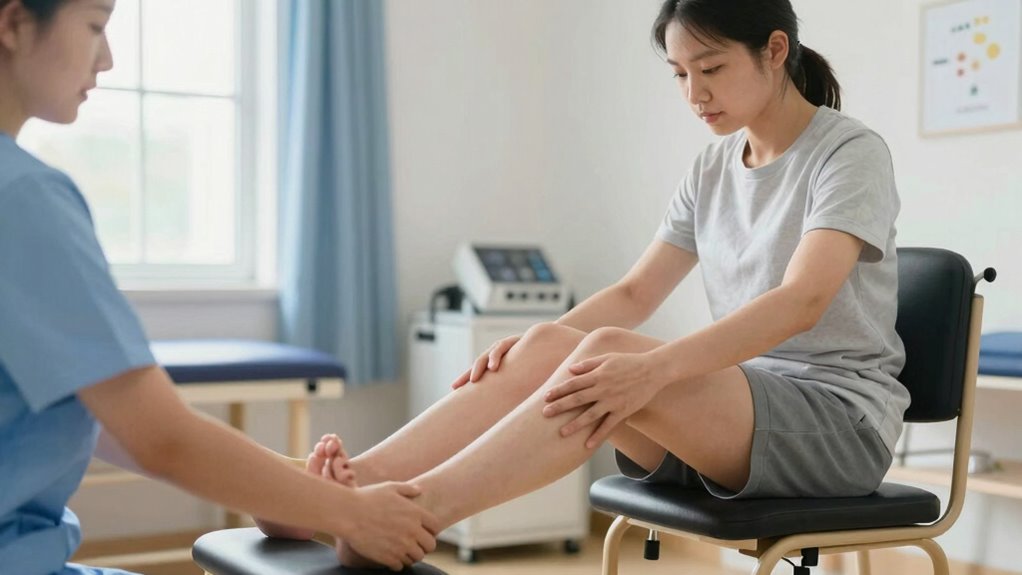
When helping someone sit to stand, focusing on proper positioning is more effective than relying solely on strength. Your goal is to set the person up for success, reducing the effort needed and minimizing the risk of injury. Proper positioning involves adjusting their body so that they can use gravity and leverage to assist their movement. For example, having the person sit with their feet flat on the ground, knees bent at about a 90-degree angle, and hips aligned correctly creates a stable base. Supporting their pelvis and ensuring their trunk is upright encourages proper biomechanics, making the stand easier and safer. Using assistive devices can significantly improve this process. Devices like transfer belts, grab bars, or friction-reducing mats help you stabilize and guide the person smoothly. These tools are designed to reduce physical strain and improve safety for both of you. For instance, a transfer belt allows you to hold the person securely around the waist, giving you control without exerting excessive force. Incorporating assistive devices into your routine makes positioning more effective and less physically demanding, especially when dealing with individuals who have limited strength or balance issues. Additionally, understanding how body mechanics work can help you apply proper lifting techniques and prevent injury. Proper training from caregiver training plays a crucial role in mastering proper positioning techniques. Learning the correct methods from trained professionals ensures you understand how to align the person’s body correctly and use assistive devices properly. Proper training also teaches you to recognize individual needs and limitations, enabling you to tailor your approach accordingly. For example, some individuals may require additional padding or support under their knees, or specific grips to maintain balance. Well-trained caregivers can adapt their methods, ensuring safety and comfort for the person they’re helping. Remember, your body mechanics matter. Keep your back straight, bend at the hips and knees, and use your leg muscles rather than your back to lift. This not only protects you from injury but also allows you to apply the right amount of force at the right angles. proper positioning is about more than just moving someone; it’s about setting them up for a successful and dignified transfer, reducing the effort required and preventing falls or strains. Being aware of individual needs can further enhance safety and comfort during the transfer.
As an affiliate, we earn on qualifying purchases.
Frequently Asked Questions
How Do I Assess if Someone Needs Sit-To-Stand Assistance?
You assess if someone needs sit-to-stand assistance by observing their ability to move safely and independently. Watch for signs like unsteady balance, limited leg strength, or difficulty maintaining proper positioning. Consider their use of assistive devices and consult caregiver training to determine safe transfer techniques. If they show hesitation or instability, it’s a cue that they might need support, and you should prepare appropriate help to prevent falls or injury.
What Are Common Mistakes in Positioning for Sit-To-Stand?
Common mistakes in positioning for sit-to-stand include poor posture alignment, like slouching or leaning too far forward, which can cause imbalance. You might also choose inappropriate equipment, such as seats that are too high or low, making it hard for the person to stand safely. Ensuring proper posture alignment and selecting suitable equipment help improve stability and reduce fall risk during the transfer.
Can Positioning Alone Improve Independence Over Time?
Positioning alone can profoundly improve your independence over time by promoting ergonomic adjustments that make sitting and standing easier. When you focus on proper alignment and support, you encourage independent movement without relying solely on strength. Consistently optimizing your position helps reduce fatigue and discomfort, boosting confidence. Over time, these adjustments empower you to perform sit-to-stand movements more efficiently, fostering greater independence and enabling you to manage daily activities with less assistance.
Are There Specific Tools to Aid Proper Positioning?
Are there specific tools to aid proper positioning? Absolutely. Assistive devices like grab bars, transfer boards, and ergonomic supports help maintain correct posture and stability, making sit-to-stand transfers safer and easier. These tools encourage independence by reducing strain and preventing falls. Wouldn’t you agree that the right equipment can make a significant difference? Incorporating these aids guarantees proper positioning, fostering confidence and promoting ongoing mobility improvements over time.
How Does Positioning Differ for Various Mobility Levels?
You tailor positioning based on mobility levels by making ergonomic adjustments, like adjusting chair height or using supportive cushions for those with limited strength. For more mobile individuals, you focus on stable, accessible surfaces. Caregiver training ensures you use proper techniques to achieve ideal positioning safely. This approach helps prevent injury and promotes comfort, regardless of mobility level, by adapting your methods to meet each person’s specific needs effectively.
Conclusion
Think of helping someone stand as tending to a delicate garden. You don’t need to be a gardener with muscles; you just need the right positioning—like carefully placing each plant for ideal growth. When you focus on proper positioning first, the person you’re helping can rise smoothly, like a flower reaching toward the sun. Remember, a solid foundation nurtures strength—so start with the right setup, and everything will fall into place naturally.
Fall Picks
fall essentials
As an affiliate, we earn on qualifying purchases.