Many home habits marketed as air-purifying may not be as effective as they seem and could even worsen indoor air quality if not used properly. Ventilating your space by opening windows helps, but only when outdoor air isn’t polluted. Using air purifiers can assist, but controlling indoor pollution sources is key. Timing ventilation based on outdoor pollution levels can make a big difference. Stick around to discover more ways to genuinely improve your indoor air quality.
Key Takeaways
- Using air purifiers can effectively reduce indoor pollutants, but they should complement proper ventilation strategies.
- Opening windows helps improve air quality only when outdoor air is clean and pollution levels are low.
- Controlling indoor pollution sources, like smoking or cleaning chemicals, is crucial for maintaining air quality.
- Proper airflow management and strategic ventilation timing enhance natural air exchange and reduce contaminant buildup.
- Relying solely on air-purifying habits without addressing indoor sources or outdoor pollution limits their effectiveness.
Many people also think that opening windows regularly will vastly improve indoor air quality. While ventilating your home can help reduce indoor pollutants and stale air, it’s not a foolproof solution, especially if outdoor air is polluted or during extreme weather conditions. In urban areas with high pollution, opening windows might introduce more harmful particles than it removes. The key is to balance ventilation with other air quality strategies, such as using air purifiers or controlling sources of indoor pollution. It’s not just about fresh air but about managing what’s coming inside. Additionally, the effectiveness of natural ventilation depends on indoor air quality management, which involves controlling sources of pollution and proper airflow strategies. Proper ventilation strategies can optimize air exchange and ensure contaminants are effectively removed while minimizing the entry of outdoor pollutants. Furthermore, understanding air exchange rates can help you better control how much outdoor air enters your home, improving overall air quality. To make the most of natural ventilation, it’s helpful to consider indoor-outdoor air flow patterns to optimize air movement and filtration. Recognizing the impact of outdoor pollution is also essential when deciding the best times to ventilate.

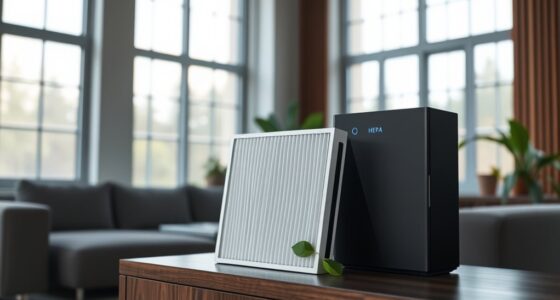
Purivortex Air Purifiers for Bedroom, Covers Up to 880 Sq Ft, PX500 Black
- Covers Large Areas: Covers up to 880 sq ft
- Fast Air Purification: Purifies a 215 sq ft room in 15 min
- High-Efficiency Filtration: Filters 99.97% of pollutants
As an affiliate, we earn on qualifying purchases.
As an affiliate, we earn on qualifying purchases.
Frequently Asked Questions
Do Houseplants Significantly Improve Indoor Air Quality?
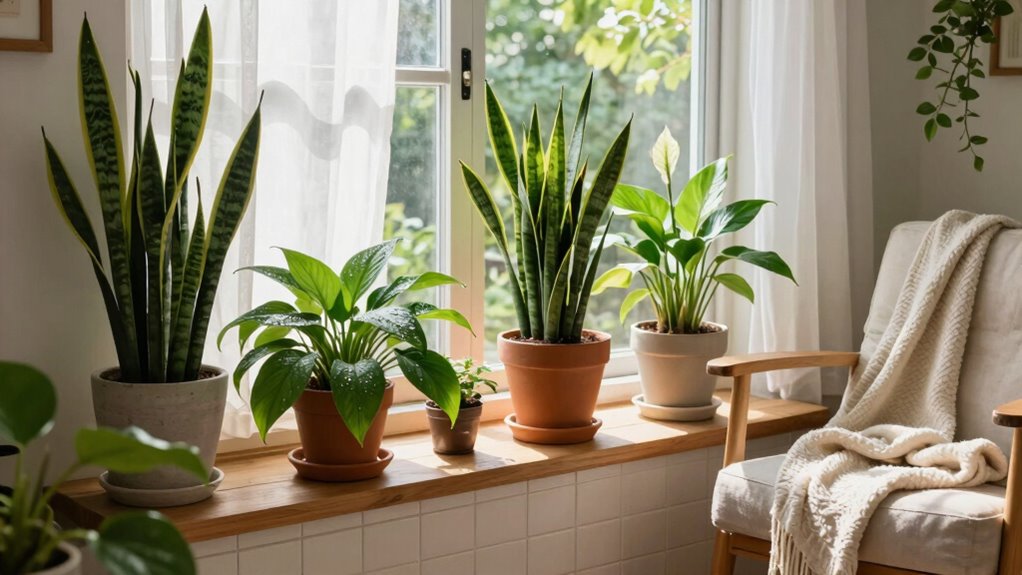
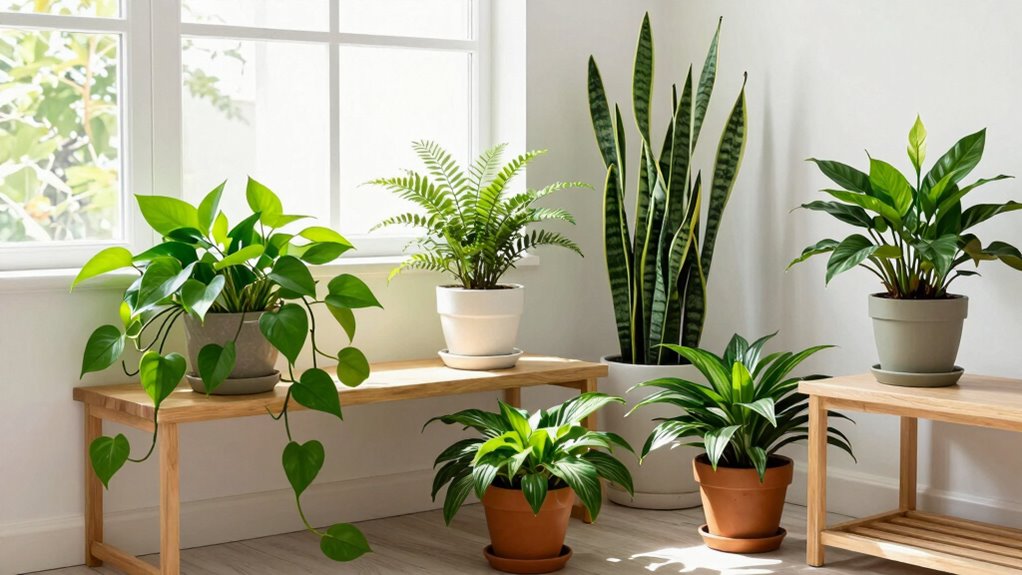
Houseplants can greatly improve indoor air quality if you choose the right plant types, like snake plants or pothos, which are known for filtering toxins. To maximize benefits, focus on soil health by avoiding overwatering and using quality soil. Healthy soil encourages robust root systems, which enhances the plant’s ability to purify air. Regularly caring for your plants guarantees they effectively contribute to cleaner, fresher indoor air.
How Often Should I Clean Air Purifiers for Optimal Performance?
You should clean your air purifier regularly to keep it running smoothly, like clockwork. Check the filter lifespan and follow the manufacturer’s maintenance schedule—typically every 4 to 8 weeks. When you notice reduced airflow or a musty smell, it’s time for a cleaning. Staying on top of this guarantees your purifier works efficiently, breathing new life into your indoor air and keeping it fresh and healthy.
Are Natural Remedies More Effective Than Commercial Air Purifiers?
Natural remedies, like houseplants or essential oils, can improve indoor air quality but aren’t as effective as commercial purifiers for removing pollutants and allergens. If you want a noticeable difference, rely on commercial purifiers with HEPA filters. However, combining natural remedies with regular cleaning and good ventilation can create a healthier environment. Don’t depend solely on natural remedies; use commercial purifiers for the best air purification.
Can Opening Windows Reduce Indoor Air Pollutants Effectively?
Yes, opening windows can considerably reduce indoor air pollutants through effective ventilation strategies. By swapping stale, pollutant-laden air for fresh outdoor air, you dilute sources of indoor pollution like cooking fumes or cleaning chemicals. Regularly ventilating your space helps clear contaminants, creating cleaner, healthier air. Just remember, the best results happen when you open windows during ideal times, like when outdoor air quality is good, ensuring your home remains fresh and pollutant-free.
Do Air-Purifying Habits Benefit All Types of Indoor Environments?
Yes, air-purifying habits benefit most indoor environments by improving air quality through increased air circulation and humidity control. When you regularly open windows or use fans, you help dilute pollutants and bring in fresh air. Managing humidity levels prevents mold and dust mites, making your space healthier. These habits work well in various settings, from homes to offices, ensuring cleaner, more comfortable air for everyone inside.
Conclusion
Just like a lighthouse guides ships through fog, adopting these air-purifying habits can clear the haze from your home’s air. You’ve learned that simple changes, like improving ventilation and choosing the right plants, truly make a difference. Remember, small actions add up—so start today to create a healthier, fresher space. With a little effort, you’ll transform your home into a haven where every breath feels as pure as mountain air.