TL;DR

Get decor and gifts delivered free — and shop member deals
- Fast, free delivery on millions of items
- Access to Prime Big Deal Days deals on October 6–7
- Prime Video, Amazon Music and more included
Interior designers recommend completing all other room decisions before choosing a paint color. This approach helps prevent decision fatigue and ensures the color complements existing elements. The key rule is to finalize everything else first for a harmonious space.
Interior designers agree that the most important rule to follow before choosing a paint color is to finalize all other room details first. This strategy helps prevent decision fatigue and ensures the selected hue complements existing decor. The advice is based on industry best practices and is widely endorsed by professionals to achieve better, more harmonious results in interior design.
According to interior designers Heather Talbert, Dana Arazi Levine, and Lisa Quinn, the key to selecting the perfect paint color is to complete all other decorating decisions—such as flooring, furniture, and artwork—before narrowing down paint options. Levine emphasizes that paint colors are virtually limitless, but other elements like rugs, curtains, and art are finite, making it easier to choose a hue that works once everything else is in place.
Lisa Quinn advises finalizing large, non-paint elements first, including flooring and cabinetry, since color interactions with these surfaces can drastically alter the perception of a paint swatch. She notes that colors appearing neutral on a chip can clash once placed against specific surfaces like honey oak or marble. This process reduces the risk of choosing a color that doesn’t work in the actual space.
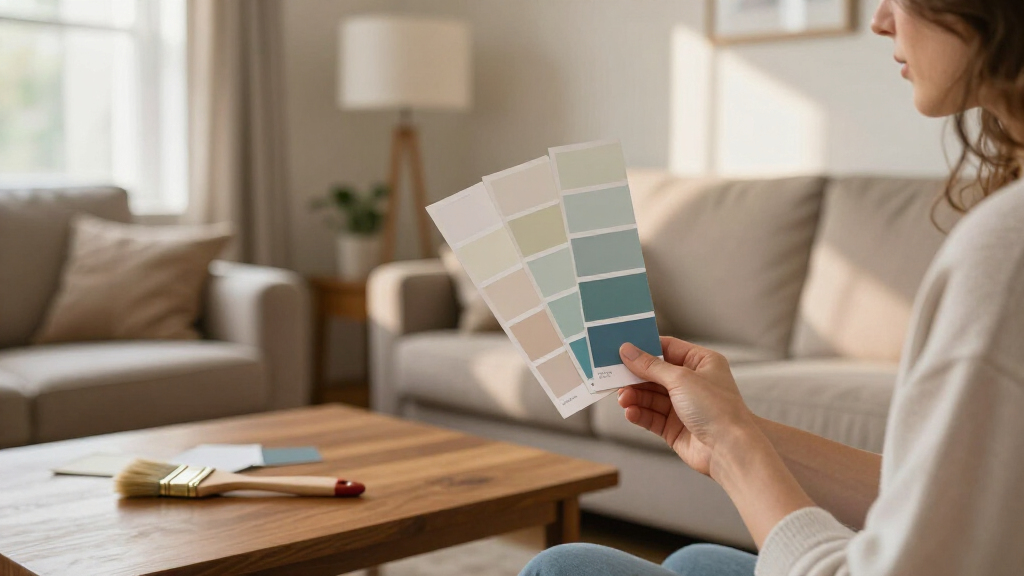
Designers recommend selecting paint samples after all other decor is decided and testing them in the room for at least 24 hours. Lindsay Atapattu highlights that factors like lighting and room orientation significantly influence how a color appears. Viewing samples in the actual space, rather than in-store, helps prevent hasty decisions and ensures the chosen hue harmonizes with the room’s natural and artificial light.
Why Finalizing Decor Elements Before Painting Matters
This approach reduces decision fatigue, minimizes costly mistakes, and leads to a more cohesive and visually appealing space. By choosing paint after other elements, homeowners and designers can see how colors interact with existing surfaces and lighting, leading to more confident choices. Following this rule can save time and money, and result in a more harmonious interior aesthetic.
interior paint color sample tester
As an affiliate, we earn on qualifying purchases.
As an affiliate, we earn on qualifying purchases.
Background on Paint Selection Strategies
The challenge of choosing the right paint color is a common source of frustration for homeowners and designers alike. Many rely on swatches and chips, which can be misleading due to lighting and surrounding surfaces. Industry experts have long recommended a strategic approach: finalize all other decor elements first. This practice has gained prominence as a best practice in interior design, aiming to streamline decision-making and improve overall room harmony.
Historically, many have chosen paint colors early in the decorating process, often leading to mismatched or unsatisfactory results once the final elements are in place. Recent advice from design professionals underscores the importance of a sequential decision-making process, emphasizing that paint should be the last step after all other major decisions are made.
“Colors that might seem eerily similar in the store only reveal themselves when they sit against these surfaces. A color that looks neutral on a chip can clash the very second it meets honey oak flooring or cool marble.”
— Lisa Quinn
Unclear Aspects of the Paint Selection Process
While the advice to finalize decor before choosing paint is widely endorsed, it is not yet clear how this approach performs in all types of spaces or for different design styles. Some decorators argue that early paint decisions can work when lighting and decor are flexible, but this is less common. The impact of this rule on projects with strict deadlines or limited budgets remains to be fully assessed.
Next Steps for Homeowners and Designers
Homeowners and designers are encouraged to adopt this sequential approach, ensuring all major decor elements are decided before selecting paint. Future guidance may include more detailed testing protocols or digital visualization tools to aid in decision-making. Industry professionals are expected to further refine best practices and share case studies demonstrating the effectiveness of this method.
Key Questions
Why should I finalize all furniture and decor before choosing paint?
Finalizing furniture, flooring, and artwork first helps you choose a paint color that complements these elements, reducing the risk of mismatched colors and costly mistakes.
How long should I test paint samples in my space?
It is recommended to paint large swatches on your walls and observe them over at least 24 hours in different lighting conditions to see how they truly look.
Can I choose a paint color early if I have a strict deadline?
While it’s possible, it’s generally less ideal. If time is limited, focus on selecting decor elements first and test paint samples in the space to ensure compatibility quickly.
Does lighting affect how paint colors appear?
Yes, lighting and room orientation can significantly change how a color looks, which is why testing samples in the actual space is essential.
Are there digital tools to help choose paint colors?
Yes, many apps and software allow you to visualize paint colors in a room digitally, but testing physical samples remains the most reliable method.
Source: rss
Fall Picks
fall essentials
As an affiliate, we earn on qualifying purchases.