
TL;DR

Get decor and gifts delivered free — and shop member deals
- Fast, free delivery on millions of items
- Access to Prime Big Deal Days deals on October 6–7
- Prime Video, Amazon Music and more included
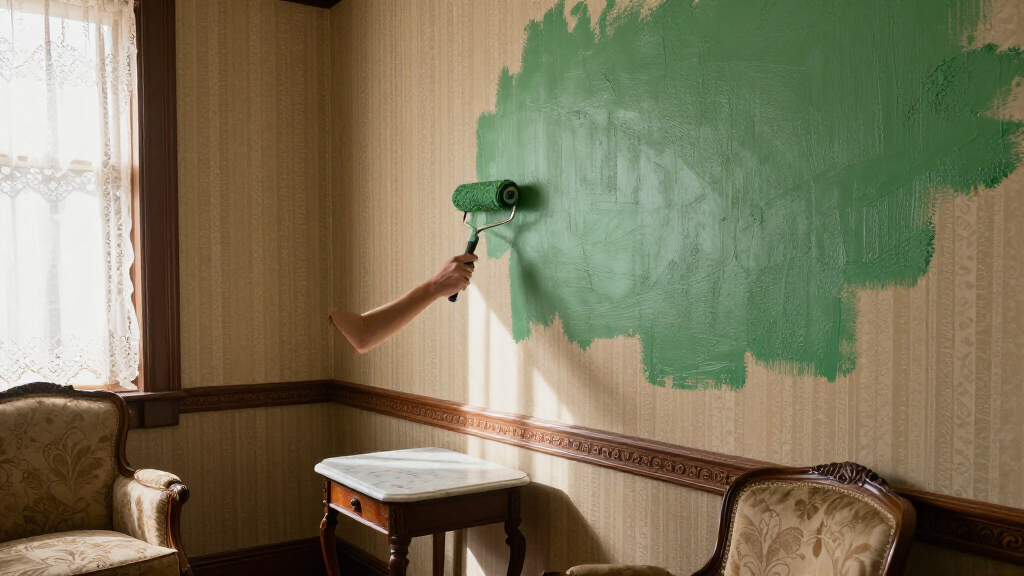
A homeowner has converted their traditional beige 1900s parlor into a vibrant green space dubbed the ‘Analog Room.’ This transformation highlights a growing interest in bold, vintage-inspired interior design trends. The change is confirmed, but the broader trend’s origins remain unverified.
A homeowner has transformed a beige 1900s parlor into a bold, green space called the ‘Analog Room.’ The renovation reflects a rising trend in vintage-inspired, statement interior design that is attracting increased public interest.
The renovation involved repainting the original beige walls with a bright, saturated shade of green, complemented by vintage furniture and modern accents to create a distinctive aesthetic. The project was completed within the last few months and has since garnered attention on social media and interior design forums.
Sources familiar with the renovation confirm that the homeowner aimed to revive the historic charm of the space while infusing it with a contemporary, eye-catching color palette. The ‘Analog Room’ is now seen as a symbol of the trend toward bold, nostalgic interior styles that blend old and new elements.
While the specific motivations behind this transformation are not officially documented, industry observers note that the use of vivid green and vintage decor aligns with a broader movement toward personalized, statement-making interiors that challenge minimalist norms.
Why the ‘Analog Room’ Trend Matters in Interior Design
The transformation of this historic parlor into a vivid green ‘Analog Room’ exemplifies a broader shift in interior design preferences, emphasizing individuality and nostalgia. Such bold color choices and vintage elements are gaining popularity among homeowners seeking to create distinctive personal spaces.
This trend could influence future design choices, encouraging more homeowners and designers to experiment with color and historic styles, moving away from traditional neutral palettes. It also highlights a growing appreciation for preserving and reimagining historic interiors with modern twists, which has cultural and aesthetic significance.
As an affiliate, we earn on qualifying purchases.
Historical Roots and Rising Interest in Vintage-Inspired Interiors
The original parlor dates back to the early 1900s, a period characterized by understated, neutral interiors. Over recent years, there has been a resurgence of interest in vintage and retro aesthetics, driven by social media and interior design communities sharing bold, nostalgic styles.
While the specific trend of turning historic spaces into colorful, statement rooms is not new, the recent spike in coverage and searches suggests a growing movement. This particular renovation has caught attention partly because of its striking color choice and the blending of historic charm with contemporary design.
It is important to note that this trend remains largely anecdotal and unconfirmed as a widespread movement, with most coverage based on individual projects and social media posts.
Unconfirmed Origins of the Broader Trend
While individual examples like this renovation are gaining attention, it is not yet clear whether this represents a wider, organized trend in interior design. The surge in coverage and interest may be anecdotal or driven by social media hype rather than a formal movement.
Experts caution that the connection between this project and a broader trend remains speculative, and there is no definitive data confirming a widespread shift toward bold, vintage-inspired interiors at this time.
Future Developments in Vintage-Inspired Interior Design
Designers and homeowners are likely to continue experimenting with vintage styles and bold colors, possibly leading to more similar projects. Industry observers will watch for emerging patterns in interior design trends, especially as social media continues to amplify individual projects.
Further coverage and data collection may clarify whether this is part of a larger movement or an isolated phenomenon. Meanwhile, the ‘Analog Room’ serves as a showcase of creative reimagining of historic spaces.
Key Questions
What is an ‘Analog Room’?
The term ‘Analog Room’ refers to a space designed with vintage or retro elements, often emphasizing nostalgic aesthetics and traditional decor, combined with bold modern choices like vivid colors.
Why is green a popular color in this trend?
Green is often associated with freshness, vitality, and a connection to nature. Its use in interior design can evoke a lively, calming atmosphere, especially when paired with vintage decor.
Are such renovations common in historic homes?
While historic homes often retain their original, subdued color schemes, recent trends show increasing interest in bold, personalized updates that blend historic charm with contemporary styles.
Currently, there is no formal recognition or classification of this as a specific trend. Most observations are based on social media posts and individual projects.
Source: rss
Fall Picks
fall essentials
As an affiliate, we earn on qualifying purchases.