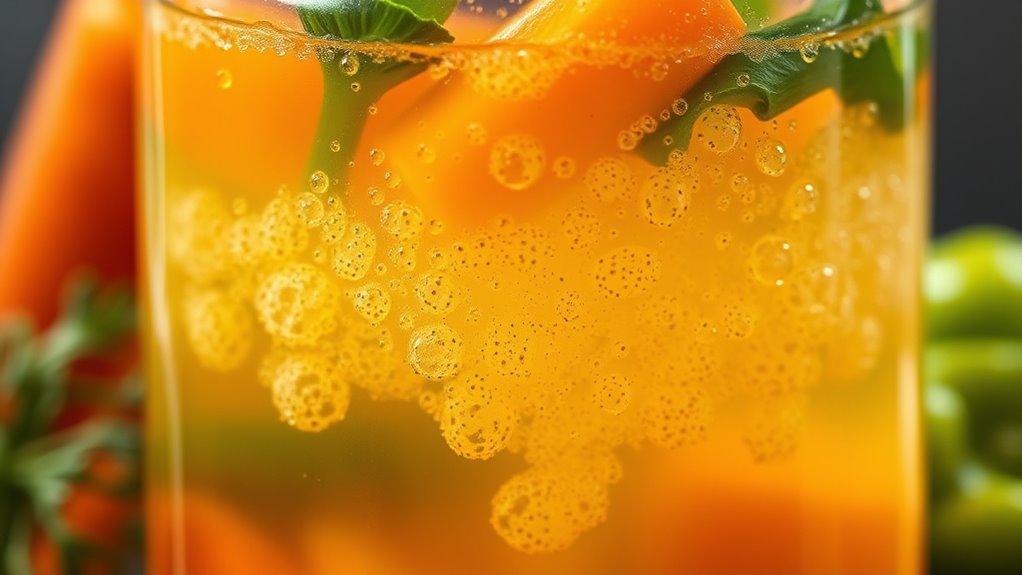

In fermentation, microorganisms like bacteria and yeast transform food by breaking down sugars into useful products. Bacteria such as Lactobacillus produce lactic acid, giving fermented foods their tangy flavor and preserving them naturally. Yeasts generate alcohol and bubbles, adding aroma and carbonation. These microbes thrive in warm, salty, oxygen-limited environments, developing complex flavors and textures over time. To uncover more about this fascinating process, keep exploring how these tiny organisms shape the foods you enjoy.

Get decor and gifts delivered free — and shop member deals
- Fast, free delivery on millions of items
- Access to Prime Big Deal Days deals on October 6–7
- Prime Video, Amazon Music and more included
Key Takeaways
- Microorganisms like bacteria and yeast convert sugars into acids, alcohol, and gases during fermentation.
- These microbes thrive in warm, salty, oxygen-limited environments, influencing flavor and texture.
- Fermentation lowers pH through acid production, naturally preserving food and inhibiting spoilage bacteria.
- Longer fermentation enhances flavor complexity, sourness, and texture changes in the food.
- Managing fermentation time and temperature ensures consistent, safe, and flavorful results.

Have you ever wondered how fermented foods like yogurt, sauerkraut, or kimchi develop their tangy flavors? The secret lies in the fascinating world of microorganisms that work behind the scenes to transform simple ingredients into flavorful, probiotic-rich foods. At the heart of this process is yeast activity and bacterial cultures, which interact in complex ways to produce the distinctive tastes and textures you enjoy.
When you begin fermenting, you’re fundamentally inviting specific microorganisms—mainly bacteria and sometimes yeast—to colonize your food. Bacterial cultures, such as Lactobacillus and Leuconostoc, play a key role. They consume sugars present in vegetables or dairy and convert them into lactic acid, creating the sour flavor characteristic of many fermented products. This acid also acts as a natural preservative, preventing spoilage and harmful bacteria from taking hold. Yeast activity can also contribute, especially in fermented beverages like kombucha or certain sourdough breads, where yeasts produce alcohol and carbon dioxide, giving rise to bubbles and a slightly sour, tangy taste.
During fermentation, these microorganisms don’t just randomly grow; they thrive in the right environment—warm, slightly salty, and oxygen-limited conditions. As they metabolize sugars, they produce various byproducts, including acids, gases, and sometimes alcohol. These compounds form the complex flavors and textures you associate with fermented foods. For example, in sauerkraut, bacterial cultures rapidly multiply, lowering the pH and creating that signature tang. In yogurt, specific bacterial strains ferment lactose, turning it into lactic acid, which thickens the milk and imparts a creamy, tangy flavor. The microbial activity also influences the development of beneficial probiotics, which are essential for gut health.
Microorganisms thrive in warm, salty, oxygen-limited environments, producing acids, gases, and alcohol that develop complex flavors.
The activity of yeast and bacteria is also influenced by time. The longer the fermentation, the more pronounced the flavors become, and the textures can change from crisp to softer. Temperature plays a critical role too; too cold, and microbial activity slows down; too hot, and certain cultures can become inactive or produce undesirable flavors. That’s why controlling these factors is essential for consistent results.
Ultimately, understanding yeast activity and bacterial cultures gives you insight into how fermentation works. It’s a natural, microbial dance that transforms humble ingredients into vibrant, healthful foods. Whether you’re making yogurt, fermenting vegetables, or brewing kombucha, recognizing these microorganisms’ roles helps you appreciate the science behind the flavors. With patience and attention, you can harness their power to craft delicious, nutritious foods at home.
fermentation starter culture kit
As an affiliate, we earn on qualifying purchases.
As an affiliate, we earn on qualifying purchases.
Frequently Asked Questions
How Do Different Microorganisms Affect Fermentation Flavors?
Different microorganism varieties influence fermentation flavors by producing distinct metabolic byproducts. As you watch the process, you’ll notice that bacteria, yeasts, and molds each contribute unique flavors, affecting the overall flavor development. For example, certain bacteria add tanginess, while specific yeasts create fruity or spicy notes. Your choice of microorganism varieties directly impacts the taste profile, making each fermentation batch unique and tailored to your desired flavor outcome.
Can Fermentation Occur Without Added Bacteria or Yeast?
Think of fermentation as a garden awakening naturally; yes, it can happen without added bacteria or yeast. Native fermentation relies on spontaneous microbes—those tiny, unseen dancers already present on your food or in the environment. These microbes, like nature’s secret artists, transform your ingredients into flavorful wonders without any added starter cultures, creating unique, lively flavors through the magic of spontaneous microbes taking charge and guiding the process.
What Are the Safety Risks of Improper Fermentation?
Improper fermentation can pose safety risks such as contamination concerns and spoilage risks. If you don’t maintain proper hygiene, harmful bacteria or molds may grow, leading to foodborne illnesses. Incorrect salt levels, temperature, or fermentation time can also cause spoilage. Always follow proven recipes and monitor your fermentation process carefully to minimize these risks, ensuring your fermented foods are safe and enjoyable to eat.
How Do Environmental Factors Influence Fermentation Speed?
Think of fermentation as a delicate dance, where environmental factors set the tempo. You control temperature to keep the microorganisms energized but not overwhelmed, speeding up or slowing down the process. Too much oxygen exposure can turn the dance chaotic, hindering fermentation. By maintaining ideal temperature control and minimizing oxygen, you help the microbes work harmoniously, ensuring a steady, efficient transformation of your food.
Are There Health Benefits Unique to Specific Fermented Foods?
Yes, specific fermented foods offer unique health benefits. For example, fermented vegetables contain diverse probiotic strains that support gut health and digestion. Consuming these foods can boost your immune system, improve nutrient absorption, and reduce inflammation. Each fermented food has its distinct probiotic profile, so including a variety like sauerkraut or kimchi in your diet helps maximize these health benefits and promotes overall wellness.
Conclusion
So, next time you marvel at your tangy yogurt or bubbly kombucha, give a nod to those tiny microorganisms working overtime. Without them, your kitchen would be a bland wasteland of boring food. Instead, they turn humble ingredients into culinary adventures—sometimes with a little fizz or funk. Cheers to the microbial magicians behind your favorite fermented treats. Just remember, it’s all fun and games until your sourdough develops a mind of its own!
Fall Picks
fall essentials
As an affiliate, we earn on qualifying purchases.