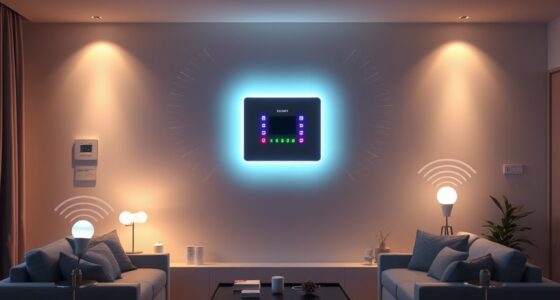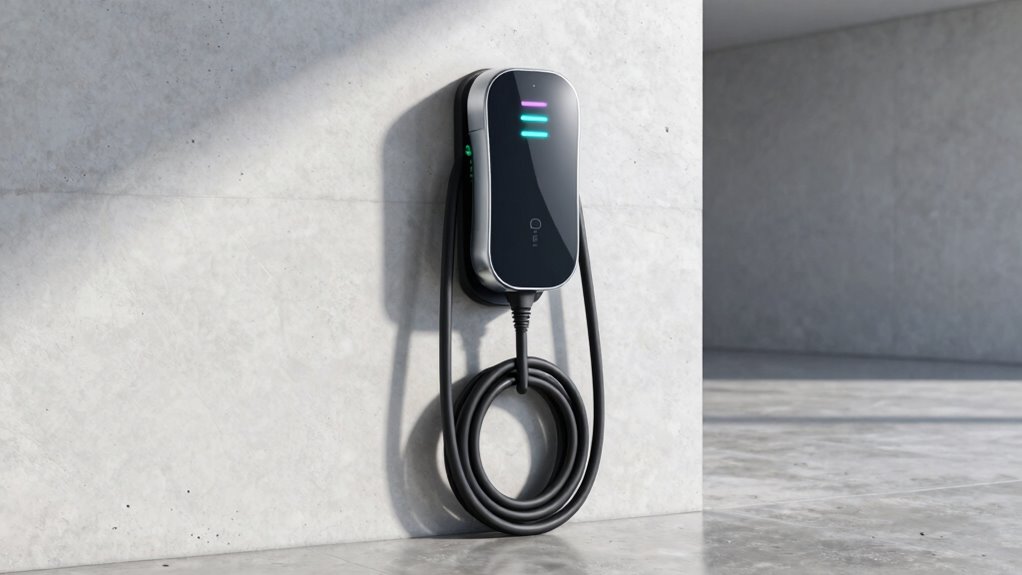

Your EV charger setup choices before you buy are vital for safety, convenience, and avoiding costs. Choosing the right location guarantees easy access and prevents obstructions, while understanding your home’s electrical capacity helps prevent future issues. Planning ahead allows you to support future upgrades and avoid unexpected expenses. If you want to make informed decisions that save time and money in the long run, there’s more to contemplate that can help you set up efficiently.

Get decor and gifts delivered free with Prime
- Fast, free delivery on millions of items
- Prime Video, Amazon Music and more included
- Member-only deals all year
Key Takeaways
- Proper placement ensures easy access, safety, and prevents obstructions during daily charging routines.
- Assessing electrical capacity avoids costly upgrades and ensures the home can support the charger long-term.
- Planning installation details beforehand avoids delays and unexpected expenses during setup.
- Considering home infrastructure flexibility allows for future upgrades and higher-capacity chargers.
- Strategic setup decisions protect your vehicle and charger from damage and enhance overall safety.
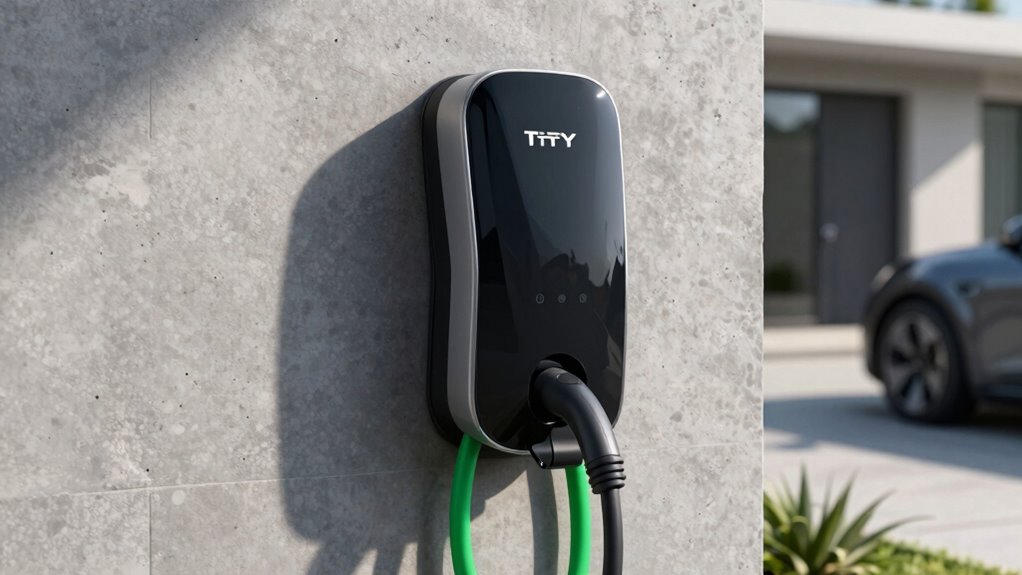
Are you unsure which EV charger setup is right for your home? Making the right choice before you buy is crucial because it affects everything from convenience to cost. One of the first things to consider is charging station placement. You’ll want to select a spot that’s both accessible and practical, ideally close to where your vehicle is parked most often. Think about whether you’ll charge your car in your garage or driveway, and make sure the location allows easy access without blocking pathways or creating hazards. Proper placement not only makes daily charging more convenient but also safeguards the charger and your vehicle from potential damage. Additionally, understanding electric capacity is essential to ensure your home can support the charger you choose. Assessing your electrical system capacity can help prevent future issues with power supply limitations. It’s also beneficial to consider how your home’s electrical infrastructure can be adapted or expanded to accommodate future upgrades, ensuring longevity and flexibility. Planning ahead can help you avoid additional costs and ensure your setup remains efficient over time.
Another key factor is understanding the power supply requirements. Different chargers demand varying levels of electrical capacity. Some basic Level 1 chargers can work with standard household outlets, but they charge slowly. If you’re after faster charging, you’ll need a Level 2 station, which requires a dedicated circuit and a higher amperage supply. Before proceeding, it’s wise to evaluate your home’s electrical system to see if it can support the charger’s power needs. Upgrading your electrical panel might be necessary, and that can add to the overall cost and installation timeline. Checking your home’s electrical capacity early on can help you avoid costly surprises later. Failing to check your power supply requirements beforehand could lead to unexpected delays or the need for costly upgrades after the fact. Proper planning and understanding your existing electrical setup can significantly streamline the installation process.
As an affiliate, we earn on qualifying purchases.
Frequently Asked Questions
Can I Install an EV Charger Myself?
You can install an EV charger yourself if you’re comfortable with electrical work, but keep safety considerations in mind. Proper installation guarantees peak charging speed and prevents hazards. If you’re unsure about wiring or local codes, it’s best to hire a licensed electrician. They’ll handle the installation safely, ensuring the charger operates efficiently and you avoid potential safety risks. Always prioritize safety considerations when deciding whether to DIY or hire a professional.
How Long Does EV Charger Installation Typically Take?
Installing your EV charger usually takes anywhere from a few hours to a full day, depending on how compatible your charger is with your home’s electrical system. Don’t forget, installation costs can vary wildly, so it’s wise to factor those in. If you’re not a wizard with wires, expect a professional to spend extra time ensuring charger compatibility and safety. After all, rushing installation might just turn your dream charger into a costly nightmare.
Are There Government Incentives for EV Charger Installation?
Yes, there are government incentives for EV charger installation. Policy updates often include new incentive programs to encourage electric vehicle adoption. You might qualify for rebates, tax credits, or grants that reduce your overall costs. It’s crucial to stay informed about these programs, as they can greatly lower your expenses. Check local, state, and federal resources regularly to make sure you’re taking full advantage of the latest incentives available for your EV charger setup.
What’s the Best Location for My EV Charger?
Think of your EV charger location like planting a garden—place it where you’ll get the best sun and ease of access. For guaranteed charging speed and cable length, install it near your parking spot, preferably on a wall close to your vehicle. Avoid tight corners that limit cable reach. Positioning it correctly ensures quick, convenient charging without stretching the cable or slowing down the process.
How Do I Upgrade My Current Electrical System for an EV Charger?
To upgrade your electrical system for an EV charger, start by evaluating your electrical panel’s capacity. You might need to increase circuit capacity by installing a new breaker or upgrading the panel itself. Consult a licensed electrician to evaluate your current system, confirm it meets your EV charger’s requirements, and safely handle any upgrades. This ensures your home’s electrical system can support the new charger efficiently and safely.
Conclusion
Choosing the right EV charger setup before buying is essential—you want a solution that fits your lifestyle and future needs. For example, if you plan to upgrade your home’s electrical system for faster charging, consulting a professional early can save you headaches later. By making informed decisions now, you guarantee a seamless charging experience and avoid costly modifications down the line. Remember, the right setup today sets the foundation for reliable, efficient EV charging tomorrow.
Columbus Day / Indigenous Peoples' Day Picks
long weekend sales
As an affiliate, we earn on qualifying purchases.