
TL;DR

Get decor and gifts delivered free — and shop member deals
- Fast, free delivery on millions of items
- Access to Prime Big Deal Days deals on October 6–7
- Prime Video, Amazon Music and more included
Designers are adopting cork as a sustainable, versatile alternative to wood in 2026. This shift reflects growing interest in eco-friendly materials and innovative design trends.
In 2026, cork is emerging as a prominent material choice in interior design, with many designers shifting away from traditional wood for furniture and decorative elements. This trend reflects a broader move towards sustainability and innovative material use, making cork a key focus in the design industry this year.
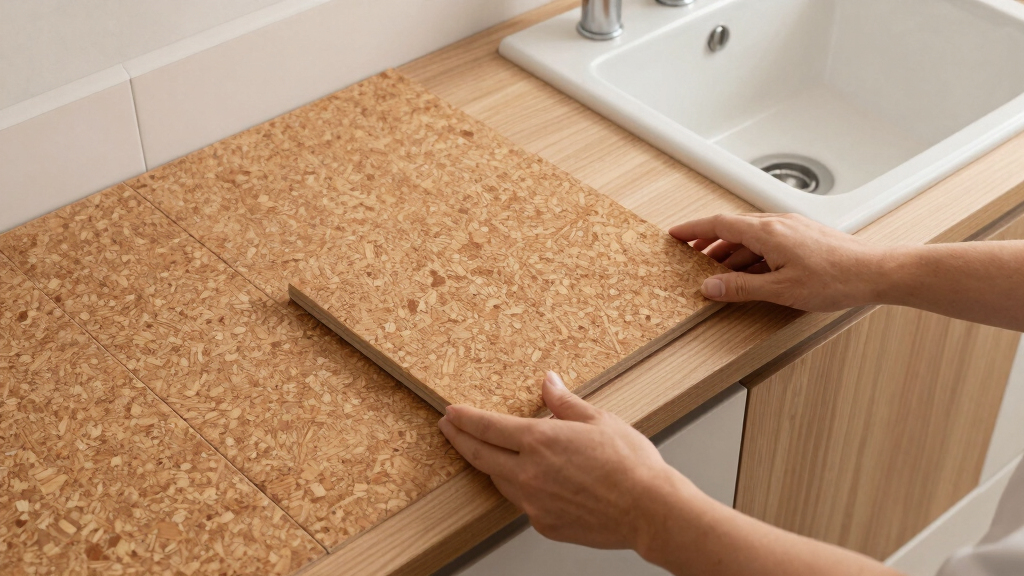
Multiple design firms and brands have reported increased use of cork in 2026, citing its renewable origin and versatility as primary advantages. Cork is now featured in furniture, wall panels, and decorative accessories, with some designers highlighting its acoustic properties and aesthetic appeal.
Industry experts note that cork’s popularity is partly driven by environmental concerns, as it is harvested sustainably without damaging the cork oak trees, unlike the deforestation issues associated with some wood sourcing. Several brands have launched collections emphasizing cork’s eco-friendly credentials, appealing to environmentally conscious consumers.
Why Cork’s Rise Changes Design and Sustainability
The adoption of cork in 2026 signifies a shift towards more sustainable and innovative materials in interior design. It offers a renewable alternative that reduces reliance on traditional wood, which is often linked to deforestation. This trend could influence industry standards and consumer preferences, encouraging more eco-friendly practices across the sector.
As an affiliate, we earn on qualifying purchases.
Cork’s Growing Role in Modern Design Trends
Historically used in wine stoppers and insulation, cork has seen a resurgence in interior design over recent years. The trend gained momentum with increasing awareness of environmental issues and the search for sustainable materials. In 2026, this movement has accelerated as designers experiment with cork’s aesthetic and functional qualities, integrating it into high-end furniture and architectural elements.
Previous years saw limited use of cork mainly in eco-conscious collections, but recent innovations in manufacturing have expanded its applications. Major design fairs and brands have showcased cork-based products, signaling its rising prominence.
“Cork offers a warm, natural look that fits perfectly with contemporary eco-friendly design. Its versatility allows us to create both functional and artistic pieces.”
— Jane Smith, Interior Designer
Unclear Extent of Cork Adoption Across the Industry
While cork’s popularity is rising, it is not yet clear how widespread its adoption will become across all segments of the design industry. Some manufacturers and designers remain cautious about scalability, cost, and long-term durability compared to traditional wood.
Further market data and industry surveys are needed to determine whether cork will replace wood on a broad scale or remain a niche material for specific projects.
Future Developments in Cork-Based Design
Designers and brands are expected to continue experimenting with cork, developing new manufacturing techniques and aesthetic styles. Industry events and trade shows later in 2026 will likely showcase new cork collections, giving insights into its evolving role. Additionally, consumer acceptance and regulatory standards around sustainable materials will influence its market penetration.
Key Questions
Why is cork becoming popular in 2026?
Cork’s popularity in 2026 is driven by its sustainability, versatility, and aesthetic appeal, making it an attractive alternative to wood amid environmental concerns.
How is cork different from traditional wood in design?
Cork offers a unique texture, flexibility, and acoustic properties that differentiate it from traditional wood, allowing for innovative design applications.
Is cork as durable as wood?
While cork is durable for many applications, its long-term performance compared to wood varies depending on use and manufacturing quality. Ongoing innovations aim to improve its durability.
What are the environmental benefits of using cork?
Cork is harvested sustainably without harming the cork oak trees, which absorb carbon dioxide and support biodiversity, making it a highly eco-friendly material.
Will cork replace wood entirely in design?
It is unlikely cork will replace wood entirely; instead, it is expected to complement or serve as an alternative in specific applications, especially where sustainability is prioritized.
Source: rss
Halloween Picks
halloween
As an affiliate, we earn on qualifying purchases.