
TL;DR

Get decor and gifts delivered free with Prime
- Fast, free delivery on millions of items
- Prime Video, Amazon Music and more included
- Member-only deals all year
Eight classic DIY tips are now considered outdated or ineffective. Experts warn that relying on these methods can lead to subpar results or safety issues, emphasizing the need for updated techniques.
Several long-standing DIY tips, once considered reliable, have been found to be ineffective or outdated, according to recent expert assessments. These outdated methods, still sometimes used by homeowners, can lead to poor results or safety concerns, underscoring the importance of adopting modern techniques.
Experts in home improvement and DIY communities have identified eight traditional tips that no longer hold up under current standards or practices. These include using cheap adhesives for structural repairs, relying on old paint mixing methods, and employing outdated insulation techniques. Many of these methods, prevalent decades ago, are now recognized as inefficient or potentially hazardous.
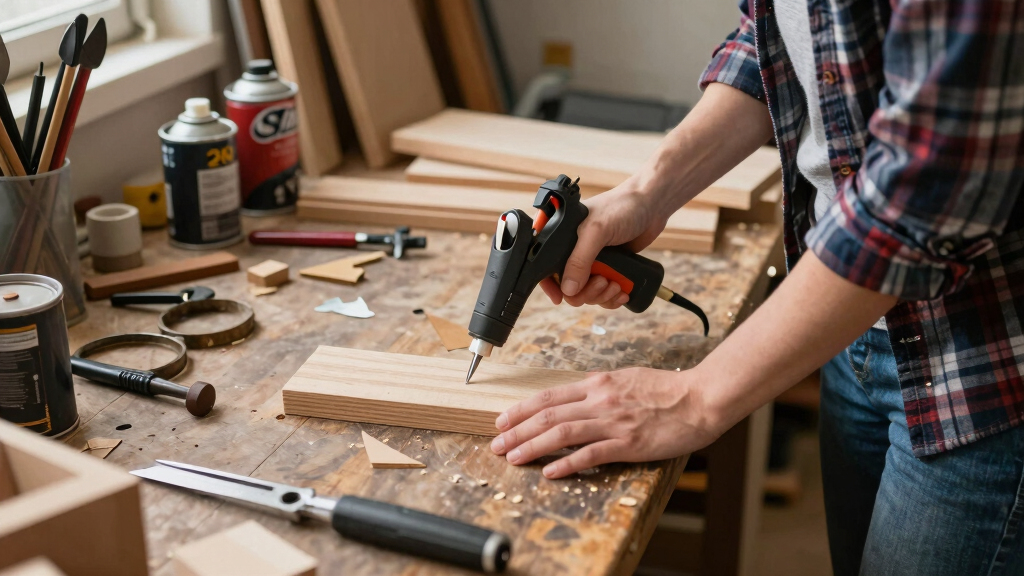
For example, some DIY enthusiasts still recommend mixing paint with household additives to extend coverage, but recent tests show this can compromise durability and finish quality. Similarly, using non-rated adhesives for load-bearing repairs has resulted in structural failures, prompting warnings from safety authorities.
Homeowners and DIYers are encouraged to consult updated guides and professional advice to ensure safety and effectiveness, especially as building codes and materials have evolved significantly over the years.
Why Outdated DIY Tips Can Harm Home Safety and Quality
Relying on outdated DIY methods can compromise the safety, durability, and overall quality of home repairs. Using ineffective or unsafe techniques may lead to costly repairs, safety hazards, or even structural failures. Recognizing which traditional tips are no longer reliable helps homeowners avoid mistakes and adopt safer, more effective practices.
As an affiliate, we earn on qualifying purchases.
Historical Use and Decline of Traditional DIY Tricks
Many of these tips originated in the mid-20th century when DIY culture was emerging, and access to professional tools and materials was limited. Over time, advances in construction materials, safety standards, and professional expertise have rendered many of these tricks obsolete. Despite this, some homeowners still employ these methods, often due to tradition or misinformation.
Recent safety advisories and consumer reports have highlighted the risks associated with these outdated techniques, prompting industry experts to recommend updated approaches for DIY projects.
“Many of these old tricks may seem harmless, but they can actually undermine the safety and longevity of your home repairs. It’s important to stay informed about current best practices.”
— Jane Smith, Home Improvement Expert
Uncertainties About the Longevity of Old DIY Techniques
While experts agree that many traditional tips are outdated, it is still unclear how widespread their continued use remains among amateur DIYers. There is also limited data on the full extent of damage caused by relying on these methods, and whether newer, safer techniques are universally adopted.
Next Steps for Homeowners and DIY Enthusiasts
Homeowners are advised to consult updated DIY guides and professional contractors when undertaking repairs. Industry groups are working to disseminate current best practices through online resources and community workshops. Future research may focus on quantifying the risks associated with outdated techniques and promoting safer alternatives.
Key Questions
Which old DIY tips are most commonly used today?
Many still rely on using household adhesives for structural repairs, mixing paint with non-standard additives, and applying outdated insulation methods, despite safety warnings.
Are there any safe ways to use old DIY tricks?
Generally, it is safer to avoid outdated techniques. Always consult current guidelines or professionals to ensure safety and effectiveness.
How can I tell if a DIY method is outdated?
Check reputable sources such as professional home improvement websites, building codes, and recent expert advice. If a technique is not supported by current standards, it is likely outdated.
What are the risks of using outdated DIY methods?
Risks include structural failure, safety hazards, reduced durability, and potential violations of building codes, which could lead to costly repairs or legal issues.
Source: rss
Fall Picks
fall essentials
As an affiliate, we earn on qualifying purchases.