TL;DR
California state regulators have initiated enforcement actions against several Los Angeles shopping centers and warehouses for failing to control polluted runoff. This move aims to address water pollution issues linked to commercial properties. The situation highlights ongoing environmental compliance challenges in the region.
California environmental regulators have begun cracking down on **polluted stormwater runoff** from **shopping centers and warehouses** in Los Angeles, citing violations of water quality laws. This initiative reflects increased efforts to enforce pollution controls on commercial properties that contribute to urban water contamination, which impacts local waterways and ecosystems.
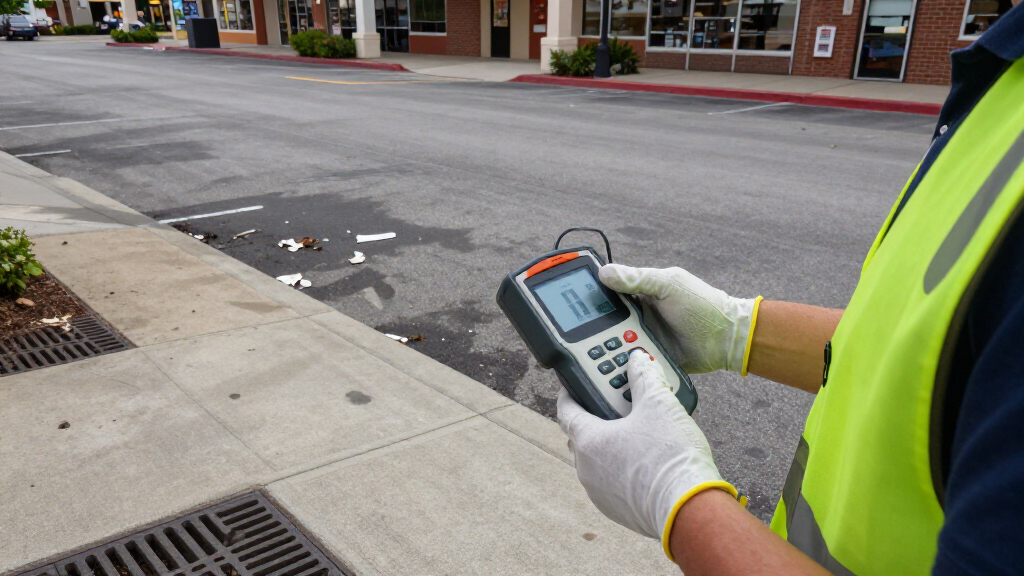
The California State Water Resources Control Board announced enforcement actions targeting multiple Los Angeles retail and warehouse facilities for **failing to implement adequate stormwater pollution controls**. These measures include issuing notices of violation and requiring corrective actions to prevent contaminated runoff from entering local storm drains and waterways. The crackdown follows recent inspections revealing that several properties did not meet state standards for managing runoff, which can carry pollutants such as oils, chemicals, and debris into rivers and the ocean.
Officials from the State Water Board emphasized that **compliance with stormwater regulations is a legal requirement** for commercial property owners**, and failure to do so can result in penalties and mandates for corrective measures. The targeted properties include well-known shopping centers and large distribution warehouses that generate significant stormwater runoff during rain events. The enforcement actions are part of a broader regional effort to improve water quality and reduce pollution in the Los Angeles area.
Implications of State Enforcement on Local Water Quality
This crackdown underscores the importance of **regulatory oversight in controlling urban water pollution**. Polluted runoff from commercial properties has long been a concern due to its contribution to waterway contamination, affecting marine life and public health. The enforcement signals a **stronger commitment by state regulators** to ensure property owners comply with environmental laws, potentially leading to improved water quality in Los Angeles’s rivers, lakes, and coastal waters. It also raises awareness among property owners about their legal responsibilities and the need for better stormwater management practices.
stormwater pollution control products
As an affiliate, we earn on qualifying purchases.
As an affiliate, we earn on qualifying purchases.
Background on Stormwater Pollution Enforcement in California
California has historically faced challenges with stormwater pollution, especially in urban areas like Los Angeles where heavy rainfall can wash pollutants from roads, parking lots, and commercial properties into waterways. State agencies have increased their focus on **enforcing existing stormwater management laws**, including the federal Clean Water Act and California’s own regulations. Previous efforts have included inspections, fines, and mandates for property upgrades. This recent enforcement wave follows years of advocacy from environmental groups and increased public concern over water quality issues, particularly in the context of drought and climate change impacts.
“Many commercial properties are not adequately managing stormwater, which leads to pollutants entering our waterways. Our goal is to enforce compliance and protect water quality.”
— Jane Smith, Environmental Enforcement Officer
Uncertain Scope of Violations and Future Penalties
It is not yet clear how many properties will face penalties or how extensive the violations are across all targeted facilities. Details about specific violations and the timeline for corrective actions remain under investigation. Additionally, the long-term impact of these enforcement actions on water quality improvements is still uncertain, as ongoing compliance and monitoring are required.
Next Steps in Enforcement and Water Quality Monitoring
Property owners are expected to respond to notices of violation by implementing required stormwater controls within specified timeframes. The Water Board will conduct follow-up inspections to verify compliance. Long-term, authorities plan to increase monitoring efforts and potentially expand enforcement to other commercial sectors if violations persist. Progress reports and updates on water quality improvements are anticipated over the coming months.
Key Questions
What types of pollutants are involved in runoff from shopping centers and warehouses?
Runoff can carry pollutants such as oils, chemicals, debris, heavy metals, and other contaminants from parking lots, loading areas, and building surfaces into waterways.
What are the legal requirements for stormwater management at commercial properties in California?
Property owners must implement stormwater pollution prevention plans, install controls like retention basins or filtration systems, and regularly maintain these measures to prevent contaminants from entering storm drains and waterways.
Could these enforcement actions lead to fines or legal penalties?
Yes, violations of water quality laws can result in fines, mandates for corrective measures, and other legal penalties as enforced by the California State Water Resources Control Board.
Are all Los Angeles commercial properties subject to these regulations?
Most commercial properties that generate stormwater runoff are subject to regulation, but the current enforcement targets specific facilities identified during recent inspections.
What is the long-term goal of these enforcement efforts?
The primary aim is to reduce pollutant loads entering waterways, improve water quality, and ensure compliance with environmental laws across the region.
Source: local