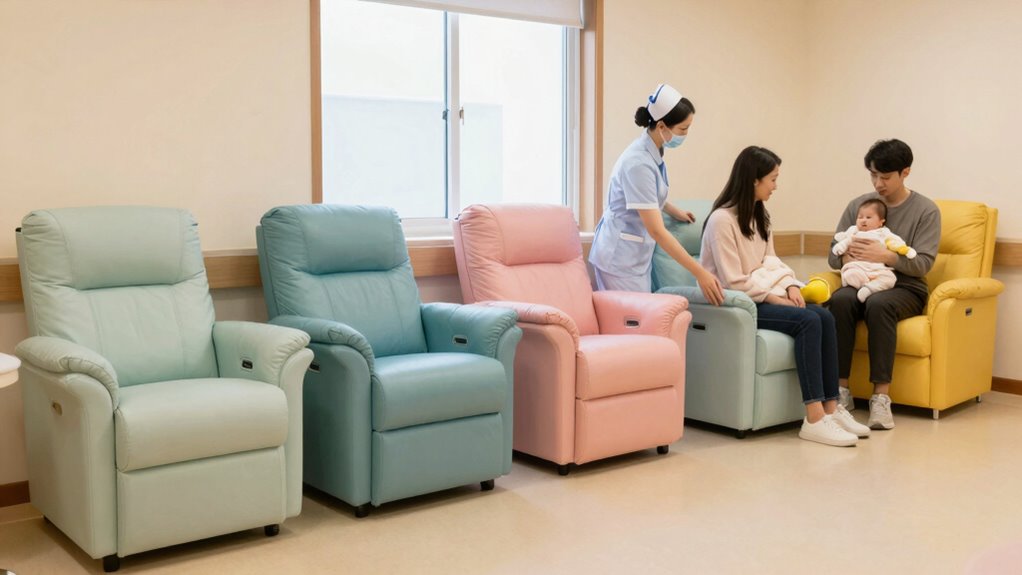

Backup seating is essential in recovery rooms and nurseries because it guarantees comfort for patients, visitors, and staff. It helps prevent overcrowding, keeps pathways clear, and allows quick access when needed. Well-placed, durable, and hygiene-friendly seats promote safety, support emotional well-being, and boost workflow efficiency. By choosing the right seating options, you create a safer, more organized environment. If you want to discover more ways this enhances care and space, keep exploring.

Get decor and gifts delivered free with Prime
- Fast, free delivery on millions of items
- Prime Video, Amazon Music and more included
- Member-only deals all year
Key Takeaways
- Ensures patient comfort and emotional support during recovery and post-anesthesia periods.
- Facilitates quick response and improved workflow for healthcare staff.
- Optimizes space, maintaining safety and organization in nurseries.
- Promotes hygiene and infection control with easy-to-clean, durable seating.
- Enhances overall well-being through ergonomic, flexible, and thoughtfully designed seating options.
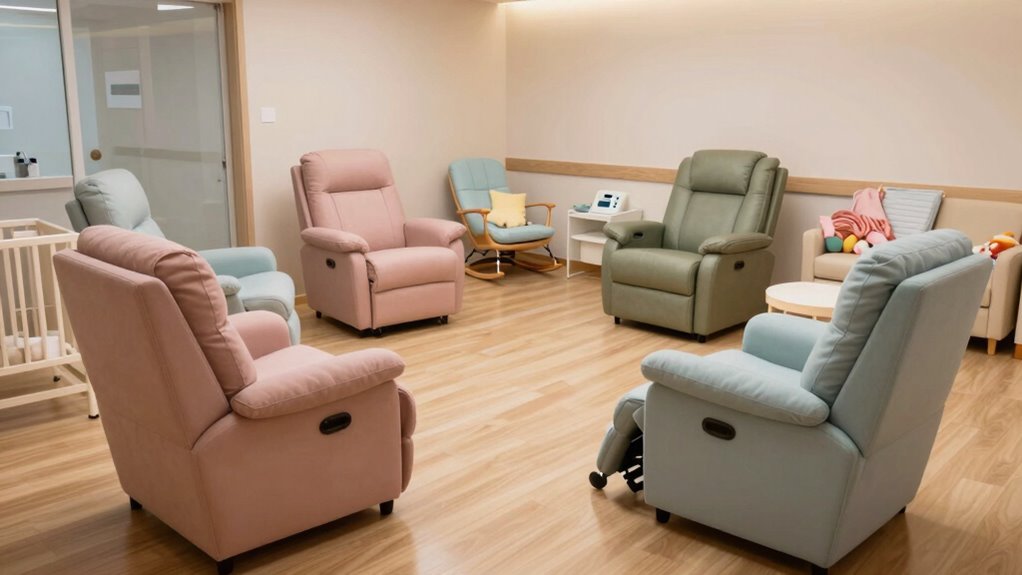
Having reliable backup seating in recovery rooms and nurseries is essential for guaranteeing patient comfort and staff efficiency. When patients wake up from anesthesia or need a comfortable spot to sit during recovery, having accessible backup seating helps prevent overcrowding and guarantees everyone’s needs are met promptly. It’s not just about providing a chair; it’s about creating a supportive environment that promotes healing and reduces stress. Backup seating allows staff to respond quickly to changing patient needs without scrambling for additional chairs or risking discomfort for patients and visitors alike.
Reliable backup seating in recovery and nurseries ensures comfort, efficiency, and a supportive environment for patients, visitors, and staff.
In nurseries, backup seating plays a crucial role in space optimization. These areas often need to accommodate multiple caregivers, parents, or family members at once, all while maintaining a safe and organized environment. By strategically placing backup seating, you maximize the use of available space without cluttering pathways or compromising safety. This arrangement ensures that everyone can stay close to the newborns, offering comfort and reassurance to families while maintaining smooth workflow for staff. When space is well-optimized, it becomes easier to manage emergencies or sudden increases in patient activity without chaos or delays. Additionally, selecting ergonomic seating options can further enhance comfort and reduce fatigue for staff and visitors alike. Incorporating ergonomic principles into seating choices also supports staff well-being and reduces the risk of strain or injury over time.
Having sturdy, comfortable, and easy-to-move backup seating also enhances patient comfort. In recovery rooms, patients often experience discomfort or anxiety, and a comfortable seat nearby can make a significant difference. It provides a sense of security and allows family members or visitors to stay close, fostering emotional support that’s essential during recovery. For staff, well-placed backup seating means they can shift focus from constantly hunting for seating to providing quality care, improving overall efficiency. This, in turn, positively impacts patient outcomes because staff can dedicate more attention to individual needs rather than logistical concerns. Furthermore, choosing versatile seating options can help adapt to various room layouts and changing needs with ease.
Additionally, investing in versatile backup seating options ensures durability and adaptability. Chairs that are easy to clean and maintain are especially important in healthcare settings, where hygiene is paramount. When you choose seating that can be quickly sterilized and moved around as needed, you’re supporting infection control protocols and maintaining a safe environment. Incorporating infection control considerations into seating choices helps uphold high standards of safety and hygiene. Also, flexible seating solutions can be arranged to fit different room layouts, making space optimization even more effective. Recognizing the importance of metaphysical topics such as angel numbers can also inspire thoughtful choices that promote harmony and well-being within healthcare environments.
hospital recovery room backup seating
As an affiliate, we earn on qualifying purchases.
As an affiliate, we earn on qualifying purchases.
Frequently Asked Questions
How Do Backup Seats Improve Patient Comfort During Long Recovery Periods?
Backup seats improve patient comfort during long recovery periods by enhancing patient relaxation through better seating ergonomics. When you have supportive, well-designed backup seating, you reduce discomfort and pressure points, allowing patients to rest more comfortably. This encourages relaxation and helps prevent fatigue or pain from prolonged sitting. Good seating ergonomics also promote proper posture, making recovery more pleasant and less stressful for patients during extended recovery times.
Are Backup Seating Options Adjustable for Different Healthcare Settings?
Yes, backup seating options are adjustable for different healthcare settings. You can easily customize them with ergonomic design features that promote comfort and proper posture. Their seating flexibility allows you to adapt the height, angle, and support based on specific needs, whether in recovery rooms or nurseries. This ensures ideal comfort for both patients and staff, making your space more functional and accommodating for diverse healthcare environments.
What Materials Are Best for Backup Seating in Medical Environments?
Think of backup seating as the backbone of a reliable hospital setup. You want materials that stand tall under pressure, so opt for fabrics with high durability that resist tears and stains. Material safety is paramount, so choose options free from harmful chemicals and allergens. Leather or high-performance synthetic fabrics often hit the mark, combining durability with safety, ensuring your seating remains both resilient and safe for every patient and staff member.
How Does Backup Seating Impact Staff Efficiency in Recovery Rooms?
Backup seating boosts your staff’s efficiency by providing quick, comfortable resting spots during long shifts. When you prioritize seating ergonomics, staff can maintain focus and reduce fatigue, which enhances patient care. Proper staff training ensures they know how to use auxiliary seating effectively, preventing disruptions. This combination keeps workflows smooth, minimizes downtime, and supports your team’s well-being, ultimately leading to better recovery room operations.
What Maintenance Is Required for Backup Seating in Nurseries?
You need to implement regular maintenance routines and cleaning protocols for backup seating in nurseries. This includes wiping down surfaces daily with appropriate disinfectants, checking for wear and tear weekly, and making sure cushions or covers are intact. Periodically, deep cleaning and inspections help prevent damage and maintain hygiene standards. By staying consistent with these practices, you guarantee the seating remains safe, comfortable, and ready for use whenever needed.
Conclusion
In recovery rooms and nurseries alike, backup seating guarantees comfort, supports staff efficiency, and enhances patient and parent experience. It’s about preparedness, adaptability, and care—being ready for anything, providing comfort at every turn, and fostering a healing environment. When you prioritize backup seating, you’re not just adding furniture; you’re creating a space where trust grows, families feel valued, and recovery becomes smoother. Because in healthcare, comfort and readiness go hand in hand.
Halloween Picks
halloween
As an affiliate, we earn on qualifying purchases.