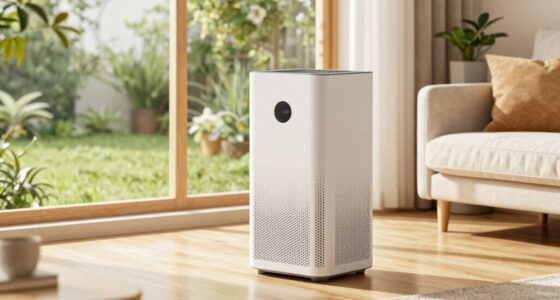

You might not realize how vital air quality is in a nursery because young children are especially vulnerable to pollutants that can affect their growth, immune systems, and brain development. Poor air can cause respiratory issues, allergies, and cognitive delays. Using proper filtration and controlling indoor sources of pollution can make a big difference. Keep going to discover why maintaining fresh, clean air isn’t just beneficial — it’s essential for your child’s health now and in the future.

Get decor and gifts delivered free — and shop member deals
- Fast, free delivery on millions of items
- Access to Prime Big Deal Days deals on October 6–7
- Prime Video, Amazon Music and more included
Key Takeaways
- Children’s developing lungs and immune systems make them more vulnerable to airborne pollutants.
- Poor air quality can impair cognitive development and cause long-term health issues.
- Nurseries often have indoor sources of pollutants like cleaning chemicals and toys.
- Maintaining clean, well-ventilated air reduces the risk of respiratory infections and allergies.
- Good air quality supports better sleep, focus, and overall growth in young children.
Have you ever wondered how the air your child breathes in a nursery affects their health and development? The truth is, the quality of that air plays a fundamental role in your child’s well-being. Young children are especially vulnerable to pollutants because their lungs and immune systems are still developing. Poor air quality can lead to respiratory issues, allergies, and even impact cognitive growth over time. That’s why paying attention to air filtration and understanding pollutant sources becomes so important when it comes to nurseries. Investing in digital marketing tools can help providers promote awareness and implement best practices for air quality management.
Air filtration is your first line of defense against harmful particles and airborne contaminants. High-quality air filtration systems can remove dust, pollen, pet dander, and other irritants that float around in indoor air. HEPA filters, for example, are designed to trap tiny particles that traditional filters might miss, ensuring cleaner air for your children to breathe. Good ventilation and air purification devices help maintain a steady flow of fresh air, reducing the concentration of pollutants inside the nursery. When you prioritize effective air filtration, you’re actively reducing the risk of respiratory infections and allergic reactions that can hinder your child’s health and comfort. Additionally, maintaining proper indoor air quality can help prevent the buildup of harmful pollutants in enclosed spaces.
Understanding pollutant sources is equally essential. Common sources include indoor activities like painting, cleaning, and the use of certain toys or furniture treated with chemicals. Outside, pollutants from vehicle emissions, industrial activity, and pollen can find their way inside through open windows and doors. Even mold and dust mites, which thrive in damp environments, contribute to poor air quality. Identifying these sources helps you take targeted steps to reduce exposure. For instance, choosing low-emission cleaning products, regularly cleaning soft furnishings, and controlling indoor humidity can considerably cut down on indoor pollutants. Additionally, ensuring proper ventilation prevents the buildup of indoor pollutants, which tend to accumulate in enclosed spaces. Recognizing indoor pollutant sources enables caregivers and providers to create more effective strategies for maintaining healthy air quality. Regular inspections for mold and dust accumulation are also vital in sustaining a safe environment.
You might not realize how much these seemingly small factors influence your child’s health. By focusing on air filtration and eliminating pollutant sources, you’re creating a safer, healthier environment for your little one. Clean, fresh air supports their immune system, reduces susceptibility to illnesses, and promotes better sleep and concentration during the day. In a nursery setting, where children spend most of their time, this attention to air quality isn’t just about comfort—it’s about laying the foundation for long-term health and development. Ultimately, investing in good air quality measures is one of the most effective ways to guarantee your child’s nursery environment nurtures their growth in every way.
As an affiliate, we earn on qualifying purchases.
Frequently Asked Questions
How Often Should Nursery Air Quality Be Tested?
You should test nursery air quality at least once every three to six months, depending on ventilation strategies and local regulations. Regular air quality monitoring helps catch pollutants early and guarantees a safe environment. If you notice odors, increased respiratory issues, or poor ventilation, conduct testing more frequently. Consistent monitoring allows you to make informed decisions, maintain healthy air, and protect the wellbeing of children and staff.
Can Air Purifiers Completely Eliminate Indoor Pollutants?
Imagine a nursery with persistent mold spores despite using an air purifier. While air purifiers can substantially reduce indoor pollutants, they can’t completely eliminate all sources, especially from ongoing indoor pollutant sources like cleaning chemicals or mold. Air purifier limitations mean you need to address these sources directly. Regular cleaning, proper ventilation, and choosing the right purifier with HEPA filters help guarantee better air quality for your little ones.
What Are Common Sources of Indoor Air Pollution in Nurseries?
You’ll find common sources of indoor air pollution in nurseries include chemical emissions from cleaning supplies, paints, and toys, along with mold growth in damp areas. These pollutants can harm children’s health and development. Regularly ventilate the space, use non-toxic products, and control humidity levels to reduce risks. Being proactive helps guarantee a safer environment where children can learn and grow without exposure to harmful pollutants.
How Does Poor Air Quality Affect Children’s Immune Systems?
Poor air quality can weaken children’s immune response, making them more vulnerable to illnesses. When they breathe in pollutants, their respiratory health suffers, causing inflammation and decreased lung function. This stress on their immune system hampers their ability to fight off infections. As a result, children are more likely to catch colds, flu, and other respiratory illnesses, emphasizing the importance of maintaining clean, fresh air in nurseries for their overall health.
Are There Specific Air Quality Standards for Nurseries?
You might think there are strict indoor air regulations for nurseries, but standards vary by region. Typically, nursery ventilation standards aim to guarantee safe air quality by controlling pollutants and humidity levels. It’s wise to stay ahead of the curve, as good air quality isn’t just a nice-to-have—it’s a must. Regularly check local guidelines to meet or exceed these standards, ensuring a healthier environment where children can thrive.
Conclusion
Remember, the air your little one breathes is the foundation of their health and growth. Think of it as the invisible gardener nurturing their tiny lungs and immune system. By ensuring pristine air quality in nurseries, you’re not just providing a safe space—you’re planting the seeds for a healthier, happier future. So, take action today; because when it comes to your child’s well-being, every breath counts more than you realize.
Halloween Picks
halloween
As an affiliate, we earn on qualifying purchases.