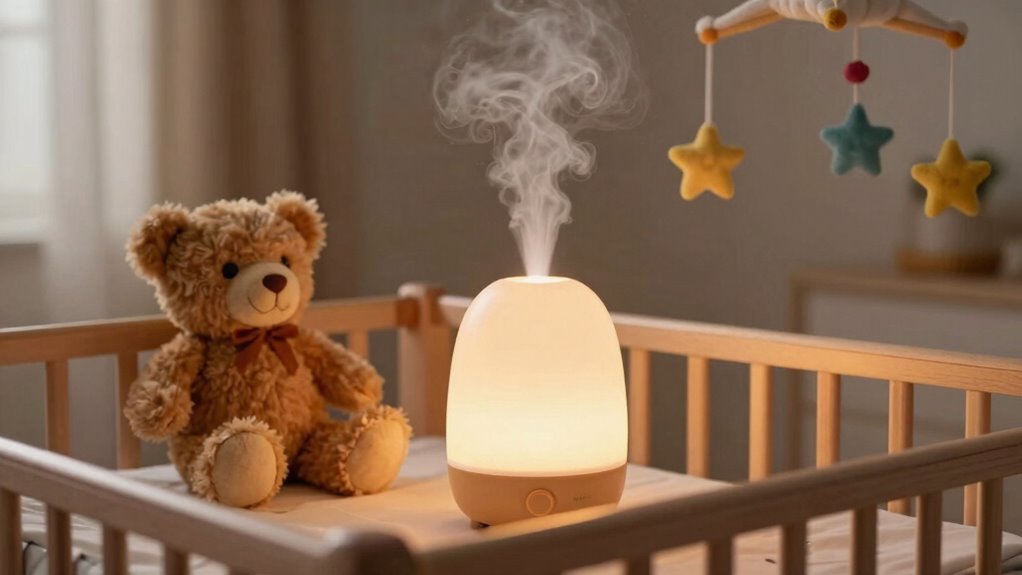

Maintaining the right humidity level in your nursery is essential for your baby’s health and comfort. You shouldn’t guess since too dry air can cause skin and nasal issues, while excessive moisture promotes mold growth. The ideal range is 40-60%, and using a humidity monitor helps keep it steady. Proper air circulation and regular adjustments improve safety and comfort. Keep these tips in mind, and you’ll discover how to create the perfect environment for your little one.

Get decor and gifts delivered free — and shop member deals
- Fast, free delivery on millions of items
- Access to Prime Big Deal Days deals on October 6–7
- Prime Video, Amazon Music and more included
Key Takeaways
- Maintaining humidity between 40%-60% ensures optimal comfort and health for babies.
- Regularly monitor humidity levels with a gauge to prevent guesswork.
- Use dehumidifiers and ventilation strategically to keep moisture within the ideal range.
- Seasonal adjustments are necessary to account for weather-related humidity changes.
- Proper air circulation prevents damp or excessively dry pockets, enhancing nursery safety.
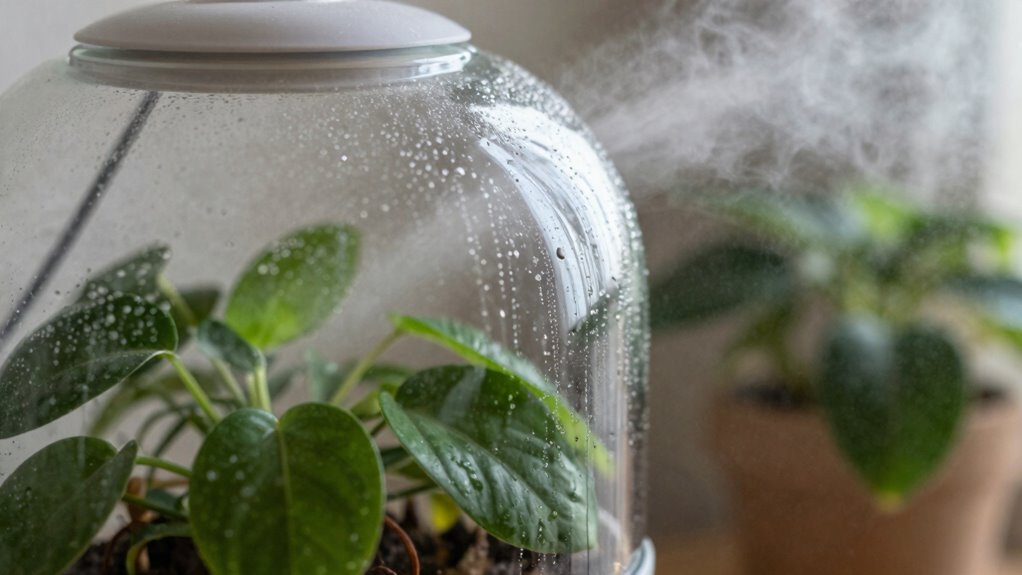
Maintaining the right humidity level in your nursery is vital for your baby’s health and comfort. When the air is too dry or too damp, it can lead to issues like dry skin, respiratory discomfort, or mold growth. Achieving that perfect humidity balance requires understanding how air circulation plays an essential role in maintaining a healthy environment. Good air circulation helps evenly distribute humidity, preventing pockets of dampness or dryness that can cause problems. It also guarantees that stale air doesn’t linger, reducing the risk of allergens and airborne bacteria. You might notice that a simple fan, placed correctly, can greatly improve air flow and help maintain consistent humidity levels. Proper air circulation can also help your dehumidifier work more effectively by dispersing moisture more evenly throughout the room.
Using a dehumidifier benefits your nursery by controlling excess moisture and preventing mold growth, which thrives in humid environments. These devices are easy to operate and provide a dependable way to keep humidity within the recommended range—generally between 40% and 60%. When humidity levels are too high, mold spores can settle on furniture, bedding, and walls, posing health risks for your little one. Conversely, if it’s too dry, your baby’s skin and nasal passages can become irritated, leading to discomfort and increased susceptibility to colds. A dehumidifier helps you fine-tune the environment, creating a safer, more comfortable space for your baby to rest and grow.
However, it’s not just about turning on a dehumidifier and forgetting about it. You need to monitor humidity levels regularly, especially during seasonal changes when weather fluctuations can impact indoor moisture. Checking the humidity gauge guarantees you’re not guessing but rather maintaining a suitable environment. Additionally, proper air circulation complements the dehumidifier’s benefits by preventing stagnant air, which can lead to uneven humidity distribution. Opening windows when weather permits, or using exhaust fans in adjacent rooms, can help create a steady flow of fresh air. Ensuring good air circulation is essential for maintaining a consistent and healthy humidity level in your nursery. Regularly inspecting and adjusting ventilation strategies ensures that your nursery remains a safe haven for your baby. Incorporating proper humidity control techniques can further enhance your efforts to create an optimal environment. Being aware of indoor air quality factors can also help you make informed decisions about maintaining the best possible environment for your little one.
As an affiliate, we earn on qualifying purchases.
Frequently Asked Questions
How Does Humidity Affect Newborn Sleep Quality?
You’ll notice that proper humidity improves your newborn’s sleep quality by preventing dryness and congestion. To maintain ideal conditions, regularly check and clean your humidifier to avoid mold and bacteria buildup. Also, guarantee good nursery air circulation to distribute humidity evenly. When humidity levels stay within the sweet spot, your baby sleeps more comfortably, breathing easier, which helps them rest better throughout the night.
Can Too High Humidity Cause Mold in the Nursery?
Yes, too high humidity can lead to mold in the nursery. To prevent mold, you should maintain proper humidity levels, typically between 40-60%, and guarantee good air circulation. Regularly ventilate the room and use dehumidifiers if needed. This helps keep moisture in check, reducing the risk of mold growth. Keep an eye on humidity levels with a hygrometer to create a safe, healthy environment for your baby.
What Are the Signs of Improper Humidity for Babies?
If your baby’s skin looks dry, flaky, or becomes irritated, it’s a sign of improper humidity. Imagine a nursery with overly dry air, causing your baby’s delicate skin to crack and peel, making nursery decor and baby skin care more challenging. Conversely, excessive humidity might lead to mold or a stuffy environment. Keep an eye on these signs to maintain a healthy, comfortable space for your little one.
How Quickly Should Humidity Levels Be Adjusted?
You should adjust humidity levels gradually, monitoring with humidity meters to avoid sudden changes that can stress your baby. Guarantee good air circulation to help stabilize the environment. Check the humidity regularly, aiming for that sweet spot, and make small adjustments as needed. Rapid shifts can cause discomfort or health issues, so take your time, and always rely on humidity meters to guide your adjustments accurately.
Are There Risks Associated With Overly Dry Nursery Air?
Overly dry nursery air can increase airborne bacteria, which may lead to respiratory issues for your baby. Poor humidity control dries out their skin and nasal passages, making them more vulnerable to infections. To minimize these risks, maintain humidity levels within the recommended range. Regularly monitor humidity and avoid overly dry conditions, ensuring your nursery stays safe and comfortable for your little one.
Conclusion
Remember, finding that perfect humidity level in your nursery is like walking a tightrope—you need balance, not guesswork. Keep a close eye on your baby’s comfort and health, adjusting the moisture as needed. Don’t let your efforts go down the drain by neglecting the little details. When you hit that sweet spot, you’ll see your little one thrive, proving that a little attention to detail can go a long way.
Halloween Picks
halloween
As an affiliate, we earn on qualifying purchases.