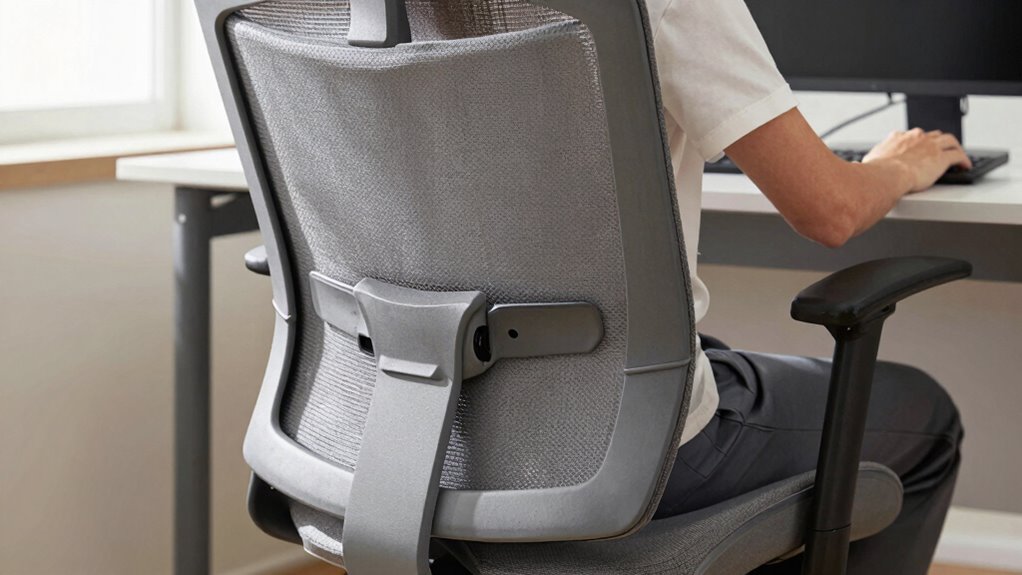

Orthopedic cushions can provide relief, but they only work well if you also change your sitting habits. Sitting in poor posture, like slouching or leaning forward, puts strain on your back and neck, reducing cushion benefits. To get real comfort and prevent long-term issues, you need to sit upright, keep your feet flat, and position your monitor correctly. If you want to discover practical tips to improve your sitting habits and maximize support, keep exploring how they work together.

Get decor and gifts delivered free — and shop member deals
- Fast, free delivery on millions of items
- Access to Prime Big Deal Days deals on October 6–7
- Prime Video, Amazon Music and more included
Key Takeaways
- Orthopedic cushions provide support but cannot correct poor sitting posture on their own.
- Proper sitting habits are essential to maximize the benefits of orthopedic cushions.
- Cushions improve comfort only when used with ergonomic sitting techniques.
- Combining cushions with good posture reduces strain and enhances long-term health.
- Relying solely on cushions without adjusting habits limits their effectiveness.

Have you ever wondered how your sitting habits impact your overall health? If you spend long hours at a desk, you probably know how common discomforts like back pain, neck strain, and poor posture are. Many people turn to orthopedic cushions, believing they’ll instantly improve their sitting experience. While these cushions can provide relief, they won’t do much good if you keep sitting the same way. To see real benefits, you need to combine orthopedic cushions with a conscious effort to change your sitting habits. That means paying attention to your posture and creating ergonomic desk setups that support your body properly.
Good posture correction techniques are essential. Sitting with your back straight, shoulders relaxed, and feet flat on the floor helps reduce strain. If your chair isn’t supportive enough, an orthopedic cushion can help fill in the gaps, but it’s not a magic fix. You need to be mindful of how you position yourself daily. For example, avoid slouching or leaning forward, which puts unnecessary pressure on your spine. Instead, aim to keep your hips aligned with your knees and your monitor at eye level to prevent neck strain. These small adjustments can make a significant difference in how your body feels after hours of work. Developing healthy sitting habits is crucial for long-term comfort and health.
Maintain good posture by sitting upright, keeping shoulders relaxed, and aligning your hips and knees.
Creating an ergonomic desk setup is another key component. Adjust your chair height so your elbows are roughly at a 90-degree angle when typing, and ensure your feet are firmly planted on the ground or on a footrest. Use an ergonomic keyboard and mouse to reduce wrist tension. Position your monitor directly in front of you, about an arm’s length away, to prevent craning your neck. All these changes reinforce healthy sitting habits that protect your back and neck, reducing the need for constant cushion use. Remember, an orthopedic cushion alone won’t undo years of poor posture—it’s a supportive tool, not a substitute for better habits. Becoming familiar with ergonomic principles can help you create a more supportive workspace tailored to your needs.
Incorporating these posture correction techniques into your daily routine takes effort, but the payoff is worth it. When you combine an ergonomic desk setup with mindful sitting practices, orthopedic cushions become more effective and less of a band-aid solution. Over time, you’ll notice less discomfort, improved energy levels, and a stronger, healthier back. Changing your sitting habits isn’t always easy, but it’s necessary if you want to prevent chronic pain and enhance your overall well-being. The cushions are just one part of the puzzle—your active effort to sit better truly makes the difference.
As an affiliate, we earn on qualifying purchases.
Frequently Asked Questions
How Long Should I Use an Orthopedic Cushion Daily?
You should use an orthopedic cushion daily for about 2-4 hours, but it’s essential to combine it with ergonomic adjustments and improved posture awareness. Take breaks regularly to prevent reliance on the cushion alone. As you develop better sitting habits, you might reduce usage. Listening to your body helps; if discomfort persists, consult a professional. Consistent use paired with posture improvements maximizes relief and long-term benefits.
Are Orthopedic Cushions Suitable for All Types of Chairs?
Orthopedic cushions aren’t suitable for all chair types; chair compatibility is key. You should guarantee your chair provides enough support and space for the cushion. Material considerations matter too—look for cushions with breathable, durable covers that fit comfortably. If your chair has a tight fit or isn’t stable, the cushion may shift or be ineffective. Always check the cushion’s specifications and test it on your chair before regular use.
Can Cushions Prevent Long-Term Back Problems?
Cushions can help prevent long-term back problems if they promote good posture correction and provide muscle support. When you use a cushion properly, it encourages proper spinal alignment and relieves pressure on your back muscles. However, it’s essential to combine cushioning with healthy sitting habits. Without addressing your overall posture and movement patterns, cushions alone won’t fully prevent long-term issues, so stay mindful of your sitting ergonomics.
What Materials Are Best for Orthopedic Cushions?
Think of your cushion as a loyal guardian for your back. Memory foam is like a gentle hug, contouring perfectly to your shape for support. Gel-infused materials add a invigorating touch, dispersing heat and keeping you cool. These materials combine comfort and durability, making them ideal for orthopedic cushions. Choosing a cushion with memory foam or gel-infused layers ensures your sitting experience stays supportive and comfortable throughout the day.
Do Orthopedic Cushions Require Special Maintenance?
Orthopedic cushions do require some special maintenance. You should clean them regularly—usually once a week—using mild soap and water to maintain hygiene and cushion durability. Avoid harsh chemicals that could damage the materials. Also, check for signs of wear and tear often; replacing or repairing the cushion as needed guarantees it remains supportive. Proper maintenance helps extend the cushion’s lifespan and keeps you comfortable during use.
Conclusion
Remember, if you rely solely on orthopedic cushions, you’re missing the bigger picture. To truly banish back pain and boost comfort, you must break old sitting patterns and build better habits. Change your chair choices, challenge your chair-chilling customs, and champion consistent movement. Cushions can help, but only if you commit to conscious, consistent changes. So, step up, sit smarter, and set yourself on a path to pain-free, pleasurable posture!
Fall Picks
fall essentials
As an affiliate, we earn on qualifying purchases.