TL;DR

Get decor and gifts delivered free — and shop member deals
- Fast, free delivery on millions of items
- Access to Prime Big Deal Days deals on October 6–7
- Prime Video, Amazon Music and more included
Advances in harness engineering are creating new opportunities for self-improvement through personalized wearable devices. Experts say this could revolutionize how individuals optimize their health and productivity. The development is ongoing, with commercial applications expected soon.
Recent advancements in harness engineering are enabling the creation of personalized wearable devices aimed at self-improvement. These innovations, developed by tech firms and research institutions, are designed to optimize physical performance, mental focus, and overall health, marking a significant shift in how individuals can leverage technology for personal growth.
Several companies and research groups have announced new prototypes of wearable harnesses that monitor physiological signals such as muscle activity, heart rate, and brain waves. These devices are designed to provide real-time feedback, coaching, and data-driven insights to users seeking to improve their fitness, focus, or recovery. According to industry sources, these harnesses are integrating advanced sensors with machine learning algorithms to personalize recommendations based on individual data.
While some prototypes are already undergoing testing with select users, commercial availability is not yet confirmed. Experts emphasize that these devices are built to be adjustable, comfortable, and capable of syncing with smartphones and other personal devices. The goal is to make self-improvement tools more accessible, precise, and tailored to individual needs, potentially transforming personal health and productivity routines.
Potential Impact of Harness Engineering on Personal Growth
This development could significantly influence how individuals approach self-improvement by providing accessible, data-driven tools tailored to personal needs. If widely adopted, these harnesses may improve physical training, mental focus, and recovery processes, contributing to overall wellness and productivity. Experts believe this could lead to a new era of personalized health management, with implications for fitness, mental health, and workplace performance.
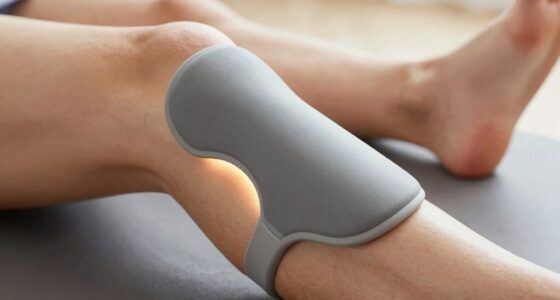
personalized wearable health monitor
As an affiliate, we earn on qualifying purchases.
As an affiliate, we earn on qualifying purchases.
Recent Trends in Wearable Tech and Human Performance
Over the past few years, wearable technology has expanded from simple fitness trackers to sophisticated health monitoring devices. Companies like Fitbit, Apple, and emerging startups have increasingly focused on integrating sensors that track diverse physiological metrics. The current focus on harness engineering represents a further evolution, aiming to embed sensors into flexible, wearable structures that can be worn comfortably during various activities. This trend aligns with broader movements toward personalized medicine and biohacking, where individuals seek to optimize their biological functions using technology.
“Harness engineering is opening new frontiers in personalized self-improvement, allowing for real-time feedback and tailored interventions that were previously impossible.”
— Dr. Lisa Chen, Biomedical Engineer
Unclear Timeline and Market Adoption for Harness Devices
It is not yet confirmed when these harness-based devices will be commercially available or how widely they will be adopted. Experts caution that regulatory approvals, manufacturing scalability, and user acceptance will influence the timeline and success of these innovations. Additionally, the long-term efficacy and safety of personalized harnesses remain to be thoroughly evaluated in real-world settings.
Next Steps for Development and Commercialization
Researchers and companies plan to conduct larger-scale testing of prototype devices in early 2024. Regulatory processes and funding will influence the timeline for market release. Industry analysts expect that, if successful, these harnesses could reach consumers within the next 1-2 years, with potential integration into health and fitness markets. Ongoing studies will also assess the impact of these devices on long-term self-improvement outcomes.
Key Questions
What are harness engineering devices used for?
They are wearable devices designed to monitor physiological signals and provide feedback to help improve physical performance, mental focus, and overall health.
Are these devices safe and regulated?
As prototypes are still in testing, safety and regulatory approval processes are ongoing. Final products will need to meet health and safety standards before widespread release.
When will these harness devices be available to consumers?
It is unclear; industry sources suggest possible availability within the next 1-2 years, depending on regulatory approval and market readiness.
How effective are these devices expected to be?
Experts believe they have the potential to significantly enhance self-improvement efforts, but long-term efficacy will depend on user engagement and further validation studies.
Can these devices replace traditional training or therapy?
They are intended to complement existing methods, providing personalized insights, but are unlikely to replace professional guidance entirely.
Source: hn
Fall Picks
fall essentials
As an affiliate, we earn on qualifying purchases.