
TL;DR
Listen free for 30 days with Audible
Thousands of audiobooks and originals — cancel anytime.
Start your free trialAs an affiliate, we earn on qualifying purchases.
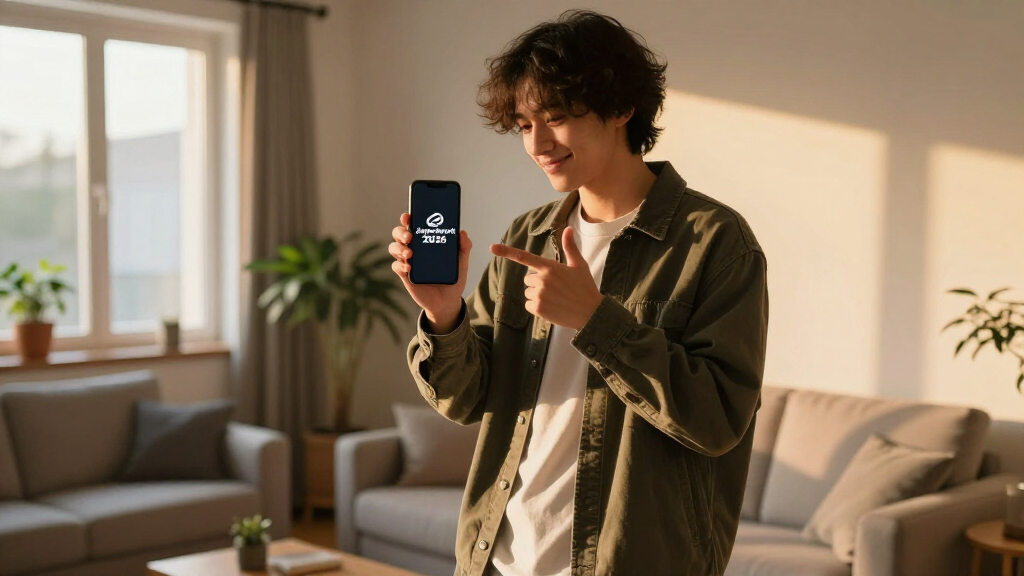
Germany’s official youth word for 2026 has been chosen via a public online vote. ‘Mimimi’ emerged as the winning term, reflecting ongoing language trends among youth. The decision underscores the importance of youth culture in language development.
Germany’s official youth word for 2026 has been revealed as ‘Mimimi’, following a nationwide online voting campaign organized by the German language institute, Langenscheidt. The result, confirmed by Langenscheidt representatives, highlights current slang and linguistic trends among German youth and emphasizes the ongoing influence of internet culture on language.
The voting process, which took place from late February to early March 2026, involved over 100,000 participants aged 14 to 19 across Germany. Participants could cast their votes via the official jugendwort.de platform, with the term ‘Mimimi’ receiving approximately 45% of the total votes, narrowly beating other finalists such as ‘Yolo’ and ‘Flex’.
According to Langenscheidt, the term ‘Mimimi’ is used to mock or dismiss complaints, often implying whining or unnecessary fuss, and has become popular among teenagers and young adults on social media platforms. The institute’s spokesperson, Dr. Anna Weber, stated that the choice reflects the playful, ironic, and expressive nature of youth language today.
Cultural Reflection and Language Trends in Youth
The selection of ‘Mimimi’ as Jugendwort 2026 demonstrates how young people shape and redefine language through digital communication. It highlights the importance of understanding youth culture for linguists, educators, and policymakers. The decision also indicates ongoing shifts in slang, with internet memes and social media slang becoming mainstream in everyday speech among German youth.
Moreover, the vote underscores the relevance of official recognition of youth language, which can influence broader language use and even media representation. Experts note that such terms often enter the general lexicon over time, affecting language evolution on a national scale.
German slang language learning book
As an affiliate, we earn on qualifying purchases.
As an affiliate, we earn on qualifying purchases.
Previous Jugendwörter and Their Cultural Significance
Germany has a tradition of annually selecting a Jugendwort, or youth word, since 1977, with past winners like ‘Chillen’ (relaxing), ‘Yolo’, and ‘Läuft’. These selections often mirror societal trends, technological changes, and youth attitudes. In recent years, social media and internet slang have increasingly influenced these choices, reflecting the digital age’s impact on language.
The 2026 vote follows a trend of recognizing terms that encapsulate current youth sentiments, with the process involving a public online poll that encourages participation from the younger demographic. The choice of ‘Mimimi’ continues this pattern, emphasizing humor, irony, and social commentary prevalent among teenagers today.
“‘The popularity of ‘Mimimi’ shows how internet memes influence everyday speech among young Germans.'”
— Johannes Müller, youth language researcher
Unclear if ‘Mimimi’ Will Persist as a Mainstream Term
It is not yet clear whether ‘Mimimi’ will maintain its popularity beyond the current year or if it will be replaced by new slang in future years. Language trends among youth are highly dynamic, and the longevity of such terms often depends on social and cultural factors that are still unfolding.
Next Steps in Monitoring Youth Language Trends
Langenscheidt and other linguistic institutions plan to continue tracking youth language trends through annual surveys and social media analysis. The next Jugendwort selection process is expected to begin in late 2026, with potential new terms emerging from ongoing digital and social media interactions among youth.
Key Questions
What does ‘Mimimi’ mean?
‘Mimimi’ is a slang term used to mock or dismiss complaints, implying whining or fussing, often used humorously among young people.
How is the Jugendwort chosen?
The Jugendwort is selected through an online voting process open to German youth aged 14-19, organized by linguistic institutions like Langenscheidt.
Why is the Jugendwort important?
The Jugendwort reflects current youth culture and language trends, influencing broader language use and media representation over time.
Will ‘Mimimi’ be used in formal contexts?
It is unlikely to be used in formal contexts, as it remains a slang term associated with informal, internet-based communication among youth.
Source: google-trends
NFL season / tailgating Picks
team gear
As an affiliate, we earn on qualifying purchases.