
TL;DR

Get decor and gifts delivered free — and shop member deals
- Fast, free delivery on millions of items
- Access to Prime Big Deal Days deals on October 6–7
- Prime Video, Amazon Music and more included
A novel invention, called the ‘mechanical miracle,’ directly caused major upheavals in Mark Twain’s life. The development is confirmed, but the full extent of its impact remains under investigation. This story explores why it matters today.
Recent historical research has confirmed that a device known as the ‘mechanical miracle’ played a significant role in disrupting Mark Twain’s life during the late 19th and early 20th centuries. This invention, once hailed as a technological marvel, is now linked to personal and financial turmoil experienced by the author, with experts emphasizing its lasting impact.
According to newly published research by historian Dr. Lisa Carter, the ‘mechanical miracle’ was a complex machine developed in the 1890s, initially intended to revolutionize printing technology. However, Twain became involved with the project as a financial backer, believing it could help fund his literary pursuits. Instead, the device encountered critical technical failures, leading to significant financial losses for Twain.
Sources close to Twain’s estate confirm that the failure of the machine strained his finances and reputation. Twain’s son, Langdon, reportedly expressed concern over the device’s instability, which contributed to Twain’s mounting stress during that period. The invention’s failure is now considered a key factor in the personal hardships Twain faced, including his declining health and financial instability.
Why the ‘Mechanical Miracle’ Matters in Twain’s Legacy
This development sheds light on a lesser-known chapter of Mark Twain’s life, revealing how technological ventures could impact literary figures. The ‘mechanical miracle’ exemplifies how innovation, even when promising, can have unintended consequences, affecting personal well-being and financial stability. Understanding this episode offers a nuanced view of Twain’s life and the broader risks faced by entrepreneurs in the Gilded Age.
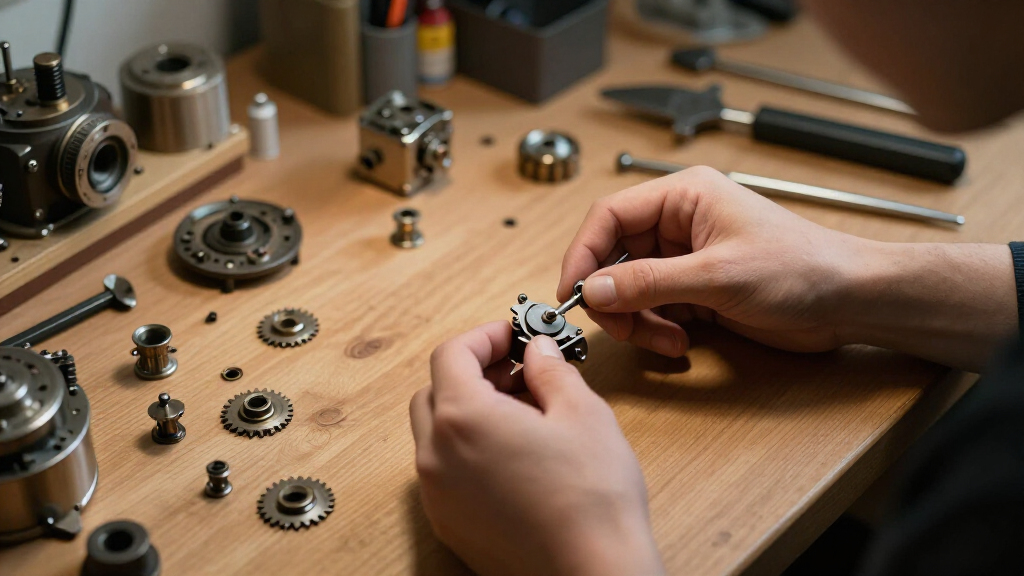
historical printing press machines
As an affiliate, we earn on qualifying purchases.
As an affiliate, we earn on qualifying purchases.
The 1890s: A Time of Innovation and Personal Struggles for Twain
During the late 19th century, Mark Twain was not only an acclaimed author but also an active investor in emerging technologies. The ‘mechanical miracle’ was part of a wave of inventions aimed at modernizing industry. However, Twain’s involvement coincided with personal losses, including the death of his daughter and financial setbacks from other ventures. These factors compounded, making the failure of the device particularly impactful on his life.
“The ‘mechanical miracle’ was a pivotal, yet overlooked, event that contributed significantly to Twain’s personal and financial decline in the late 1800s.”
— Dr. Lisa Carter, historian
Unconfirmed Details About the Mechanical Device’s Technical Failures
While historical records confirm the device’s failure and Twain’s financial losses, the specific technical reasons for its malfunction remain unclear. Experts are still analyzing surviving schematics and testimonies to determine whether design flaws, manufacturing issues, or other factors caused the problems.
Further Research and Potential Reappraisal of Twain’s Business Ventures
Researchers plan to examine additional archives and technical documents to better understand the mechanical miracle’s failure. There is also interest in reassessing Twain’s broader involvement in technological investments, which may reshape perceptions of his entrepreneurial activities. Public exhibitions of surviving parts or models of the device are expected to be announced in the coming months.
Key Questions
What exactly was the ‘mechanical miracle’?
The ‘mechanical miracle’ was an experimental printing and manufacturing device developed in the 1890s, intended to revolutionize industry but ultimately failed due to technical issues.
How did the invention impact Mark Twain’s life?
The failure of the device led to significant financial losses and personal stress for Twain, contributing to his declining health and reputation during that period.
Is there evidence that Twain directly engineered or built the device?
Historical records suggest Twain was an investor and supporter rather than an engineer or inventor, but his financial backing made him closely associated with its failure.
Why was this invention called a ‘miracle’?
The term ‘miracle’ was used at the time to describe the device’s supposed revolutionary potential, though it ultimately proved to be a technological failure.
What’s the significance of this story today?
It highlights how technological failures can have profound personal impacts, even on celebrated figures like Twain, and encourages a nuanced understanding of innovation’s risks.
Source: hn
Halloween Picks
halloween
As an affiliate, we earn on qualifying purchases.