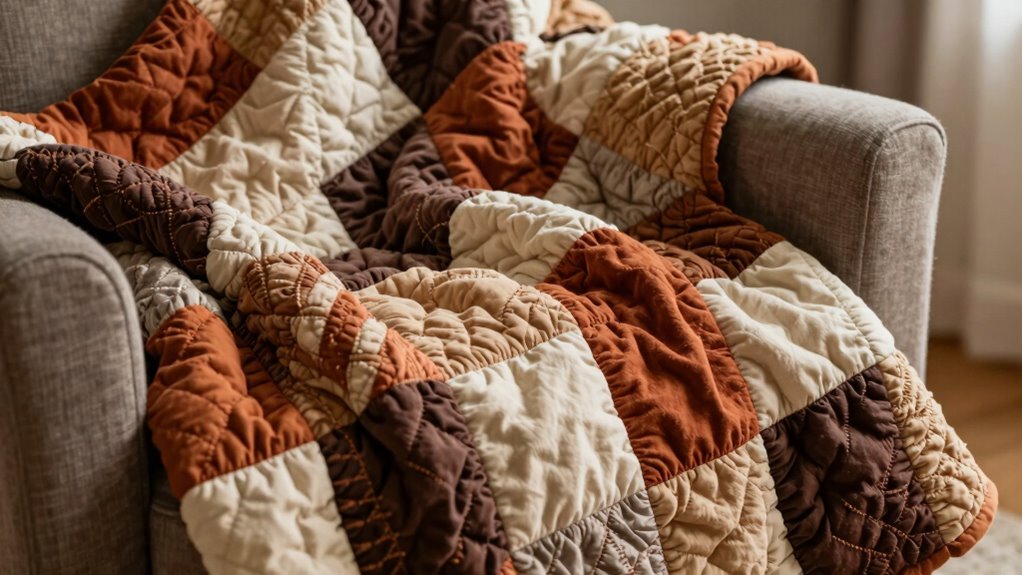

To enhance comfort in throws, quilts, and layers, you need to focus on choosing materials that balance thermal regulation and tactile feel. Soft, insulating fabrics like wool or down trap heat, while breathable options like cotton or linen prevent overheating. Proper layering ensures flexibility and moisture-wicking, keeping you cozy and dry. Combining these elements thoughtfully improves both warmth and sensory satisfaction. Keep exploring to discover how specific materials and techniques can tailor comfort exactly to your needs.

Get decor and gifts delivered free — and shop member deals
- Fast, free delivery on millions of items
- Access to Prime Big Deal Days deals on October 6–7
- Prime Video, Amazon Music and more included
Key Takeaways
- Material selection impacts thermal regulation by balancing insulation and breathability for optimal comfort.
- Soft, tactile fabrics enhance sensory comfort and create a cozy, soothing experience.
- Proper layering combines base, mid, and outer layers to maintain warmth and mobility.
- Textural elements like plush or fleece add tactile coziness and support relaxation.
- Understanding fabric properties ensures personalized comfort through effective material and layer choices.
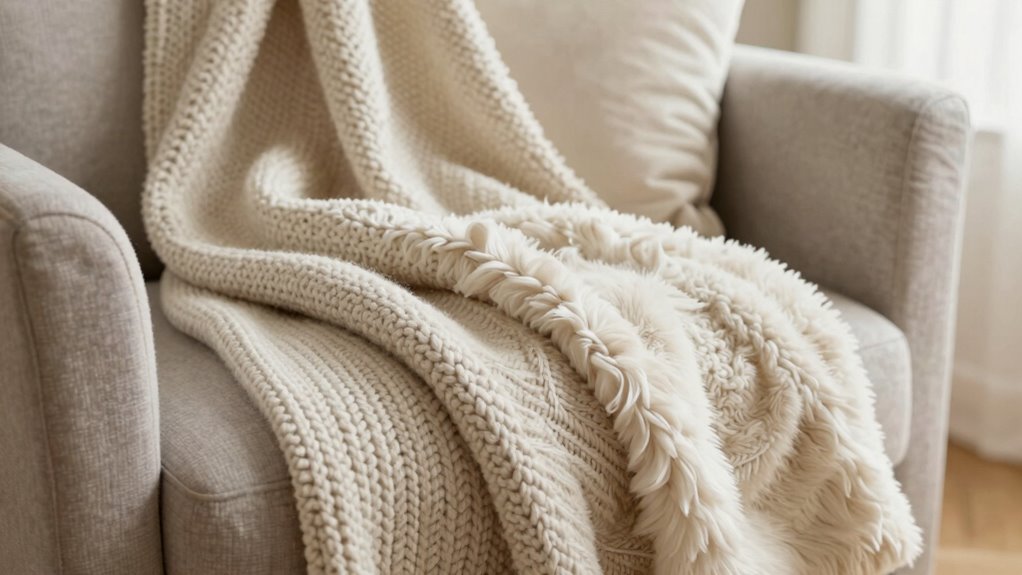
Understanding the science behind comfort can transform the way you choose throws, quilts, and layered clothing. At its core, comfort depends on how well your body maintains a stable internal temperature, a concept known as thermal regulation. When you select a throw or quilt, you’re essentially managing your body’s heat exchange with your environment. Materials that trap heat, like wool or down, help insulate you, keeping warmth close when it’s cold. Conversely, lighter fabrics like cotton or linen promote breathability, preventing overheating when it’s warmer. Knowing how different fabrics influence thermal regulation allows you to tailor your choices based on season, activity level, and personal preferences, ensuring you stay comfortably warm or cool without unnecessary discomfort.
Choosing fabrics wisely helps regulate body temperature for optimal comfort and well-being.
Sensory comfort plays an equally vital role in your overall feeling of coziness. It’s not just about temperature; it’s about how the material feels against your skin, how it drapes, and how it responds to your movements. Soft, smooth textures like fleece or velvet can enhance sensory comfort by creating a gentle, soothing touch, reducing sensory stress, especially for sensitive skin or those prone to discomfort. On the other hand, rough or coarse fabrics may cause irritation, disrupting your sense of well-being. When choosing layered clothing or bedding, pay attention to how each layer interacts with your skin and with other layers. The goal is to create a harmonious layering system that feels good and supports your body’s natural comfort signals. Incorporating fabrics with appropriate texture can significantly improve overall sensory comfort and satisfaction.
Layering is a practical application of thermal regulation and sensory comfort principles. You want to build layers that work together, providing insulation without restricting movement or causing discomfort. Base layers should be soft and breathable, while mid-layers offer insulation, and outer layers protect against environmental elements. Each layer influences how heat is retained or released, so understanding how different fabrics interact can help you optimize comfort. For example, moisture-wicking materials in base layers help keep you dry, which supports thermal regulation and prevents chills. Meanwhile, adding a plush throw or quilt on top adds sensory comfort by providing a cozy, tactile experience that reinforces your sense of security and relaxation. Additionally, understanding the material properties of fabrics can help you select items that enhance both thermal and sensory comfort more effectively. Choosing appropriate fabrics based on their properties ensures that your layered system functions optimally for comfort and well-being.
thermal insulating wool throw blanket
As an affiliate, we earn on qualifying purchases.
As an affiliate, we earn on qualifying purchases.
Frequently Asked Questions
How Does Fabric Type Influence Thermal Comfort?
Fabric type directly influences your thermal comfort by affecting insulation and breathability. Durable fabrics like heavy cotton or wool maintain warmth longer, while lighter materials offer breathability for warmer conditions. Thread count also matters—higher counts typically create a denser fabric, trapping more heat and enhancing comfort during cold weather. Choosing the right fabric based on durability and thread count helps regulate your body temperature, keeping you comfortable throughout the night.
What Role Does Moisture-Wicking Play in Comfort Layers?
Moisture-wicking plays a crucial role in comfort layers by enhancing breathability factors and moisture management. It pulls sweat away from your skin, helping you stay dry and comfortable. This prevents overheating and reduces discomfort caused by trapped moisture. By improving airflow and keeping moisture at bay, moisture-wicking fabrics guarantee you stay cozy without feeling clammy, making your layers more effective and your overall comfort much better.
Can Personal Preferences Outweigh Scientific Comfort Principles?
Your personal preferences are like a custom-made map, guiding your comfort choices despite scientific principles. While research shows moisture-wicking and material science matter, personal biases and subjective preferences can sometimes overshadow these facts. You might favor a softer quilt or a warmer throw, even if science suggests a different option. Ultimately, comfort is personal, and your unique biases shape what feels best, sometimes more than the scientific data itself.
How Do Different Filling Materials Affect Warmth and Coziness?
Different filling materials considerably impact warmth and coziness, so choose wisely. Natural fillings like down offer excellent insulation and plush comfort, but they can trigger filling allergies. Eco-friendly materials, such as recycled fibers or plant-based fillings, provide warmth while being sustainable. Synthetic options are allergy-friendly and maintain heat well, but may not feel as cozy. Your choice depends on prioritizing warmth, allergies, and eco-consciousness for the most comfortable, personalized layer.
What Are the Best Practices for Maintaining Comfort Over Time?
You can maintain comfort over time by regularly evaluating and adjusting your bedding and layers. Focus on ergonomic design to guarantee proper support and prevent discomfort. Incorporate sensory feedback by choosing materials that respond well to your touch, making every interaction soothing. Wash and care for your items properly, replacing worn-out pieces promptly. This proactive approach keeps your environment cozy, like a warm hug, and ensures lasting comfort every night.
Conclusion
So, next time you choose a throw or quilt, remember there’s real science behind comfort. The idea that layering keeps you warmer isn’t just a myth—it’s backed by heat retention principles. By understanding how insulation and fabric work together, you can pick pieces that truly enhance your comfort. Don’t just trust instinct—trust the science, and you’ll find layers that keep you cozy all year round.
Fall Picks
fall essentials
As an affiliate, we earn on qualifying purchases.