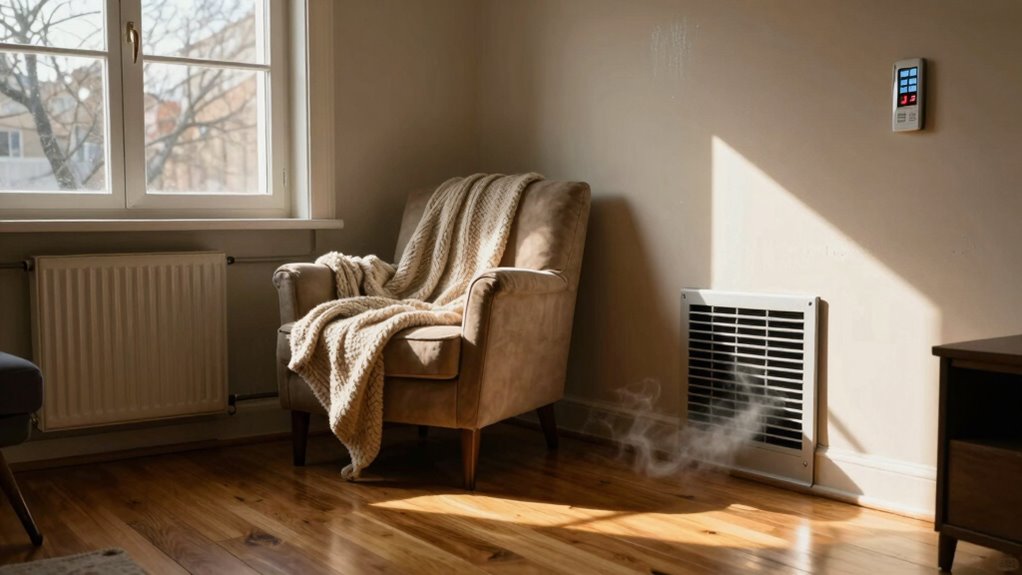

When your home experiences temperature swings, you quickly feel uncomfortable because your body struggles to adapt to changing warmth or coldness. These fluctuations cause moisture levels to spike or drop, which can lead to mold growth and dust mites, worsening air quality. Poorly maintained HVAC systems and inadequate insulation make these swings worse, forcing your system to work harder. Keep going to discover how proper insulation and HVAC efficiency can keep your home comfortable and healthy.

Get decor and gifts delivered free with Prime
- Fast, free delivery on millions of items
- Prime Video, Amazon Music and more included
- Member-only deals all year
Key Takeaways
- Rapid temperature changes cause body discomfort, such as chills or clamminess.
- Fluctuations increase moisture levels, promoting mold and dust mites that worsen comfort.
- Inconsistent temperatures strain HVAC systems, leading to uneven heating or cooling.
- Frequent temperature swings trigger HVAC cycling, causing drafts and unstable indoor conditions.
- Unstable indoor temperatures make it harder for the body to adapt, reducing overall comfort.

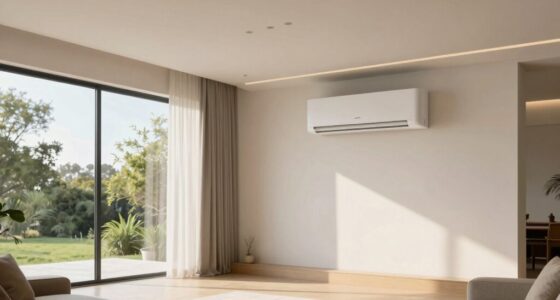
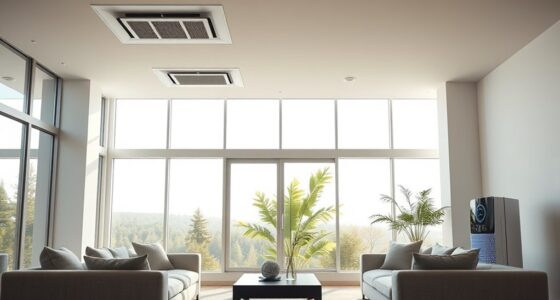
Temperature swings can markedly disrupt your home’s comfort, making it feel unpredictable and uncomfortable. When the temperature shifts suddenly, your body struggles to adapt, leading to feelings of clamminess, chills, or general discomfort. These rapid changes also impact your indoor air quality, as fluctuating temperatures can cause moisture levels to spike or drop unexpectedly. Excess moisture can lead to mold growth and dust mites, which not only worsen indoor air quality but also make your home less healthy and more difficult to breathe comfortably. Maintaining stable temperatures helps prevent these issues and ensures a healthier living environment. Additionally, HVAC system efficiency plays a crucial role in preventing temperature swings and maintaining indoor comfort. One major reason temperature swings occur is because of an inefficient HVAC system. If your system isn’t functioning properly, it can struggle to maintain a consistent temperature, leading to frequent cycles of heating and cooling. This inefficiency not only causes discomfort but also wastes energy, increasing your utility bills. When your HVAC system is operating at peak efficiency, it responds quickly to changes in temperature, keeping your home steady and comfortable. A well-maintained system also filters the air more effectively, removing allergens and pollutants that can compromise indoor air quality. This means fewer irritants in your indoor environment, and you’ll feel the difference in your overall comfort and health.
Temperature swings disrupt comfort and indoor air quality, promoting mold growth and making your home less healthy.
Temperature fluctuations also impact your home’s insulation effectiveness. Poor insulation allows warm or cold air to seep through walls, windows, and doors, making your HVAC system work harder to compensate for the loss. Proper insulation, combined with efficient HVAC systems, can significantly reduce these temperature inconsistencies by better managing airflow and maintaining consistent indoor conditions. Regularly inspecting and upgrading your insulation can make a noticeable difference in indoor climate control and energy efficiency. This constant effort strains your system, reduces its lifespan, and causes uneven heating or cooling across different rooms, which adds to the discomfort. When your HVAC system is running efficiently, it minimizes these temperature inconsistencies by better managing airflow and maintaining consistent indoor conditions. Proper insulation combined with a high-performing HVAC system creates a more stable environment, reducing the stress on your system and improving indoor air quality.
Inconsistent temperatures also influence your energy consumption. When your system cycles on and off more frequently due to inefficiency, it not only uses more energy but also causes more wear and tear. Over time, this can lead to costly repairs or replacements. Keeping your HVAC system in good shape ensures it runs smoothly and efficiently, maintaining steady indoor temperatures, which keeps your home more comfortable and your energy bills lower. Ultimately, understanding how temperature swings affect your indoor air quality and HVAC system efficiency highlights the importance of regular maintenance and proper insulation. It’s the key to creating a stable, healthy, and comfortable home environment.
As an affiliate, we earn on qualifying purchases.
Frequently Asked Questions
How Quickly Can Temperature Swings Affect Indoor Air Quality?
Temperature swings can impact indoor air quality within hours, especially if humidity control isn’t maintained. Rapid changes cause moisture levels to fluctuate, fostering mold growth and dust mites that worsen allergies or asthma. You might notice discomfort quickly, with stuffy air or odors intensifying. To keep air quality steady, manage temperature shifts and humidity levels consistently, ensuring your indoor environment remains healthy and comfortable, even during weather changes.
Do Temperature Fluctuations Impact Energy Bills Significantly?
Yes, temperature fluctuations can impact your energy bills substantially. When your home experiences frequent swings, your heating and cooling systems work harder to maintain a consistent temperature, reducing energy efficiency. This increased effort means higher energy consumption, leading to increased costs. By stabilizing indoor temperatures, you improve energy efficiency and achieve better cost savings, making your home more comfortable and economical in the long run.
Are Certain Home Materials More Susceptible to Temperature Swings?
Some home materials are more susceptible to temperature swings due to their inherent material sensitivity and thermal expansion properties. You’ll find that plastics, certain woods, and uninsulated metals tend to respond more dramatically to temperature fluctuations, causing discomfort and potential structural issues. To mitigate this, choose materials with stable thermal characteristics, and guarantee proper insulation to minimize the effects of thermal expansion, creating a more consistent and comfortable environment.
Can Temperature Swings Cause Long-Term Damage to Home Structures?
Yes, temperature swings can cause long-term damage to your home’s structure. When temperatures fluctuate rapidly, it stresses your home insulation and building materials, leading to cracks, warping, or even roof damage over time. These effects weaken your home’s structural integrity, making it less resilient against future weather changes. To protect your home, guarantee proper insulation and regular maintenance, helping to minimize the impact of temperature swings.
What Is the Most Effective Way to Prevent Rapid Temperature Changes?
To prevent rapid temperature changes, you must maximize insulation effectiveness and adopt smart ventilation strategies. Think of insulation as a fortress, keeping your home’s temperature steady against wild swings, while ventilation acts like a cool breeze that balances indoor air. Seal leaks around windows and doors, upgrade to high-quality insulation, and guarantee proper airflow. These steps create a stable environment that shields you from sudden temperature shifts, making your home consistently comfortable.
Conclusion
To keep your home cozy and avoid those pesky temperature swings, stay vigilant and maintain your heating and cooling systems. Think of it like a trusty steed — if you neglect it, it won’t serve you well. Don’t let your comfort hang by a thread, or you’ll be caught in a whirlwind of discomfort faster than a knight in shining armor. Keep things steady, and your home will feel as welcoming as a tavern on a stormy night.
Halloween Picks
halloween
As an affiliate, we earn on qualifying purchases.