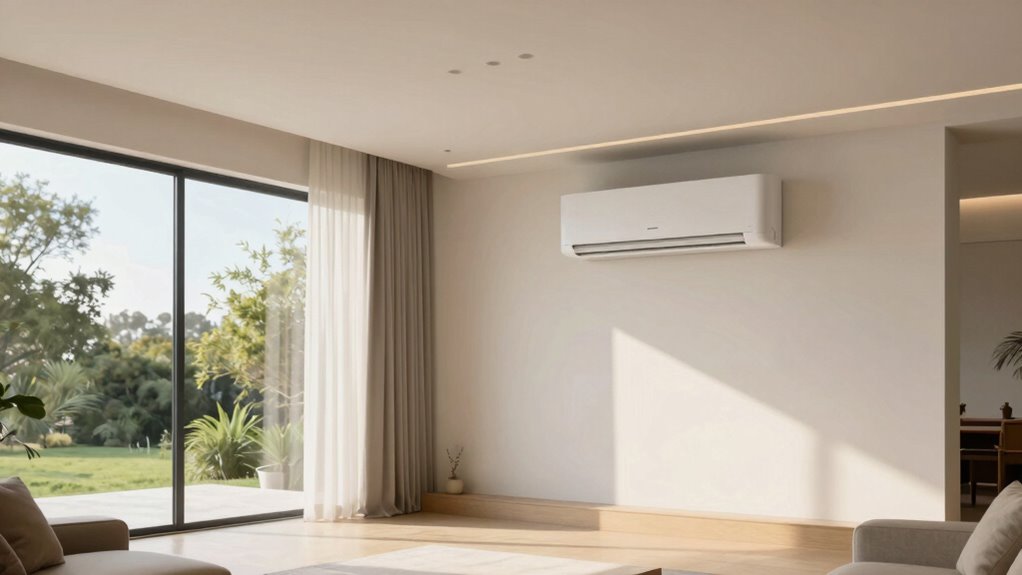

Choosing the right mini split isn’t just about matching it to your room’s size. Energy efficiency, installation complexity, and your home’s infrastructure matter just as much. A bigger unit isn’t always better if it’s inefficient or hard to install. Sometimes, a smaller, well-rated unit saves you more money overall. If you want to make the smartest choice, considering all these factors will lead to better comfort and savings—there’s more to learn if you keep exploring.

Get decor and gifts delivered free — and shop member deals
- Fast, free delivery on millions of items
- Access to Prime Big Deal Days deals on October 6–7
- Prime Video, Amazon Music and more included
Key Takeaways
- Energy efficiency ratings (SEER, HSPF) influence operational costs, not just room size.
- Installation complexity and home infrastructure impact overall costs regardless of unit size.
- Larger units aren’t always more efficient; smaller, well-rated models can perform better.
- Installation costs vary based on setup difficulty, affecting total expenses beyond square footage.
- Considering both purchase and installation costs ensures a cost-effective, suitable mini split choice.
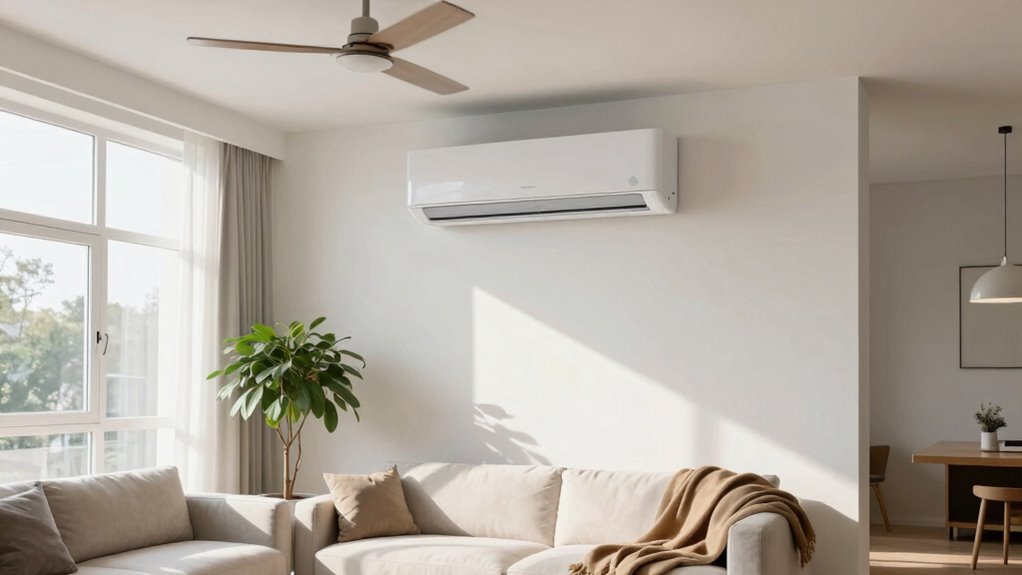
Are you overwhelmed by the variety of mini split options available? With so many models and features, it’s easy to assume that size alone determines the right choice. But that’s not entirely true. When selecting a mini split, factors like energy efficiency and installation costs play just as crucial a role as square footage. You need to look beyond just the size of your space to find the system that truly fits your needs. Additionally, understanding key performance factors can help you make a more informed decision. Energy efficiency is a major consideration. A larger mini split isn’t always better if it’s not energy-efficient; it might run more frequently or struggle to maintain a consistent temperature, leading to higher energy bills. Conversely, a smaller, well-rated unit can provide more reliable cooling or heating without skyrocketing your utility costs. Pay attention to the unit’s SEER (Seasonal Energy Efficiency Ratio) and HSPF (Heating Seasonal Performance Factor) ratings. Choosing a model with higher ratings means you’ll save money over time because it consumes less power to do the same work. This is especially important if you’re trying to lower your energy footprint or reduce monthly bills. Properly assessing your home’s infrastructure can also ensure a smoother installation process and prevent unexpected expenses. Installation costs are another critical aspect that depends on more than just the size of your space. Even if your room is small, complex installations—like difficult wall placements, inadequate electrical wiring, or the need for additional ductwork—can drive up expenses. Larger units might require more extensive installation, but sometimes smaller units need specialized mounting or additional components to optimize performance. It’s essential to evaluate your home’s existing infrastructure and consult professionals to understand what installation truly entails. Remember, a unit with a low purchase price but high installation costs can end up costing you more than a slightly pricier, easier-to-install model.
mini split energy efficiency ratings
As an affiliate, we earn on qualifying purchases.
As an affiliate, we earn on qualifying purchases.
Frequently Asked Questions
How Does Ceiling Height Affect Mini Split Sizing?
Ceiling height substantially impacts mini split sizing because taller ceilings alter airflow dynamics, requiring more cooling or heating capacity. When ceilings are high, warm air rises, making it harder for the system to evenly regulate temperature. You should choose a unit with greater capacity to handle this, ensuring efficient airflow and comfort. Properly accounting for ceiling height helps your mini split perform at its best and prevents inefficiencies.
What Are the Noise Levels Associated With Different Mini Split Units?
Did you know some mini split outdoor units operate at just 50 decibels? Outdoor unit noise varies, but many operate quietly enough to be barely noticeable. Indoor sound levels are often even lower, with many units emitting around 20-30 decibels—comparable to a whisper. This means you can enjoy comfortable temperatures without disruptive noise, making mini splits ideal for bedrooms, offices, or cozy living spaces.
How Important Is Energy Efficiency in Choosing a Mini Split?
Energy efficiency is essential when choosing a mini split because it directly impacts your energy savings and long-term costs. An efficient unit uses less power, lowering your utility bills and reducing environmental impact. Although it might cost more upfront, the savings over time make it a smart investment. Prioritize units with high SEER ratings to maximize efficiency and minimize your overall cost implications.
Can Mini Splits Be Used in Multi-Zone Configurations?
Yes, mini splits can be used in multi-zone configurations, offering ductless compatibility and flexible zone control options. You can install multiple indoor units connected to a single outdoor compressor, allowing you to tailor temperature settings in different areas. This setup enhances energy efficiency and comfort, giving you control over each zone’s climate. Just make certain your system supports multi-zone capabilities, and you choose compatible indoor units for seamless operation.
What Maintenance Is Required for Optimal Mini Split Performance?
Did you know that regular maintenance can extend your mini split’s lifespan by up to 50%? To keep it running efficiently, you should clean or replace filters monthly, make sure outdoor units stay clear of debris, and schedule professional inspections annually. Ductless advantages include easier installation considerations and less energy loss. Proper upkeep guarantees peak performance, saves money, and maintains comfort in your space year-round.
Conclusion
Remember, when choosing a mini split, size isn’t everything—consider your space’s unique needs, insulation, and usage patterns. A perfectly fitted system guarantees comfort without wasting energy or money. As the saying goes, “Measure twice, cut once.” Taking the time to evaluate all factors ensures you pick the right mini split for your home, providing efficient cooling and heating tailored to your lifestyle. Don’t rush the process; the right choice makes all the difference.
Evergreen bestsellers Picks
bestsellers
As an affiliate, we earn on qualifying purchases.