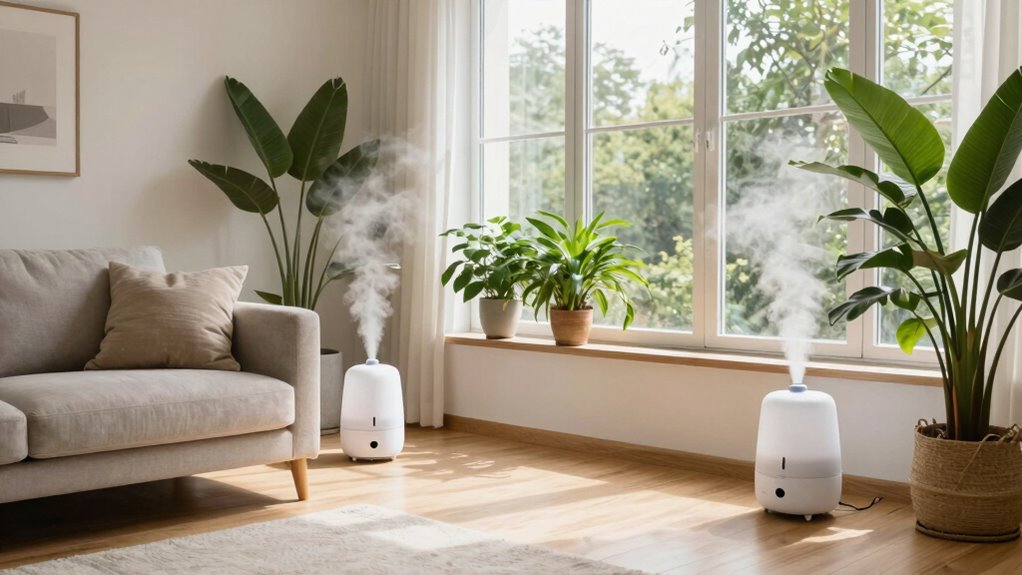

Whole-home humidity control offers hidden benefits like improved indoor air quality, reducing allergens, mold, and dust mites that can make you sick. It also boosts your comfort by preventing dry skin and respiratory issues, while protecting your home’s structure from damage caused by excess moisture or dryness. Additionally, it helps your HVAC work more efficiently, saving energy and lowering bills. If you want to discover how this can transform your home environment, there’s more to explore below.

Get decor and gifts delivered free — and shop member deals
- Fast, free delivery on millions of items
- Access to Prime Big Deal Days deals on October 6–7
- Prime Video, Amazon Music and more included
Key Takeaways
- Whole-home humidity control improves indoor air quality by reducing mold, allergens, and airborne irritants.
- It enhances comfort by maintaining balanced humidity levels, preventing dry skin and respiratory issues.
- Proper humidity prevents structural damage like warping, cracking, and condensation buildup.
- It boosts energy efficiency by reducing HVAC workload and allowing lower thermostat settings.
- Long-term, it extends HVAC system lifespan and reduces home maintenance costs.
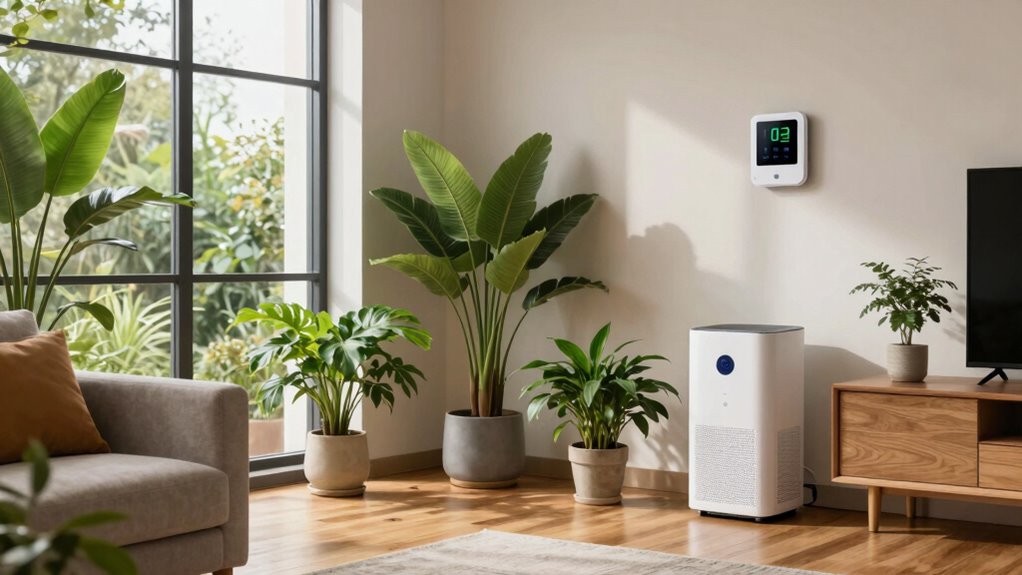
Have you ever noticed how uncomfortable your home feels during seasonal changes? One day, it’s humid and sticky; the next, it’s dry and stuffy. These fluctuations can make your home environment less pleasant and even impact your health. That’s where whole-home humidity control comes in, offering a hidden benefit that many homeowners overlook—improving indoor air quality while boosting energy efficiency. When you manage humidity levels effectively, you create a more balanced atmosphere that’s healthier and more comfortable year-round.
Controlling humidity isn’t just about comfort; it directly influences indoor air quality. Excess moisture can foster mold growth, dust mites, and other allergens, aggravating respiratory issues and allergies. Conversely, overly dry air can cause irritation, dry skin, and respiratory discomfort. Whole-home humidity systems help maintain ideal moisture levels, reducing these health risks and creating cleaner, healthier air your family can breathe easily. This balanced environment minimizes the presence of airborne irritants and allergens, resulting in fewer sick days and better overall well-being. Maintaining proper humidity also helps prevent the buildup of airborne irritants, which can significantly improve the overall air quality in your home. Additionally, controlling humidity levels can help prevent structural issues such as warping or cracking caused by excessive moisture or dryness. Proper humidity control can also contribute to energy efficiency, reducing the workload on your HVAC systems.
Maintaining optimal humidity reduces allergens and respiratory issues, creating healthier, cleaner indoor air for your family.
Beyond health benefits, proper humidity control considerably enhances energy efficiency in your home. When humidity levels are well-maintained, your heating and cooling systems don’t have to work as hard. For example, during winter, dry air makes you feel colder, prompting you to crank up the thermostat, which wastes energy. With humidity control, your home feels warmer at lower temperatures, cutting energy bills and reducing your carbon footprint. Similarly, in summer, managing humidity prevents the air from feeling sticky and oppressive, allowing your AC to operate more effectively and efficiently. This means less wear and tear on your HVAC system and lower utility costs over time. Proper humidity regulation can also help reduce energy consumption, which is beneficial for both your wallet and the environment.
Implementing whole-home humidity control is a smart investment that pays off in many ways. It creates a more stable indoor environment, reducing the strain on your heating and cooling systems and extending their lifespan. You’ll notice fewer drafts, less condensation, and a more consistent temperature throughout your home. Additionally, improved indoor air quality means less dust, mold, and bacteria circulating, making your home safer and more comfortable. You’re not just controlling humidity; you’re taking a step toward a healthier, more energy-efficient living space.
whole-home humidity control system
As an affiliate, we earn on qualifying purchases.
As an affiliate, we earn on qualifying purchases.
Frequently Asked Questions
How Much Does Whole-Home Humidity Control Cost to Install?
You’ll typically spend between $600 and $2,000 for whole-home humidity control installation, depending on your home’s size and the system type. The cost comparison shows that integrated systems might be pricier but offer better efficiency. The installation process involves evaluating your current HVAC setup, installing a humidifier or dehumidifier, and integrating it with your existing system. Expect professional installation for ideal results and to guarantee proper setup.
Can Humidity Control Help Reduce Household Allergies?
Yes, humidity control can considerably reduce household allergies. By maintaining ideal moisture levels, you help prevent mold growth, which is a common allergen. Additionally, proper humidity levels can reduce dust mites and airborne mold spores, providing allergy relief. You’ll notice fewer allergy symptoms and a healthier indoor environment. Investing in whole-home humidity control not only improves comfort but also helps you breathe easier and minimizes allergy triggers.
Does Humidity Regulation Impact Indoor Air Quality?
Maintaining proper humidity levels gently improves your indoor air quality by reducing airborne pollutants and mold growth. When you regulate humidity, you help keep dust, pollen, and other irritants in check, making the air feel fresher and healthier. This subtle balance prevents excess moisture that fosters mold and bacteria, creating a more comfortable environment. You’ll notice clearer breathing and a more inviting space, all through simple, mindful humidity control.
How Often Should I Service My Humidity Control System?
You should service your humidity control system at least once a year. Regular maintenance tips include checking humidity sensors for accuracy, cleaning or replacing filters, and inspecting for dust or mold buildup. Proper servicing guarantees your system runs efficiently and maintains ideal indoor humidity levels. Keep an eye on sensor performance, and schedule professional checkups if you notice inconsistent humidity or system issues to prevent costly repairs and improve air quality.
Is Whole-Home Humidity Control Energy-Efficient?
Yes, whole-home humidity control is energy-efficient because it reduces your energy savings by maintaining ideal moisture levels, which allows your HVAC system to work less and save energy. Additionally, controlling humidity helps extend your equipment lifespan by preventing moisture-related damage and wear. This means you not only save on energy bills but also enjoy longer-lasting equipment, making whole-home humidity control a smart, cost-effective choice.
Conclusion
Imagine your home as a delicate garden—without proper humidity, your plants wilt, and your oasis fades. Installing whole-home humidity control is like nurturing that garden, ensuring every leaf and petal thrives. Did you know that maintaining ideal humidity can reduce respiratory issues by up to 50%? When you embrace this unseen benefit, you’re not just protecting your home’s comfort—you’re cultivating a healthier, happier life for everyone inside.
Fall Picks
fall essentials
As an affiliate, we earn on qualifying purchases.