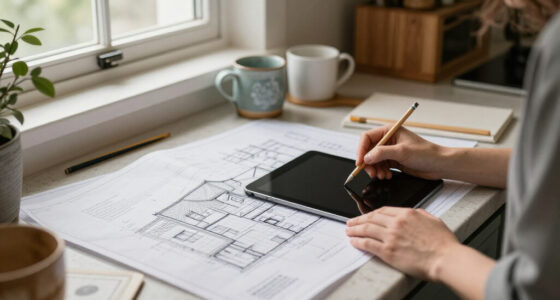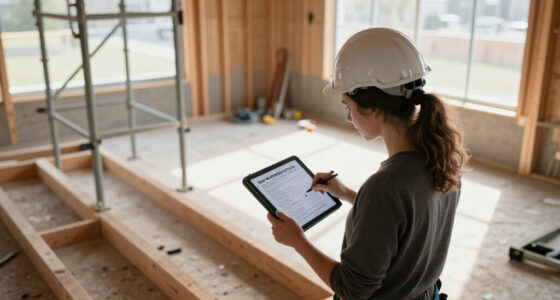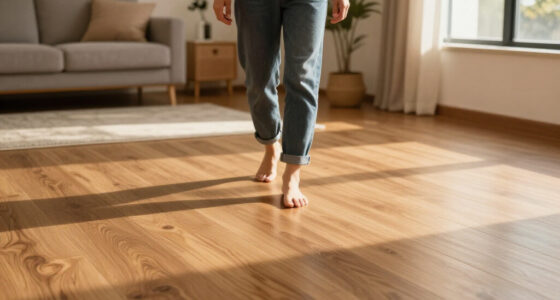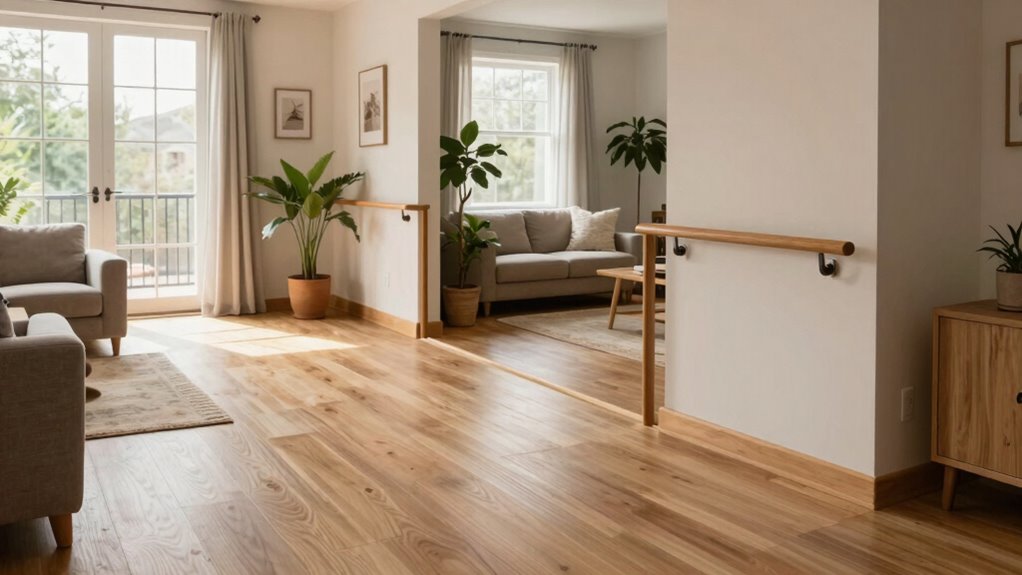

The better way to think about home renovation for aging is to focus on creating a safe, adaptable space that supports your independence and comfort. Use smart technology like voice assistants and sensors to enhance control and safety. Incorporate accessible features such as wide doorways, non-slip floors, and easy-to-use fixtures. Combine these with sustainable choices to benefit both the environment and your home’s future. Stay tuned to discover how these strategies can transform your living space for the long term.

Get decor and gifts delivered free with Prime
- Fast, free delivery on millions of items
- Prime Video, Amazon Music and more included
- Member-only deals all year
Key Takeaways
- Prioritize proactive, adaptable designs that evolve with changing mobility and health needs.
- Integrate smart technology to enhance safety, independence, and ease of daily routines.
- Incorporate universal and accessible design principles for long-term usability.
- Emphasize sustainability and eco-friendly choices for a healthier environment.
- View renovation as an investment in safety, well-being, and continued quality of life.
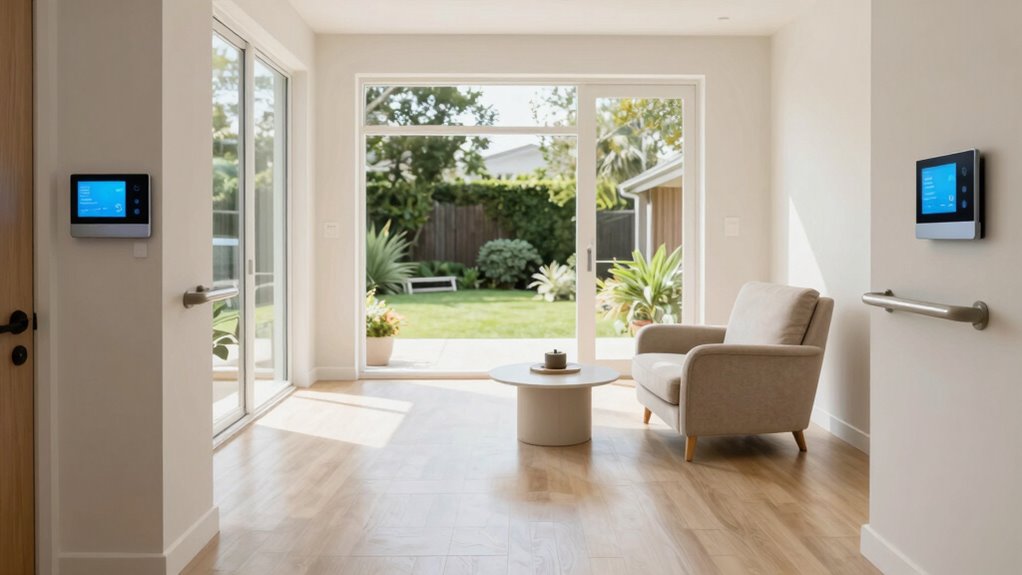
Are you considering home renovations to make your space more comfortable and accessible as you age? If so, you’re already on the right track to creating a safer, more functional environment that supports your independence. Instead of viewing renovation as a series of isolated upgrades, think of it as an opportunity to incorporate smart technology and accessible design into your home. These elements work together to enhance safety, convenience, and overall quality of life, making aging in place a practical and enjoyable choice.
Smart technology plays a vital role in modern home renovations for aging. With devices like voice-activated assistants, automated lighting, and smart thermostats, you gain greater control over your environment with just a few simple commands. These tools can help you manage daily tasks more easily, reduce the risk of accidents, and improve energy efficiency. For example, motion sensors can automatically turn on lights when you enter a room, reducing the chance of falls or injuries. Smart locks and security cameras provide peace of mind when you’re home or away, making it easier to monitor your property without hassle. These innovations aren’t just about convenience—they’re about empowering you to stay independent, safe, and connected.
Accessible design is equally important in your renovation plans. It means creating a space that’s easy to navigate and use, regardless of your mobility or health changes. Think wider doorways and hallways to accommodate mobility aids, low-threshold showers, and lever-style door handles instead of knobs. These modifications eliminate barriers and make everyday activities smoother. Incorporating non-slip flooring, adjustable countertop heights, and good lighting also enhances safety and comfort. Having an understanding of biodiversity and sustainable living practices can also inspire eco-friendly choices that benefit both your home and the environment. Additionally, integrating accessible features into your design ensures your home remains adaptable and functional as your needs evolve over time. Incorporating universal design principles can further enhance the usability and aesthetic appeal of your space, making it welcoming for everyone. Implementing these features thoughtfully can also promote long-term sustainability, benefiting both your home and the planet. Accessible design isn’t about making your home look clinical; it’s about seamlessly integrating features that support your needs without sacrificing style. It’s about making your space adaptable for the long term, so you don’t have to move as your needs change.
When you combine smart technology with accessible design, you create a home that’s proactive rather than reactive to aging. Instead of waiting for problems to arise, you prevent many issues beforehand, ensuring your home remains a safe haven. This approach emphasizes a mindset shift—view your renovation as an investment in your independence and well-being. It’s about designing a space that evolves with you, reducing stress and making everyday living more manageable. Ultimately, this better way of thinking about home renovation aligns safety, convenience, and technology into a cohesive plan that supports your aging journey with confidence and comfort.
As an affiliate, we earn on qualifying purchases.
Frequently Asked Questions
How Do I Prioritize Renovation Projects for Aging in Place?
You should prioritize renovation projects that incorporate universal design and safety enhancements first. Focus on widening doorways, installing grab bars, and improving lighting to make your home more accessible and safe. Address any structural issues or trip hazards early. This approach allows you to create a comfortable, adaptable space that supports aging in place, ensuring safety and independence as your needs evolve.
What Are Cost-Effective Ways to Upgrade My Home for Aging Needs?
To upgrade your home cost-effectively for aging, start with smart technology like automated lighting, thermostats, and voice-activated assistants, which enhance safety and convenience. Use eco-friendly materials such as low-VOC paints, sustainable flooring, and energy-efficient windows to save money long-term. Focus on simple modifications like grab bars and improved lighting, which are affordable and improve accessibility. These strategies help you create a safer, more comfortable environment without breaking the bank.
How Can I Ensure My Home Remains Stylish While Being Accessible?
You can keep your home stylish while ensuring accessibility by blending smart decor with timeless style. Choose sleek, modern fixtures that double as functional features, like minimalist grab bars or chic, non-slip flooring. Use neutral, classic colors and high-quality materials to create a timeless aesthetic. Incorporate statement pieces that reflect your personality, and opt for smart decor solutions that seamlessly enhance both safety and style, making your space inviting and accessible.
Are There Specific Building Codes for Aging-In-Place Renovations?
Yes, there are specific building codes and safety regulations you should follow for aging-in-place renovations. These codes guarantee your home remains safe, accessible, and compliant with local laws. You need to check with your city or state building department, as requirements can vary. Adhering to these standards helps prevent hazards, ensures proper installation of features like grab bars and ramps, and guarantees your renovation supports safe, independent living.
How Long Does a Typical Home Renovation for Aging Take?
A home renovation for aging typically takes anywhere from a few weeks to a couple of months, depending on the scope. You’ll want to focus on integrating smart home technology and safety features, like grab bars and non-slip flooring, to create a secure, accessible space. Think of it as tuning up a trusty car—each upgrade makes your home safer and more responsive to your needs, ensuring comfort and peace of mind.
Conclusion
As you plan your home renovation, remember that over 87% of seniors want to age in place comfortably. Making thoughtful modifications now can guarantee safety and independence for years to come. By prioritizing accessible features and smart design, you create a space that adapts to your changing needs. It’s not just about renovation; it’s about investing in your future, so you can enjoy your home safely and confidently as you age.
Halloween Picks
halloween
As an affiliate, we earn on qualifying purchases.