TL;DR

Get decor and gifts delivered free with Prime
- Fast, free delivery on millions of items
- Prime Video, Amazon Music and more included
- Member-only deals all year
Apartment Therapy writer Trisha Sprouse tested spraying a light coating of WD-40 around outdoor window frames after removing webs and cleaning the windows. She reported no new webs after a week and still none a month later, but this is one homeowner’s experience, not evidence that the method works for everyone or lasts a year.
Apartment Therapy writer Trisha Sprouse says a light coating of WD-40 around her outdoor window frames kept spider webs from returning for a month in a test at her Florida home. The result is an individual household experience, not a controlled test, so it does not establish that the spray will repel spiders reliably or keep windows web-free for a year.
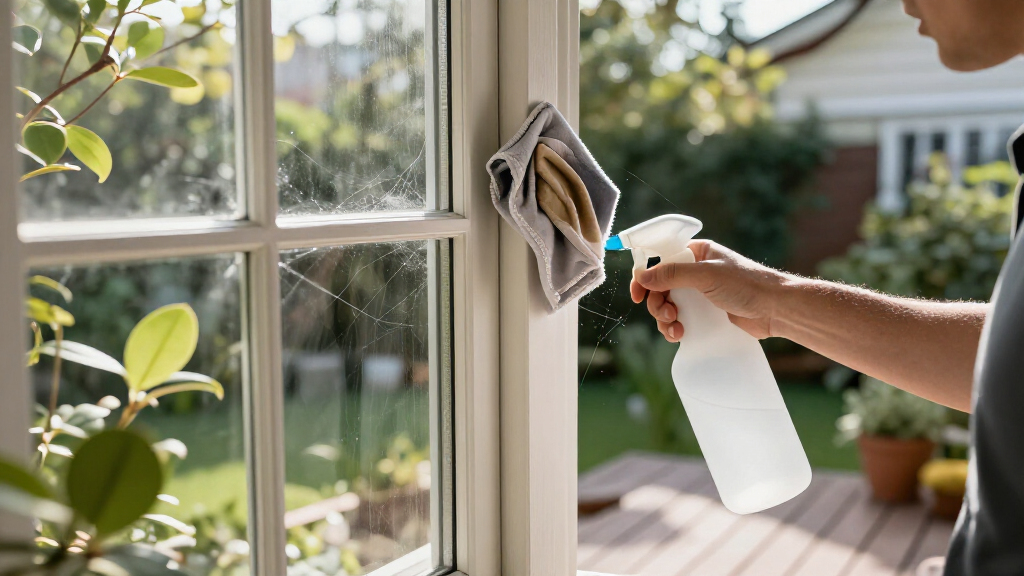
Sprouse wrote that spiders repeatedly built webs in the corners of her exterior window panes, despite her clearing the webs and cleaning the windows. She tried the WD-40 method after removing existing webs and washing the windows. She sprayed a light coating around the frame perimeter, starting at the sill and continuing along the sides and top, then let the product dry.
She also applied a small amount in the corners where she had seen spiders gather, while trying to keep the spray off the glass so it would not look greasy. Sprouse reported seeing no new webs after one week and none after a month. Those observations describe what happened at her home during that period; the report does not include a comparison group or testing across different homes, weather conditions or spider species.
The article suggests the product’s lubricating properties may leave a surface that is difficult for spiders to use for web-building, and speculates that its odor could also deter them. Those explanations are presented as the writer’s understanding, not as results from a scientific test cited in the report. The article also says the treatment may repel other insects and discourage bees or wasps from nesting, but it provides no separate test results for those claims.
A One-Month Result, Not a Guarantee
Recurring webs can mean repeated cleaning for homeowners, particularly around window corners and frames. Sprouse’s account offers a simple method she found effective for one month at her property, giving readers a practical idea to weigh against the effort of ongoing cleanup.
But the headline’s promise that the hack works “for good” is not supported by the reported test period. A month without visible webs does not show how long the coating lasts, whether it works on other homes or whether it affects other insects as claimed. Readers should treat the result as anecdotal rather than a proven pest-control solution.
As an affiliate, we earn on qualifying purchases.
How the Window Test Was Done
The report focuses on an older home in Florida, where Sprouse says spiders returned to her outdoor windows within days of routine web removal and cleaning. Her test involved clearing the existing webs, cleaning the windows, applying WD-40 around the frames and checking for new webs over time.
That sequence matters: the reported outcome followed both cleaning and spraying, and the article does not compare the treatment with cleaning alone. It also does not specify the product formulation, the amount used, or whether the same results would apply to different window materials and finishes. The writer says rain fell during the month and that the coating appeared to hold up, but this remains an observation from one home and one month of follow-up.
““I was skeptical if this hack would work at all.””
— Trisha Sprouse, Apartment Therapy writer
How Long the Effect May Last
The article does not establish whether the treatment works beyond Sprouse’s one-month observation, how often it would need to be reapplied, or whether it would produce the same result in other climates and homes. Although the writer says she understands the coating may last up to a year and reports that it remained after several heavy rains, the source provides no independent evidence for that duration.
It is also unclear whether the spray itself, the preceding cleaning, seasonal changes or other factors contributed to the absence of webs. The article does not report testing on multiple window surfaces or provide product-specific guidance about use near seals, painted finishes, plants, pets or other areas. Its claims about deterring other insects and preventing bee or wasp nests are not backed by test results in the report.
Check Product Guidance Before Use
The report describes one writer’s experience and does not announce further testing or a follow-up schedule. Anyone considering the method should read the product label and follow its directions, including any warnings about where to apply it. Sprouse’s approach was to keep the spray off the glass and use a light coating around the frame, but the article does not confirm that this is suitable for every window material.
For now, the practical next step is to treat the result as an individual experiment rather than a lasting fix: remove existing webs, note the conditions, and monitor whether they return. Any claim that the coating lasts a year or repels other pests would need evidence beyond the single month reported here.
Key Questions
What did the Apartment Therapy writer try?
Trisha Sprouse removed existing webs, cleaned the outdoor windows and sprayed a light coating of WD-40 around the frames. She tried to avoid getting it on the glass, then let it dry.
How long did she report that the windows stayed clear?
Sprouse said she saw no new webs after a week and still none after one month. The report does not establish how long the effect lasts beyond that observation.
Is the method proven to work for everyone?
No. The report describes one homeowner’s experience and does not include controlled testing or results from other households.
Does the report prove WD-40 lasts a year or repels other pests?
No. The writer speculates that the coating may last up to a year and may deter other insects, but the article provides no independent or separate test results to confirm those claims.
Source: rss
Fall Picks
fall essentials
As an affiliate, we earn on qualifying purchases.